
The Purpose of Building Maintenance
Imagine walking into your favorite local library only to find the roof leaking and the floors covered in deep, muddy puddles. You would immediately realize that the building has been ignored for a long time, making it unsafe and unpleasant for everyone who visits. Proper upkeep is the invisible shield that protects every structure from the slow, steady decay caused by weather, daily usage, and the simple passage of time. Without this constant care, even the most impressive architectural designs will eventually crumble into unusable spaces that cost far more to replace than to maintain.
The Financial Logic of Structural Care
Building owners often view maintenance as a burdensome expense rather than a vital investment in the future of their property. Think of your building like a high-end car that requires regular oil changes and tire rotations to keep the engine running smoothly. If you skip these routine tasks, you might save money today, but you will eventually face a massive repair bill that far exceeds the initial cost of basic service. Consistent upkeep keeps the property value high and prevents small, manageable issues from spiraling into catastrophic failures that threaten the safety of occupants.
Key term: Preventive maintenance — the systematic practice of inspecting and repairing building components before they break to ensure continuous operation.
When we focus on preventive maintenance, we shift our strategy from reacting to emergencies to planning for long-term durability. This approach allows building managers to budget for repairs in advance, avoiding the high costs associated with sudden, emergency service calls during off-hours. By tracking the health of systems like plumbing, electrical grids, and roof integrity, we ensure that the building remains a reliable asset for its owners and a safe environment for its daily users. Efficiency is not just about saving energy but also about maximizing the operational lifespan of every structural element.
Establishing Standards for Longevity
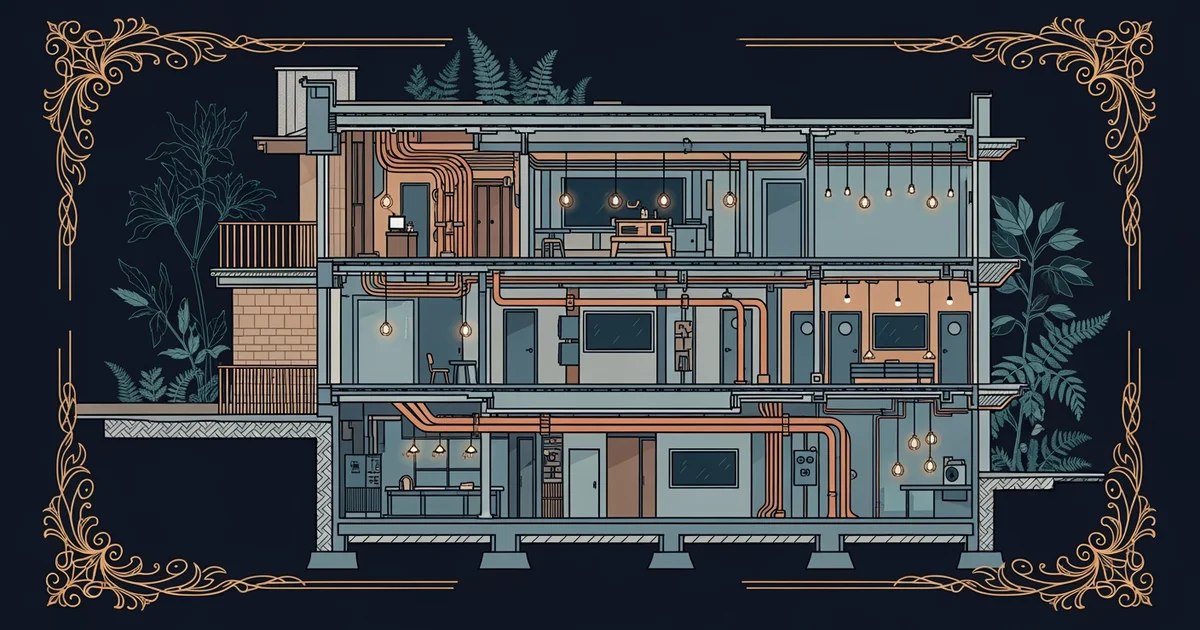
Maintaining a complex building requires a clear understanding of how different systems interact to support the overall structure. A building is not just a collection of walls and windows but an interconnected machine that needs balance to function correctly. We must monitor these systems to ensure they meet modern needs while preserving the original design intent of the architect. The following table highlights common systems that require regular attention to remain functional and safe for the public:
| System Type | Primary Component | Maintenance Goal | Frequency |
|---|---|---|---|
| Mechanical | HVAC Units | Air quality flow | Quarterly |
| Structural | Roof Membranes | Water leak prevention | Bi-annually |
| Electrical | Circuit Panels | Fire risk reduction | Annually |
| Plumbing | Pipe Networks | Corrosion control | Annually |
By following a structured plan, facility managers can prioritize tasks based on the potential risk to the building or its occupants. This systematic approach ensures that nothing is overlooked during the busy cycles of operation. It transforms the chaotic nature of repairs into a predictable schedule that keeps the building running at peak performance. When we invest in these small, regular checkups, we protect the structural integrity of the entire property for decades to come.
Ultimately, the goal of maintenance is to create a seamless experience where the building works so well that the users never even have to think about it. If the lights stay on, the air remains fresh, and the structure feels solid, then the maintenance team has succeeded in their mission. This level of care is the foundation of all successful architecture, ensuring that our shared spaces remain vibrant and functional for future generations to enjoy as much as we do today. By mastering these foundational concepts, you will gain the skills needed to manage any large-scale structure with confidence and precision.
Maintenance serves as the essential process of preserving structural integrity and value by addressing wear before it forces a total system failure.
By understanding these basic goals, we now move toward the specific safety standards and legal regulations that govern how we keep our buildings secure for everyone.