
Preventive Maintenance Strategies
Imagine your car engine suddenly stops during a long drive because you ignored the oil light for months. Buildings function exactly like that engine, requiring constant care to avoid total system failures that cost thousands. Preventive maintenance strategies act as the regular oil changes for your building, ensuring that every component stays healthy and efficient over time. By performing small tasks on a set schedule, you stop minor wear from turning into a massive, expensive crisis that stops operations. This proactive approach keeps the building safe and functional while saving money that would otherwise go toward emergency repairs.
The Logic of Proactive System Care
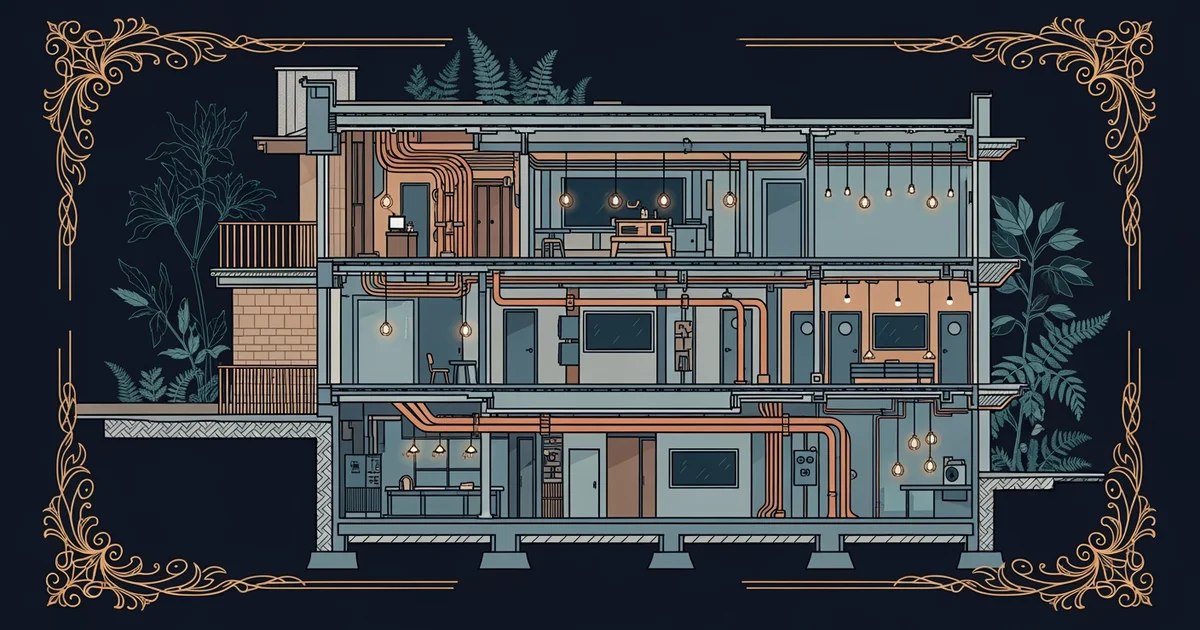
Building owners often view maintenance as a burden, but it functions like a savings account for your property. Every hour spent inspecting a pump or cleaning a filter prevents hours of downtime during a busy work week. Think of it like brushing your teeth to prevent cavities; you invest a few minutes daily to avoid the pain and high cost of a root canal later. When you implement a structured schedule, you extend the lifespan of expensive equipment like boilers, elevators, and electrical panels. This strategy shifts your focus from reacting to broken parts to managing the health of the entire structure. A well-maintained building environment provides a consistent experience for users, which protects the long-term value of your investment.
Key term: Preventive maintenance — the practice of performing scheduled inspections and repairs to keep systems running before they break.
To organize these efforts, facility managers rely on a clear, repeatable process that tracks the condition of every major system. This system ensures that no component gets overlooked during the busy seasons of operation. You must document every action taken, as this data helps you predict when parts will eventually fail based on their actual usage. By keeping detailed logs, you can order replacement parts before a device stops working entirely, which minimizes the impact on the people inside the building. This level of organization transforms maintenance from a chaotic scramble into a predictable, manageable routine that supports the daily needs of the facility.
Designing Your Weekly Inspection Checklist
Creating a successful maintenance plan requires a disciplined approach to tracking your equipment and its specific service needs. You should start by categorizing every system based on its importance to the building's safety and daily comfort. A weekly checklist helps you stay consistent while providing a record of your work for future planning. Use the following table to organize your common weekly tasks based on the type of system being inspected:
| System Type | Inspection Focus | Goal of Task |
|---|---|---|
| Electrical | Panel status | Prevent fire |
| Plumbing | Leak checks | Save water |
| Lighting | Bulb function | Safety levels |
When you follow this checklist, you create a rhythm that keeps the building in top shape without requiring constant, stressful oversight. The process involves checking for unusual noises, inspecting for signs of wear, and testing critical safety features like alarms. You should always prioritize systems that affect the most people, such as the water supply or the main lighting in public hallways. If you find a small issue, fix it immediately to prevent it from growing into something much larger. This habit of immediate action is the core of a successful strategy, as it prevents the accumulation of small problems that lead to system failure.
Developing a strong routine requires you to stay consistent even when everything seems to be working perfectly fine. Many people stop their inspections when the building feels stable, but that is exactly when small problems start to hide. Stay diligent by reviewing your logs every week and updating your schedule based on what you find during your walk-throughs. This cycle of inspection and adjustment ensures that your building remains a safe, efficient space for everyone who walks through its doors. Your attention to these details directly impacts the comfort and safety of the building occupants every single day.
Preventive maintenance transforms building management by using scheduled, proactive care to stop small mechanical issues from becoming expensive, disruptive system failures.
The next Station introduces HVAC System Fundamentals, which determines how air quality and temperature control systems function within your building.