
Electrical Grid Management
When a building suddenly loses power during a busy workday, the entire facility grinds to a complete halt. This event highlights how fragile our modern reliance on stable, consistent electrical energy really is for daily operations.
Managing Building Power Distribution
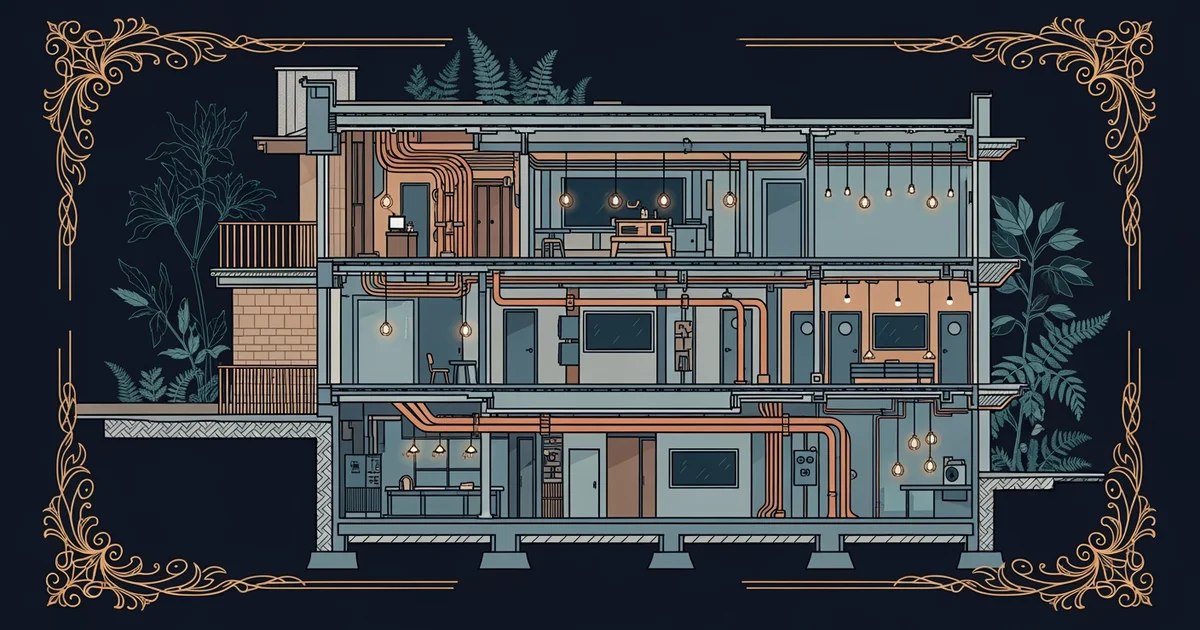
Modern buildings rely on complex networks to distribute electricity from the main utility line to every individual outlet. This system acts much like a city water supply, where a main pipe feeds smaller branches to ensure steady pressure. If too many faucets open at once, the pressure drops for everyone in the building, causing inconsistent flow. Similarly, electrical panels manage the flow of current to prevent dangerous surges that could easily damage sensitive equipment or start fires. Technicians monitor these panels to ensure that no single circuit carries more power than its wiring can safely support.
Key term: Load management — the process of balancing electrical demand across various circuits to prevent system overloads and ensure safety.
Effective load management requires constant observation of how much power different areas of a building consume. If a room uses heavy machinery alongside high-intensity lighting, the circuit might exceed its rated capacity. This creates a bottleneck that forces the system to shut down as a protective measure against overheating. By spreading out heavy equipment across different circuits, building managers maintain a steady flow of electricity throughout the day. This proactive approach prevents unexpected outages and extends the lifespan of the building's internal wiring and connected hardware components.
Safety Protocols and Distribution Health
Maintaining the health of an electrical grid involves following strict protocols to protect both the structure and the people inside. Technicians often use specialized tools to check for voltage drops or signs of wear on electrical components. These inspections reveal potential issues before they cause a total system failure or create a hazardous situation for users. Keeping detailed logs of power usage helps managers identify patterns that lead to inefficiencies or potential risks. When systems run efficiently, they consume less energy and operate with greater reliability throughout the entire building lifecycle.
To keep the grid stable, managers often categorize power usage into different priority tiers based on building needs:
- Critical loads provide power to essential safety systems like emergency lighting and fire alarms during a blackout.
- Standard loads support everyday office equipment like computers, printers, and general lighting for normal daily operations.
- Non-essential loads cover secondary systems such as decorative lighting or lobby displays that can be turned off safely.
By organizing power this way, managers ensure that the most important systems remain functional even if the main grid experiences a temporary surge or drop in capacity. This hierarchy allows for controlled power distribution during high-demand periods when the building needs to conserve energy to avoid tripping main breakers. Proper planning transforms a chaotic network into a highly efficient system that supports all building activities without interruption or risk of fire.
| Load Type | Priority Level | Typical Equipment |
|---|---|---|
| Critical | Highest | Alarms and exits |
| Standard | Medium | Workstations |
| Secondary | Lowest | Decorative items |
Understanding these priorities helps building managers make informed decisions when they need to adjust power usage. When the building faces a high demand for electricity, they can selectively disable secondary items to protect the essential functions. This balancing act ensures that the most important parts of the building remain safe and functional for every occupant at all times.
Reliable power distribution depends on balancing energy demand against circuit capacity to maintain safety and system stability.
After ensuring the grid remains balanced and safe, we must investigate how to optimize the energy we consume through smarter lighting and efficiency upgrades.
Want this with sources you can check?
Premium Learning Paths for Architecture & Design are researched against open-access libraries — PubMed, arXiv, government databases, and more — with their distinctive claims cited to real sources and independently checked.
See what Premium includes