
Plumbing and Water Systems
A sudden leak under the kitchen sink often signals that the hidden lifeblood of your home is failing. Water systems function like the circulatory system of a human body, moving essential resources through a network of pipes to every room. If the pressure drops or the flow stops, the entire building loses its ability to support basic human needs. Maintaining these systems requires constant vigilance because they operate mostly out of sight and out of mind until a disaster strikes. You must learn to spot early warning signs before a minor drip turns into a massive, costly renovation project.
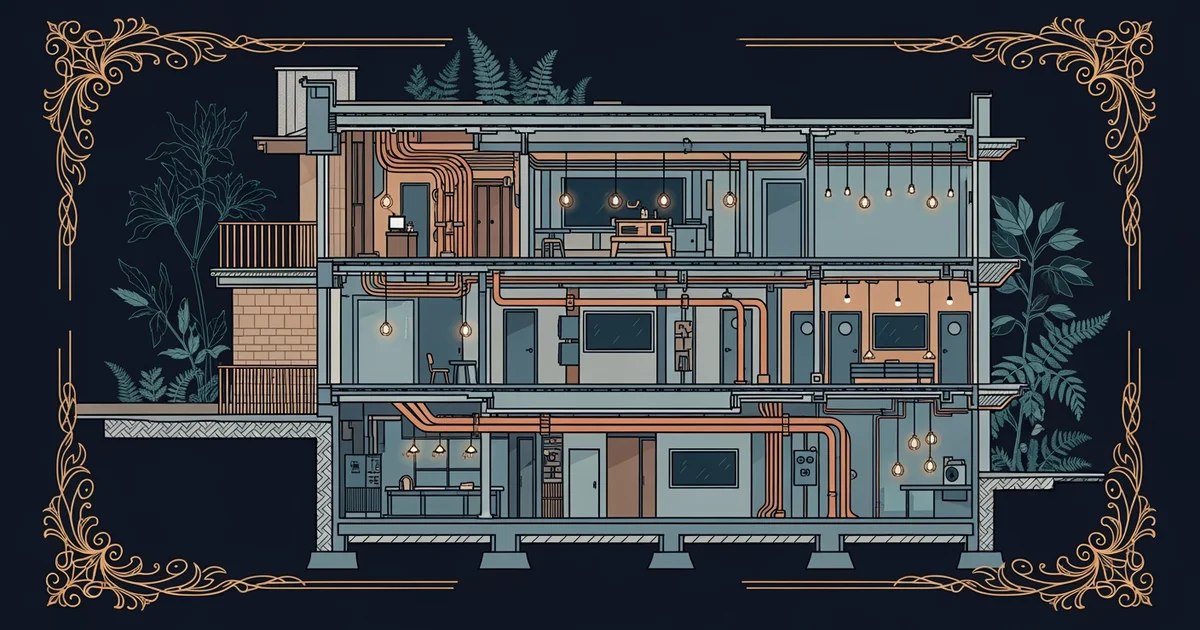
Understanding Water Distribution Maintenance
Building maintenance relies on keeping the flow of water steady and clean throughout the entire structure. Plumbers install a complex web of supply lines that deliver fresh water, while drain pipes whisk away the waste after use. Think of this process like a busy highway system during rush hour traffic. If the lanes become blocked by accidents or debris, the traffic flow slows down until the road becomes completely useless for everyone. Regular inspections ensure that the pipes remain clear of scale buildup and mineral deposits that act like traffic jams inside your walls.
Key term: Corrosion — the gradual destruction of metal pipes caused by chemical reactions with water or oxygen over long periods.
When you maintain these systems, you focus on the health of the joints and the integrity of the pipe walls. You should look for small signs of moisture or discoloration on the walls near plumbing fixtures. These spots often indicate that a tiny pinhole leak has started to release water into your building structure. Small leaks cause rot and mold if you leave them alone for too long. Checking your water pressure at the main valve helps you determine if the system is working at the correct capacity. High pressure can burst old pipes, while low pressure suggests a blockage or a failing pump system.
Recognizing Warning Signs of Pipe Corrosion
Identifying the early stages of damage prevents expensive repairs and protects the foundation of your home. You should inspect exposed pipes in basements or utility rooms for signs of physical distress. If you see rust flakes or green stains on copper pipes, you have identified active degradation. These visual cues tell you that the material is thinning and will eventually fail under normal operating pressure. The following table outlines the most common indicators that your plumbing system requires professional attention or immediate replacement efforts.
| Indicator | Visual Sign | Potential Impact |
|---|---|---|
| Discoloration | Brown water | Mineral buildup in pipes |
| Surface Rust | Orange flakes | Weakened pipe wall integrity |
| Low Flow | Trickling water | Internal blockage or scale |
| Dampness | Wet cabinets | Hidden structural wood rot |
Maintaining the water system involves more than just fixing leaks as they appear on the surface. You must also monitor the quality of the water moving through your pipes. Hard water contains minerals that accelerate the rate of wear on your plumbing infrastructure. Installing a water softener can extend the life of your entire system by preventing the buildup of scale inside the pipes. Proactive measures keep the building functional and safe for everyone who uses it every single day. Consistent monitoring acts as an insurance policy against the inevitable decay of aging materials within your building.
Regular inspection of water distribution systems prevents structural damage by identifying corrosion and leaks before they compromise the safety of the building.
The next Station introduces Electrical Grid Management, which determines how power flows to the systems that keep your building running efficiently.