
Integrated Facility Management
A flickering light in the hallway and a broken door lock create a poor experience for everyone in a building. If these issues remain separate tasks for different workers, the building will never reach its full potential for safety or efficiency. Managing these diverse needs requires a unified approach that connects every department into one shared system. This process ensures that no detail is missed while keeping the structure running smoothly for all occupants.
Coordinating Building Systems
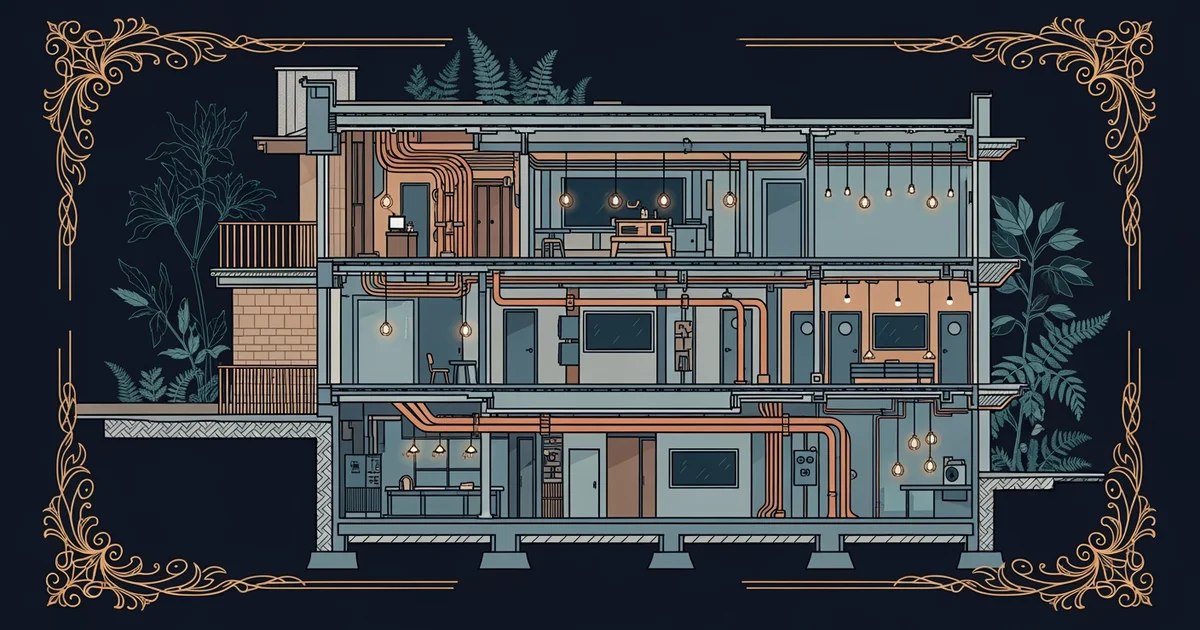
Modern buildings rely on Integrated Facility Management to bridge the gap between various maintenance teams and service providers. Imagine a large orchestra where every musician plays a different instrument but follows the same conductor to create a single song. Without this leader, the music becomes chaotic and lacks a clear rhythm despite the skill of each individual performer. Facility managers act as this conductor by aligning plumbing, electrical, and security tasks into one cohesive plan. They use data to see how one small fix impacts the larger building operations over time.
Key term: Integrated Facility Management — a comprehensive strategy that centralizes all building services and maintenance tasks under one unified control system for maximum efficiency.
By centralizing these functions, organizations reduce the waste often found in siloed work environments where teams work in isolation. When the heating system needs repair, the team responsible for energy use should know about it before they start their own check. This coordination prevents overlapping work and saves money on labor costs while reducing the time that systems remain offline. A unified master plan allows managers to track every asset and predict when parts might fail before they break down entirely.
Building a Unified Master Plan
Creating a successful master plan requires a clear view of how different maintenance parts interact to support the building occupants. We must look back at our earlier work regarding sustainability and green building to understand how energy use impacts daily repairs. If we ignore the green goals established in previous stages, our maintenance tasks will work against the efficiency of the whole structure. The following table outlines how different departments contribute to this unified vision for a safer and more functional building environment.
| Department | Primary Task | Benefit to the Building |
|---|---|---|
| Electrical | Power upkeep | Prevents outages and fires |
| Plumbing | Water systems | Stops leaks and mold growth |
| Security | Access control | Keeps occupants safe and secure |
| HVAC | Climate control | Ensures healthy indoor air quality |
Every department plays a vital role in the long-term health of the facility, but they must share data to succeed. When these teams communicate through a central hub, they can solve problems faster and keep the building running without constant interruptions. This approach turns maintenance from a reactive chore into a proactive strategy that keeps the building safe for everyone who uses it daily. We must consider how the physical structure supports human needs while also meeting our long-term environmental targets.
To ensure success, managers should follow these three core steps for building a unified plan:
- Audit all existing systems to identify which parts are failing and which parts need regular updates to remain efficient.
- Establish a shared communication platform where every department can log their tasks and report issues in real time.
- Review the collected data regularly to make informed choices about where to invest funds for future building upgrades.
By following these steps, we move beyond simple repairs and start managing the building as a living, breathing ecosystem. This shift allows us to answer our foundation question by providing a safe and functional space that grows smarter every single year. We must ask ourselves if we are truly ready to lead such a complex and changing environment in the years ahead.
Effective facility management combines diverse maintenance tasks into a single, coordinated strategy to improve safety, efficiency, and long-term building performance.
The next stage explores how future technology will change the way we maintain our buildings and manage these complex systems.