
Future Trends in Acoustics
Imagine a room that changes its shape to stop echoes the moment you walk inside. Architects now use smart materials to adjust the sound environment based on your current needs. This shift moves beyond static panels toward dynamic systems that mimic the way living lungs expand and contract. By integrating sensors with automated surfaces, designers create spaces that breathe with the people occupying them. This evolution represents a massive leap from the rigid structures we built in the past.
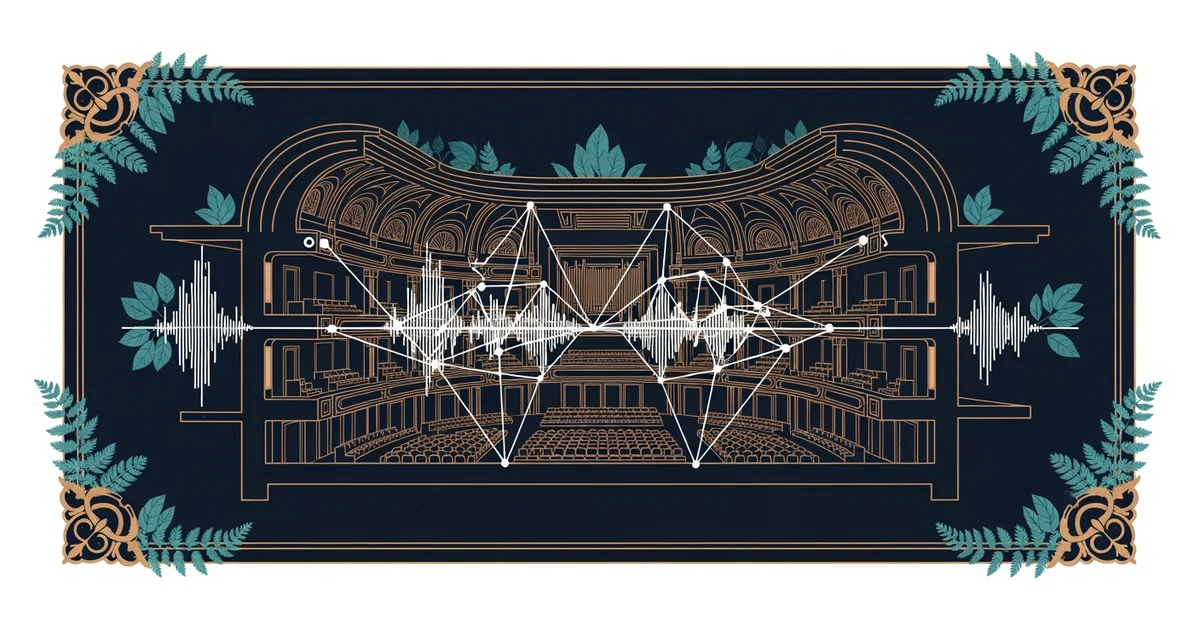
The Rise of Adaptive Acoustic Surfaces
Future trends in acoustics focus on active sound control which uses computers to cancel noise. Think of this like a pair of high-end noise-canceling headphones scaled to fit an entire office building. These systems detect incoming sound waves and generate an equal but opposite wave to neutralize them. By doing this, architects can eliminate unwanted background hums without adding heavy or bulky insulation materials. This technology allows for thinner walls while still maintaining perfect silence in busy urban areas.
Key term: Active sound control — a method of reducing unwanted noise by generating sound waves that cancel out the original noise.
Designers are also experimenting with shape-shifting materials that alter their texture to absorb or reflect sound. These surfaces behave like a sponge that can turn into a solid wall in seconds. When a room hosts a quiet lecture, the walls soften to soak up extra noise. If the room hosts a loud concert, the walls harden to project the music clearly. This flexibility ensures that the acoustic quality remains optimal for every single event held within the space.
Integrating Digital Twins and Smart Sensors
Buildings of the future will rely on a digital twin to monitor and manage their internal soundscapes. A digital twin is a virtual model that mirrors the actual room in real time. Sensors placed throughout the space feed data into this virtual model to predict how sound will behave. If the system detects a buildup of noise, it can automatically adjust the room geometry or trigger sound-absorbing panels. This process creates a cycle of constant improvement that keeps the environment comfortable at all times.
| Technology Type | Primary Function | Ideal Application |
|---|---|---|
| Active Sensors | Noise Cancellation | Open Office Hubs |
| Smart Panels | Surface Absorption | Concert Auditoria |
| Digital Twins | Real-time Tracking | Large Public Halls |
We must consider how these tools interact with the earlier concepts of the integrated design process. While our previous lessons focused on manual planning, these new trends automate much of that heavy lifting. The tension remains between relying on technology and maintaining human-centered design principles. Architects must decide when to let the computer lead and when to prioritize the natural feel of a space. Balancing these factors will define the next generation of building design.
Beyond just managing noise, these systems help us save energy by reducing the need for heavy physical infrastructure. We no longer need to build massive, thick concrete barriers to keep sound contained in a room. Instead, we use lightweight, intelligent materials that respond to the specific acoustic demands of each moment. This efficiency changes how we think about construction costs and long-term building maintenance. It turns the building into a responsive partner rather than a static container for human activity.
Future acoustic design will blend biology, computing, and material science to create spaces that feel alive. We are moving toward a world where your environment listens to you as much as you listen to it. The goal is to create harmony between the sounds we want and the noise we need to block out. This new era of design promises to reshape our cities into quieter and more efficient places to live and work. We have the tools to make this happen now.
Future acoustic design shifts from static, heavy barriers toward responsive, intelligent systems that actively manage sound waves in real time.
Understanding how active and passive systems work together allows architects to build spaces that adapt to any human activity.