
Materials and Sound Energy
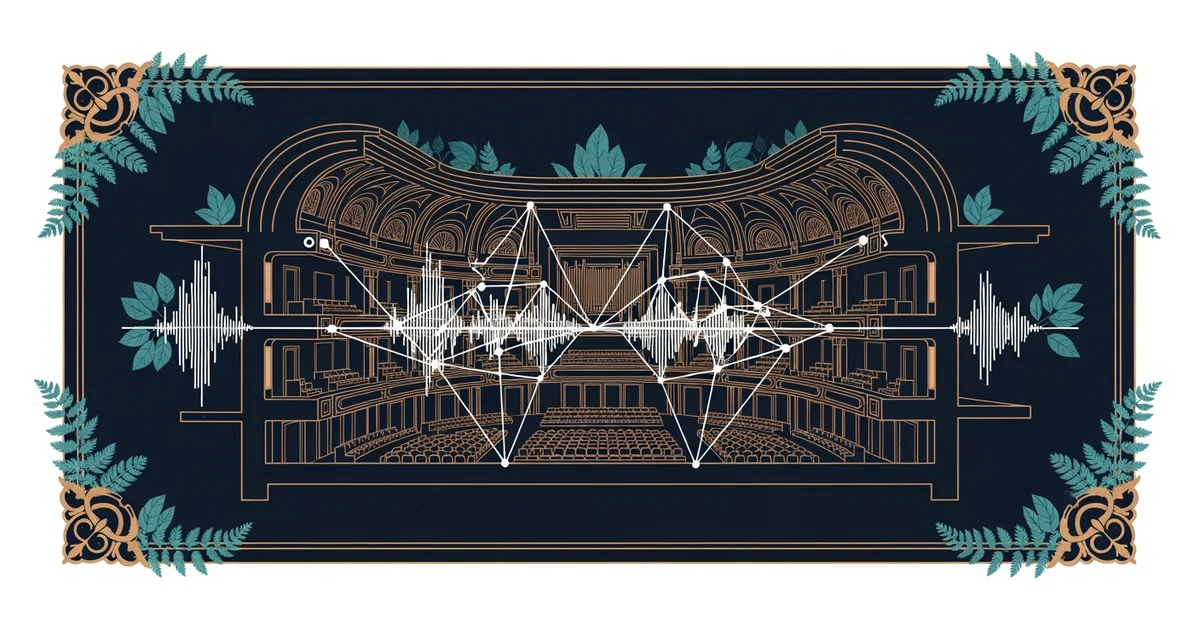
Imagine standing in a large empty hall where every single word you speak bounces back to you. This echoes happen because the hard walls in that space cannot soak up any sound energy. Architects must choose building materials carefully to prevent this messy noise build-up in busy public areas. When sound waves hit a surface, they either bounce off or disappear into the material structure. Understanding how different surfaces handle this energy helps designers build spaces that sound clear and pleasant.
The Mechanics of Sound Absorption
When a sound wave strikes a surface, the material acts like a sponge for that energy. Materials that provide absorption take in the sound waves instead of sending them back into the room. Soft or porous materials work best because they contain many tiny holes that trap air. As the sound wave enters these tiny spaces, friction turns the moving air energy into heat. Think of this process like a car driving into a pile of soft sand. The sand slows the car down quickly by absorbing its momentum, just as foam absorbs loud echoes. By using these soft materials, designers can stop sound from bouncing around and creating a cluttered, noisy environment for the people inside.
The Behavior of Sound Reflection
Unlike soft materials, hard surfaces function as mirrors for sound waves through a process called reflection. When sound energy hits a dense object like concrete or glass, it cannot enter the material. The wave bounces off the surface and returns into the room with most of its power. This reflection creates echoes that can make speech hard to understand in large, open buildings. Designers often use hard materials when they want to project sound across a large space, like in a concert hall. However, too many hard surfaces lead to noise problems that make it difficult for people to communicate effectively. Balancing these two properties is the primary goal for anyone designing a functional interior space.
Architects use a variety of common materials to manage how sound energy behaves within a room:
- Acoustic foam panels trap sound energy within their deep, open-cell structures to prevent unwanted echoes.
- Thick carpet flooring absorbs footsteps and low-frequency sounds by providing a soft, dense landing surface.
- Smooth glass windows reflect almost all sound waves back into the room because they are dense.
- Heavy curtains provide a flexible way to add absorption to a room with many hard surfaces.
- Concrete walls act as massive reflectors that bounce sound energy across a space with great intensity.
| Material Type | Sound Behavior | Best Use Case |
|---|---|---|
| Soft Foam | High Absorption | Small Studios |
| Thick Carpet | High Absorption | Office Floors |
| Polished Glass | High Reflection | View Windows |
| Solid Stone | High Reflection | Large Cathedrals |
Key term: Acoustic impedance — the measure of how much a material resists the flow of sound energy through its structure.
Choosing the right materials requires a deep understanding of how sound travels through a specific room. If a room has only reflective surfaces, the noise will build up until it becomes painful. If a room has only absorbent surfaces, it will feel dead and unnatural to the human ear. Designers must calculate the total surface area and the material properties to reach a perfect balance. This balance ensures that voices remain clear while the room feels comfortable for everyone who spends time there. Every choice made during the construction phase directly impacts how the space functions for its users.
Effective acoustic design relies on choosing materials that balance the absorption of sound energy with the necessary reflection to maintain clarity.
Understanding how these materials influence sound energy leads us to examine how the shape of a surface changes the direction of those reflections.