
The Role of Water Vapor
When you feel the intense heat of a humid summer afternoon, you are actually sensing the hidden power of water stored in the air. This invisible gas acts like a massive battery that powers our entire global weather machine.
The Energy Storage Capacity of Vapor
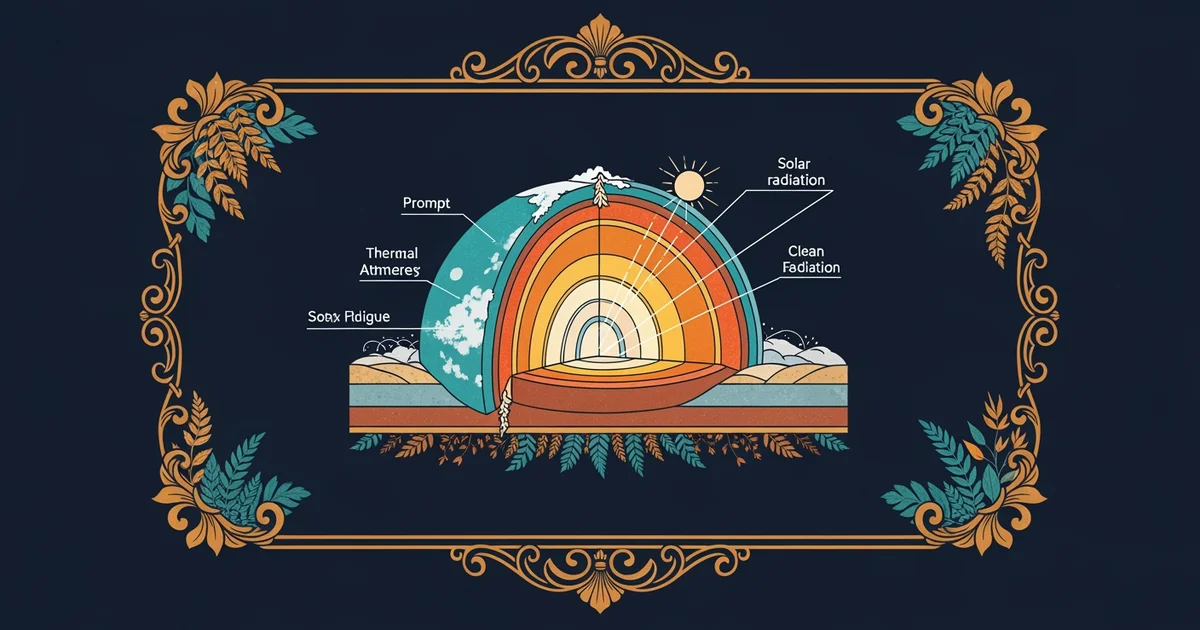
Water vapor holds an incredible amount of energy because of the way molecules transition between states. When liquid water turns into gas, it absorbs a specific amount of energy known as latent heat. This process requires significant thermal input to break the bonds holding liquid molecules together. Think of this like a bank deposit where you store energy in the vapor phase for later use. The energy does not disappear during evaporation but stays within the gas molecules until they condense. Because this energy remains hidden from thermometers, it often goes unnoticed until the air cools down. This storage mechanism allows the atmosphere to transport vast amounts of heat across the planet. Without this ability to store energy, our weather would lack the fuel required for storms. The atmosphere effectively uses water vapor as a rechargeable battery that powers the movement of clouds. By moving vapor from warm oceans to cooler regions, the planet redistributes thermal energy constantly.
The Mechanism of Latent Heat Release
Once the air cools, the vapor reaches a saturation point and begins to turn back into liquid. This phase change releases the stored energy back into the surrounding environment as condensation. This release is the primary driver behind the formation of powerful weather systems like thunderstorms and cyclones. You can compare this process to a battery discharging its power into a circuit when you turn on a device. As the vapor condenses into droplets, it warms the surrounding air, which causes that air to rise rapidly. This rising motion creates low pressure at the surface, which draws in more moist air from the surroundings. The cycle continues as long as a supply of warm, humid air exists to feed the system. This thermal feedback loop explains why storms often intensify over warm tropical waters. The energy released by condensation acts as a massive thermal engine that keeps the atmosphere moving.
Key term: Latent heat — the energy absorbed or released by a substance during a change in its physical state without changing its temperature.
To understand how different variables interact during these phase changes, consider the following table of atmospheric processes:
| Process | Energy Change | Resulting State | Atmospheric Effect |
|---|---|---|---|
| Evaporation | Absorbs heat | Vapor | Cools surface air |
| Condensation | Releases heat | Liquid | Warms upper air |
| Sublimation | Absorbs heat | Vapor | Dries local surface |
These processes dictate how energy moves through the layers of the atmosphere every single day. When water changes state, it fundamentally alters the local temperature and pressure of the air mass. This constant shifting of energy is what creates the complex weather patterns we observe. Because these changes happen on a global scale, they determine the climate of entire regions. Understanding these transitions is essential for predicting how storms will behave over time. The physics of water vapor remains the most important factor in atmospheric energy distribution. By studying these shifts, we gain insight into why certain areas experience more extreme weather than others. Every drop of rain is essentially a package of energy being delivered to the surface.
Water vapor serves as a massive planetary battery that stores energy during evaporation and releases that same energy during condensation to drive global weather patterns.
The next Station introduces atmospheric motion, which determines how these pressure differences create the wind patterns governing our world.