
Remote Monitoring Integration
A patient forgets to record their blood pressure for three days, leaving a large gap in their health history. Without consistent data, the doctor must rely on memory rather than precise trends during the monthly checkup.
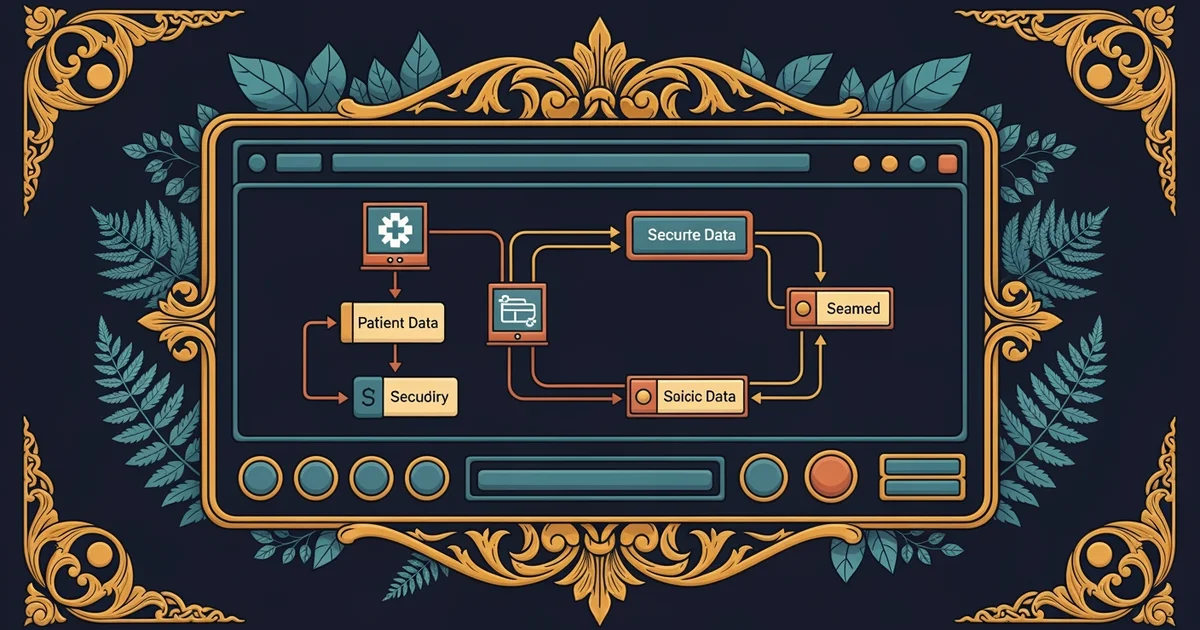
Connecting Remote Devices to Clinical Systems
When healthcare providers integrate home devices, they transform raw numbers into actionable clinical insights for better care. This process requires a stable bridge between consumer hardware and the electronic health record system. By automating data flow, clinics remove the burden of manual entry from patients who might otherwise forget. This automated link acts like a high-speed highway that moves traffic from local streets directly into a central hub. When data travels automatically, the clinical staff spends less time typing and more time analyzing important health patterns. Reliable connectivity ensures that every measurement reaches the doctor before the appointment begins, which helps prepare for informed discussions. This proactive approach allows teams to identify potential health risks before they become serious problems for the individual.
Key term: Remote Monitoring Integration — the technical process of linking home health devices directly to clinical databases to allow real-time data review.
Standardizing Data for Clinical Review
Once the connection is established, the system must organize incoming information so that doctors can interpret it quickly. Raw data from wearable sensors often arrives in different formats, which creates confusion if left unorganized or messy. Staff members must use standardized protocols to ensure that every device speaks the same digital language. Think of this like a library where every book is sorted by genre instead of scattered across the floor. When information follows a clear structure, doctors find the specific trends they need without searching through unrelated noise. This organization saves valuable time during busy clinical shifts and improves the accuracy of every diagnostic decision made.
To ensure data remains useful, clinical teams often rely on these three primary integration steps:
- Data validation checks confirm that information coming from the home device is accurate and complete before it enters the system.
- Automated alert thresholds trigger notifications for the medical team when a patient measurement falls outside of the expected safe range.
- Longitudinal trend reporting groups individual daily readings into long-term graphs that show health progress over several months of observation.
These steps ensure that the digital workflow remains efficient while protecting the quality of information used for patient care. When the system handles the heavy lifting of data organization, the doctor remains free to focus on complex medical reasoning.
| Feature | Manual Entry | Automated Integration |
|---|---|---|
| Speed | Very slow | Near instant |
| Accuracy | High risk of error | Low risk of error |
| Effort | High patient burden | Low patient burden |
This table shows why most modern facilities prefer automated systems over manual reporting for long-term health tracking. By removing the need for manual logs, the clinic reduces mistakes and ensures that every piece of data is reliable. Consistent data streams allow for better adjustments to treatment plans based on real-world evidence. When technology works in the background, both the patient and the provider benefit from a smoother, more efficient care experience. This content is educational only and does not constitute medical advice. Always consult a qualified healthcare professional for personal health decisions.
Reliable remote monitoring integration shifts the clinical focus from gathering information to interpreting meaningful patient health trends.
But what does it look like in practice when a bottleneck slows down this data flow?