
Virtual Rooming Procedures
A patient sits in a digital lobby while the doctor manages a full schedule of remote appointments. This scenario mimics a busy front office where staff must balance many incoming requests simultaneously. Efficiency depends on how well the team organizes the flow of patients into the virtual space. Without clear rules, the digital waiting area becomes cluttered and disorganized, leading to wasted time for everyone involved.
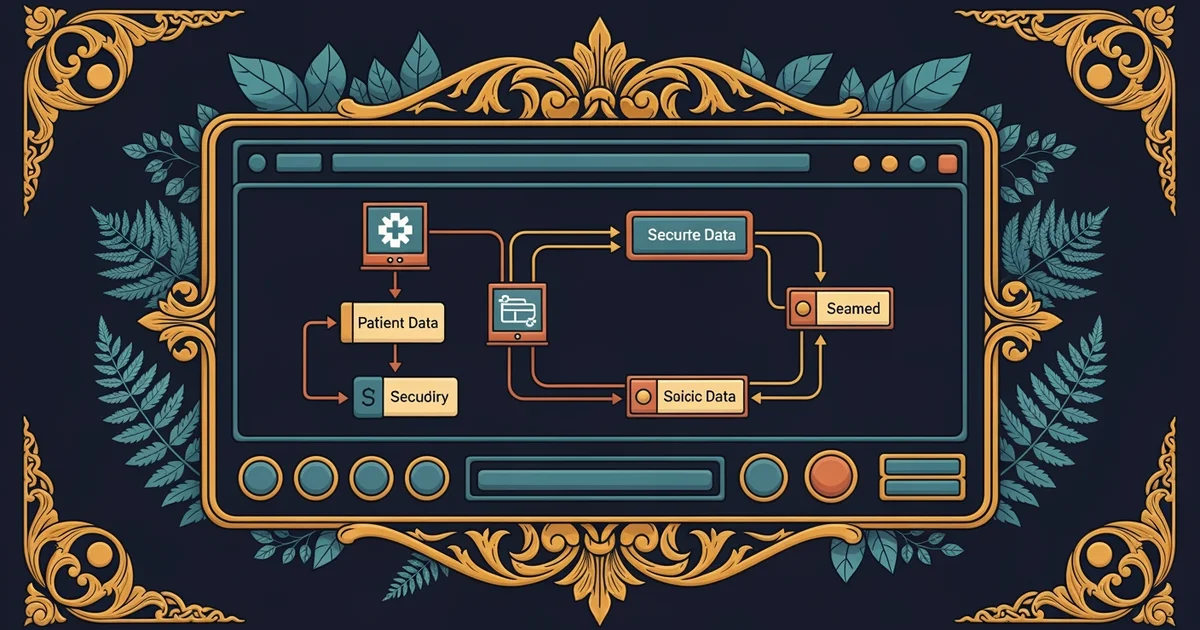
Establishing Digital Rooming Protocols
Virtual rooming procedures act as the bridge between the digital waiting area and the actual medical consultation. Just like a physical office where a nurse gathers vitals before the doctor enters, virtual rooming requires a structured intake process. This phase ensures that the patient is ready, the connection is stable, and all necessary data is available for review. When this process remains consistent, the provider spends less time on administrative tasks and more time on direct care. Think of this process as a high-speed assembly line for information where every piece of data must reach the right station at the right time.
Key term: Virtual Rooming — the standardized digital process of preparing a patient for a remote clinical encounter by verifying technology and collecting preliminary data.
Effective virtual rooming requires a clear sequence of events that every patient follows before the provider joins the call. This consistency reduces anxiety for the patient and prevents technical errors during the session. The digital intake should prioritize the most essential information to keep the workflow moving forward. If the intake takes too long, the patient might become frustrated or lose interest in the process. Balancing speed with thoroughness remains the primary goal for any successful telehealth program.
Mapping the Digital Intake Workflow
Mapping the steps of a virtual rooming process helps teams identify bottlenecks that slow down the clinical day. Every step must serve a specific purpose, such as confirming identity or testing audio equipment. When these steps are clearly defined, the entire team knows exactly what to do to support the provider. Consider the following sequence for a standard digital rooming process:
- Identity Verification: Staff confirm the patient identity using secure, encrypted platforms to ensure that medical records match the person on the screen.
- Technical Readiness Check: A brief test of the camera and microphone ensures that both parties can communicate clearly without needing to troubleshoot during the visit.
- Preliminary Data Collection: Patients provide updates on symptoms or medication changes through a digital form, which populates the chart before the provider even opens the session.
- Consent Confirmation: Electronic signatures are gathered for the visit, ensuring that the patient understands the scope and limitations of the virtual medical consultation.
| Step | Primary Goal | Required Action |
|---|---|---|
| Verification | Ensure safety | Check photo ID |
| Tech Test | Improve quality | Confirm audio feed |
| Intake | Save time | Submit symptom form |
| Consent | Legal compliance | Sign digital document |
This table illustrates how each step serves a unique function in the overall workflow. By breaking down the tasks, the staff can manage the rooming process more efficiently. This methodical approach mirrors a bank teller who verifies signatures and balances accounts before finalizing a transaction for the client. Just as the teller cannot complete the request without the proper documentation, the doctor cannot provide effective care without the proper digital groundwork. This structure prevents the provider from acting as an IT support person while trying to treat a medical condition. By delegating these tasks to support staff, the clinic maintains a professional environment that respects the time of both the patient and the physician. Consistent application of these steps ensures that the telehealth experience remains reliable and secure for all participants involved in the remote care process. This content is educational only and does not constitute medical advice. Always consult a qualified healthcare professional for personal health decisions.
Standardized virtual rooming procedures organize the transition from digital waiting to clinical consultation by delegating technical and administrative tasks to support staff.
The next Station introduces Telehealth Billing Standards, which determines how virtual rooming documentation impacts professional reimbursement.