
Digital Patient Intake
A patient sits in a cold waiting room for thirty minutes while filling out identical forms on a clipboard. This outdated process creates a bottleneck that slows down the entire medical office before the doctor even enters the room. By digitizing this step, clinics can shift the burden of data entry to the patient before the appointment begins. This change allows the clinical team to focus on patient care instead of manual paperwork during the limited time of a virtual visit. Improving the start of the clinical encounter ensures that the patient and provider remain focused on health outcomes rather than administrative hurdles.
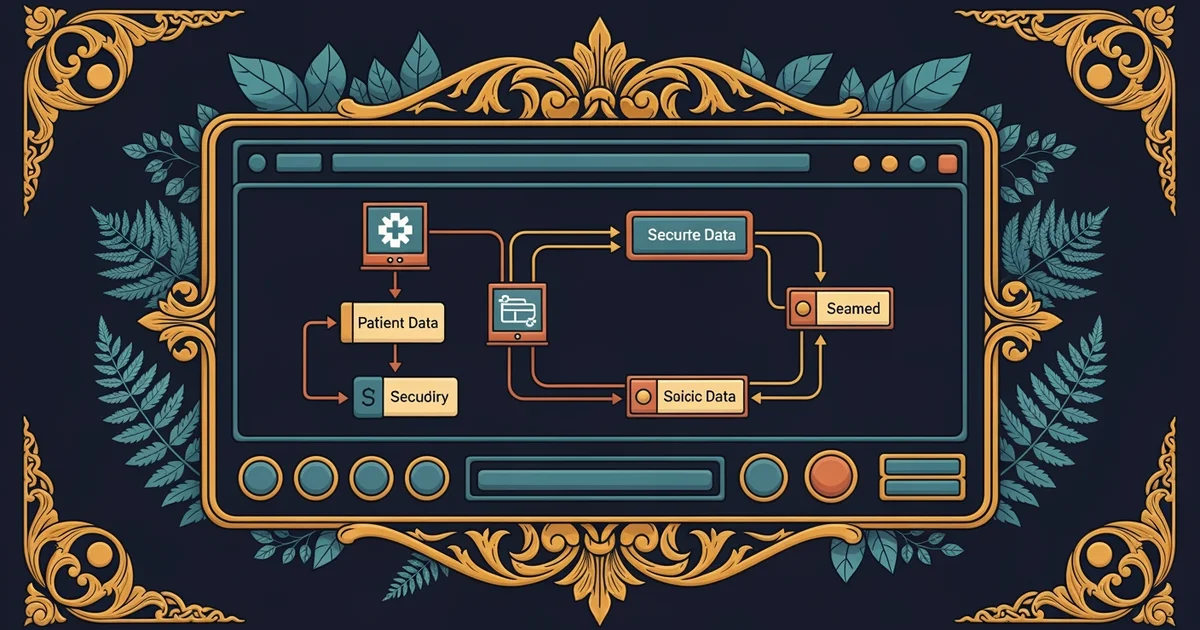
Optimizing the Digital Registration Sequence
Transitioning to a digital workflow requires a structured approach to how information is collected from the patient. When a patient schedules a virtual visit, the clinic should trigger an automated sequence that collects essential medical history and insurance details. This digital intake form acts like a digital concierge that prepares the patient for their specific clinical needs before the video call starts. By using pre-filled templates, the system reduces the risk of errors that often occur when staff manually transcribe handwritten notes into the electronic records. This automated preparation ensures that the provider has a complete picture of the patient's current health status upon arrival.
Key term: Digital intake — the process of collecting patient health information and administrative data through secure online forms before a scheduled appointment.
Efficiency in this process relies on the design of the user interface provided to the patient. If the form is too complex, patients may abandon the task or provide incomplete information. Designers must balance the need for comprehensive medical data with the goal of keeping the form accessible for all users. Using conditional logic allows the form to hide irrelevant questions based on the patient's previous answers. This ensures that a patient only sees questions that directly apply to their specific situation, which keeps the process quick and relevant. A smooth digital experience at the start increases the likelihood that the patient will return for future virtual care.
Managing Data Flow and Clinical Accuracy
Once the patient completes the digital intake, the system must integrate that data directly into the clinical workflow. This integration is like a high-speed conveyor belt that moves items from the loading dock directly to the assembly line. Without this connection, the staff must manually move data from one system to another, which wastes time and increases the chance of mistakes. Automated systems ensure that the information is formatted correctly for the provider's view. This allows the doctor to review the patient's history in seconds instead of searching through multiple paper files or digital folders.
Clinics must consider several factors when choosing how to manage this incoming stream of health information:
- Automated verification tools check insurance eligibility in real time to prevent billing issues that can delay the start of the visit.
- Secure cloud storage platforms encrypt patient data to ensure that sensitive health information remains protected during the transmission process.
- Integrated scheduling software updates the provider's calendar automatically when a patient completes the registration steps to ensure no time is lost.
Effective management of these digital tools helps clinics handle more patients without adding more staff members. Research suggests that well-designed intake systems improve provider satisfaction by reducing the time spent on repetitive tasks. When the administrative workload decreases, the provider can dedicate more energy to listening and responding to the patient's needs. This shift in focus is the cornerstone of a sustainable telemedicine practice that balances efficiency with high-quality care. By prioritizing the digital intake phase, clinics create a foundation where technology supports the human connection rather than replacing it.
Streamlining patient registration through automated digital systems removes administrative friction and allows providers to prioritize clinical interaction over manual data entry.
The next phase of our workflow optimization explores the specific tools providers use to maintain clear communication during virtual visits.
This content is educational only and does not constitute medical advice. Always consult a qualified healthcare professional for personal health decisions.