
Data Security Protocols
A locked front door protects a family home from unwanted guests while allowing residents to enter safely. Digital medical records require similar protection to ensure that only authorized doctors can view sensitive patient data. Without these safeguards, private health information remains vulnerable to unauthorized access during every remote consultation. Maintaining patient trust requires a robust approach to data security that operates invisibly behind the scenes.
Establishing Secure Digital Perimeters
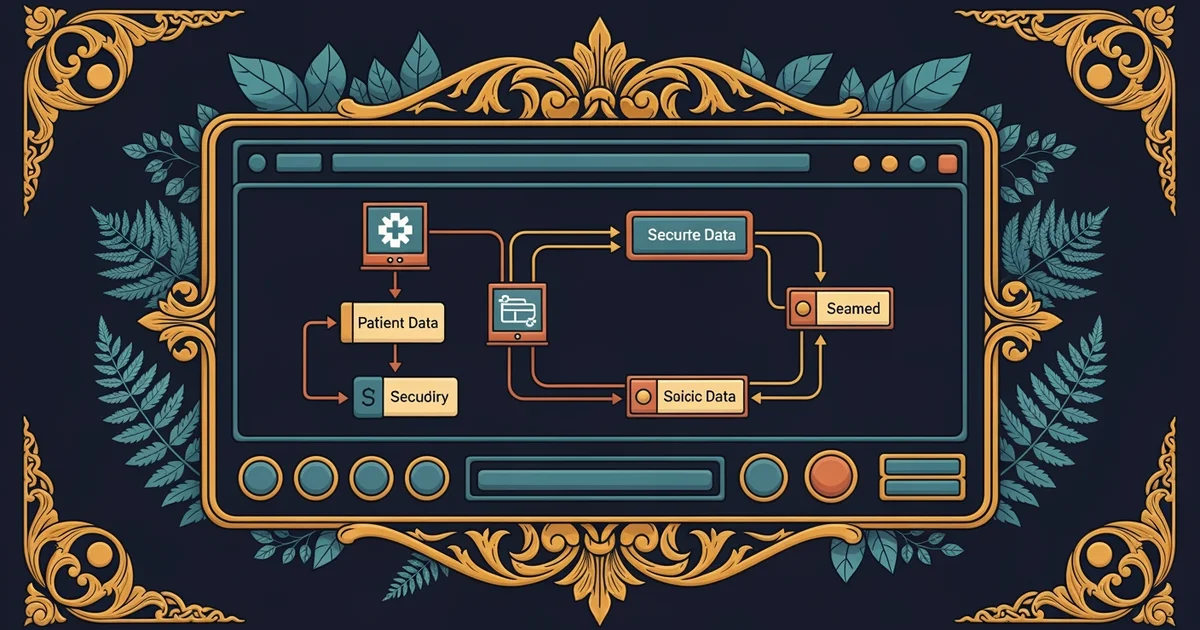
Protecting patient information begins with the implementation of encryption, which converts readable data into unreadable code during transmission. This process ensures that even if hackers intercept the data, they cannot view the contents without the correct digital key. Think of encryption as sending a secret message in a locked safe that only the recipient can open. This method serves as the first line of defense for all clinical communications occurring across the internet today. Because telemedicine relies on public networks, these security protocols provide the necessary barrier between private health files and external threats. Strengthening these digital perimeters allows providers to focus on clinical care rather than worrying about potential data leaks. By prioritizing these technical defenses, healthcare systems build a foundation of safety for every virtual visit.
Key term: Encryption — the process of scrambling electronic data into a secure format that remains unreadable to anyone lacking the proper digital decryption key.
Standardizing Data Access Protocols
Once the connection is secure, the system must verify the identity of everyone attempting to access the stored information. This verification process often involves authentication, which requires users to provide multiple forms of proof before gaining system entry. A standard approach uses passwords combined with temporary codes sent to a trusted mobile device. This multi-layered strategy prevents unauthorized individuals from accessing patient records even if they manage to discover a single password. Healthcare organizations often follow strict guidelines to ensure that each staff member only views data necessary for their specific role. These systematic checks reduce the risk of accidental exposure while maintaining a smooth flow of information for the care team. The following list outlines the primary methods used to keep patient data protected during the daily clinical workflow:
- Multi-factor authentication requires users to verify their identity through two or more independent methods, such as a password and a unique code.
- Automatic session timeouts force the system to log out inactive users after a set period, preventing unauthorized access from unattended computer terminals.
- Regular security audits track every instance of file access, allowing administrators to identify and address any unusual activity within the patient database immediately.
Managing Secure Storage Requirements
After verifying the users, the system must ensure the data storage environment meets specific safety standards. Data storage must comply with regional privacy laws that dictate how long records remain accessible and who can view them. Secure cloud platforms offer advanced protection tools, such as automated backups and real-time threat monitoring, which exceed traditional on-site storage capabilities. These digital vaults organize information so that doctors retrieve only what they need when they need it. Effective storage management also includes clear policies on how to delete or archive information once it is no longer relevant to current care. By centralizing these security measures, telemedicine platforms create a consistent environment where patient privacy remains a top priority. Well-managed storage systems provide the stability needed for long-term health monitoring without sacrificing the speed of clinical decision-making.
| Feature | Purpose | Security Benefit |
|---|---|---|
| Encryption | Data Privacy | Prevents unauthorized reading |
| Authentication | Identity Check | Verifies authorized users |
| Auditing | Oversight | Tracks access patterns |
These components work together to form a comprehensive security strategy that supports the entire telemedicine infrastructure. Each layer adds a specific level of protection that ensures patient information stays private and accurate during every interaction. Consistent application of these standards helps healthcare providers maintain compliance while delivering high-quality care from a distance. The next Station introduces Integrated EHR Connectivity, which determines how data security protocols interact with existing electronic health records.
This content is educational only and does not constitute medical advice. Always consult a qualified healthcare professional for personal health decisions.
Robust data security relies on multiple layers of protection that verify identities and encrypt information to keep patient records private during remote consultations.
The next Station introduces Integrated EHR Connectivity, which determines how data security protocols interact with existing electronic health records.