
Technological Sensory Aids
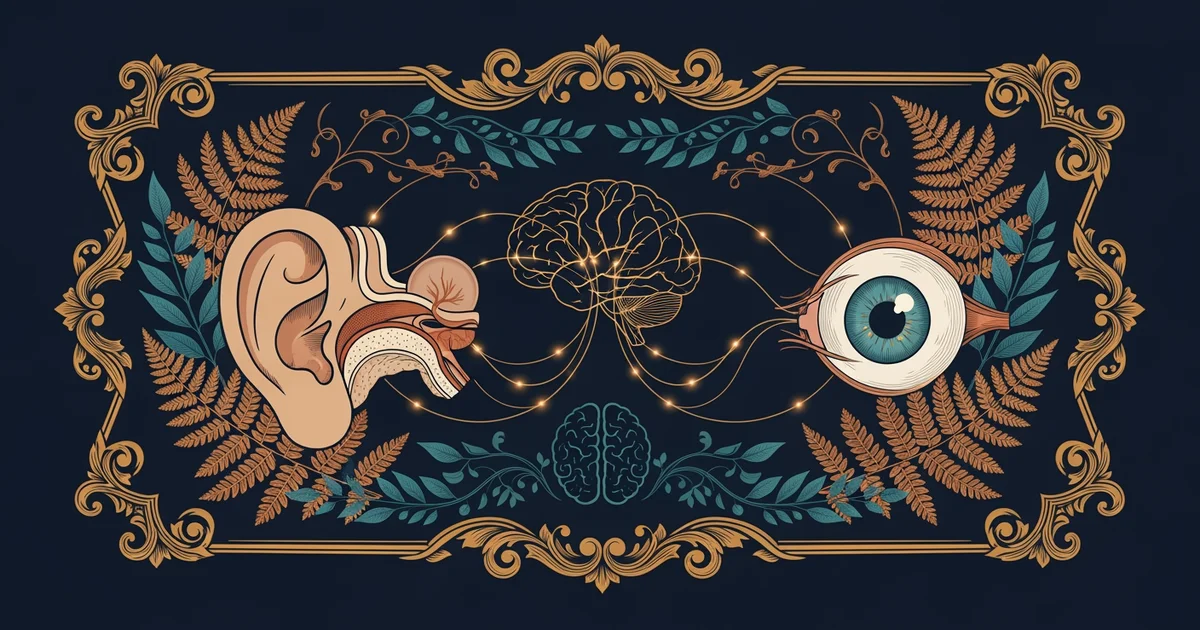
When a person loses the ability to hear the world, the silence creates a profound barrier to daily social interaction. In the case of a patient receiving a cochlear implant, the device does not simply amplify existing sounds like a standard hearing aid. Instead, it bypasses damaged parts of the ear to stimulate the auditory nerve directly with electrical patterns. This is the application of sensory translation discussed in Station 1. The device functions as a bridge, turning acoustic pressure waves into digital data that the brain interprets as sound. This complex process allows individuals to regain a functional sense of hearing by replacing biological hardware with sophisticated electronic components.
Mechanisms of Sensory Restoration
Modern sensory aids operate by converting external stimuli into signals that the nervous system can interpret effectively. A visual aid for the blind, such as a retinal implant, captures light through a small camera mounted on glasses. The system processes this visual data into electrical pulses sent to an electrode array placed against the eye. This mimics the natural function of the retina, which normally converts light into electrochemical signals for the optic nerve. By simulating these patterns, the brain receives input that resembles sight, even if the biological eyes are unable to process light. These systems function like a digital translator, converting one language of physical energy into another language of electrical impulses.
Key term: Sensory substitution — the process of using one sense to supply data normally gathered by another sense.
Technological aids rely on precise calibration to ensure the brain receives consistent information during the learning process. The integration of these devices requires significant neuroplasticity, as the brain must learn to associate new electrical signals with meaningful environmental experiences. Developers focus on three major design pillars to ensure these systems remain effective for long-term use:
- Signal conversion accuracy ensures that the input data matches the frequency and intensity of natural sensory inputs to prevent confusion.
- Power efficiency allows the device to function throughout the day without requiring constant battery replacements or bulky external hardware units.
- Interface stability keeps the electrodes connected to the nervous system without causing tissue irritation or signal degradation over extended periods.
Challenges in Sensory Integration
While these technologies offer life-changing benefits, they face significant limitations regarding resolution and sensory richness. A cochlear implant might restore the ability to perceive speech, but it often lacks the nuance required to appreciate complex musical tones. Similarly, visual implants currently provide low-resolution images that help with basic navigation but cannot replicate full color or depth perception. These systems are limited by the number of electrodes that can safely contact neural tissue without damaging the surrounding biological structures. Researchers are currently working to increase electrode density to provide higher fidelity inputs that feel more natural to the user.
These limitations create a specific tension in the field of biomedical engineering. Engineers must balance the need for high-resolution data with the physical constraints of the human body. If an implant contains too many electrodes, it risks overheating or damaging the delicate nerves it intends to serve. This trade-off between signal quality and biological safety remains the primary hurdle for the next generation of sensory devices. The goal is to move beyond simple detection toward a level of sensory input that feels seamless and intuitive for the individual. This is the central challenge of creating integrated sensory systems from Station 14.
Technological sensory aids restore function by bypassing damaged biological structures to deliver electrical signals directly to the nervous system.
But this model breaks down when the brain lacks the capacity to interpret these novel signals effectively. This content is educational only and does not constitute medical advice. Always consult a qualified healthcare professional for personal health decisions.