
Classification of Receptors
Imagine you are walking through a busy city street where every storefront uses a different method to attract your attention. Some shops use bright flashing lights, others rely on the smell of fresh bread, while some use loud music to pull you inside. Your body processes the world in a similar way because it uses specialized sensors to detect specific types of information. These sensors act like a team of experts who each monitor a different channel of incoming data from your surroundings. If your body only used one type of sensor, you would miss most of the vital information needed to survive in a complex environment.
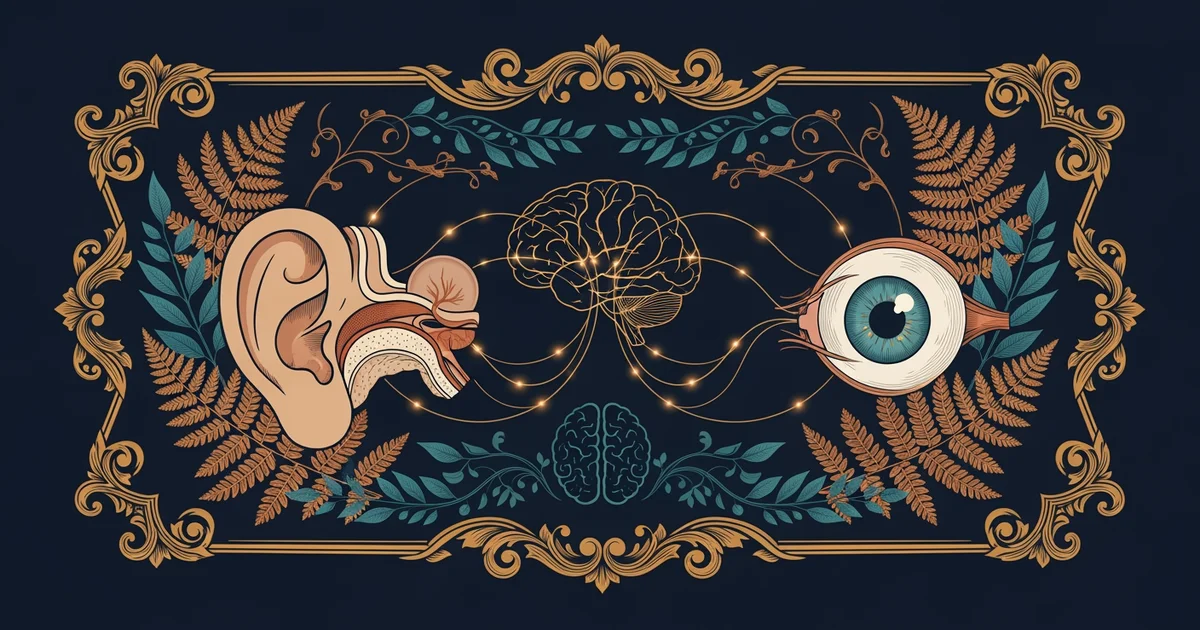
The Specialized Roles of Sensory Receptors
To translate the physical world into electrical signals, your body relies on sensory receptors that act as biological translators. These cells sit at the edges of your nervous system to catch environmental changes before turning them into code. Think of this process like a currency exchange booth at an airport where you trade foreign money for local cash. Your environment provides the foreign currency of physical forces and chemical particles. The receptors then exchange these inputs for the local electrical currency that your brain understands perfectly. Without this conversion, your brain would remain isolated from the physical world around it.
Key term: Sensory receptors — specialized cells or nerve endings that detect physical stimuli and convert them into electrical impulses.
Different receptors specialize in distinct types of stimuli to ensure the brain receives a complete picture. This division of labor allows your body to manage vast amounts of data without overwhelming the central nervous system. By assigning specific jobs to different cells, the body ensures that a change in pressure does not get confused with a change in temperature. This precise classification system is the foundation for how you perceive reality through your five primary senses and beyond.
Classifying Receptors by Stimulus Type
When we look closer at these sensors, we find they fall into categories based on the specific energy they detect. These groups allow the nervous system to organize incoming data efficiently so the brain can respond to urgent needs. The following table highlights the primary ways your body sorts these incoming signals based on the energy source involved in the detection process.
| Receptor Type | Primary Stimulus | Example Location |
|---|---|---|
| Mechanoreceptor | Physical pressure | Skin surface |
| Chemoreceptor | Chemical change | Nasal passages |
| Photoreceptor | Light intensity | Retina tissue |
Your body relies on these primary groups to navigate the world effectively every single day. Each type performs a unique task:
- Mechanoreceptors respond to mechanical deformation by opening ion channels when they feel touch, vibration, or stretch — these signals tell your brain exactly where your limbs are located in space.
- Chemoreceptors detect specific molecules in the air or liquid by binding them to surface proteins — this process allows you to taste food and smell dangerous substances in the environment.
- Photoreceptors capture photons of light to trigger a chemical cascade that creates visual images — without these cells, the brain would receive no data about the visual world.
Understanding these categories helps explain why certain sensations feel more intense than others. For example, your skin contains many mechanoreceptors that make you highly sensitive to touch, while your internal organs might have fewer receptors for pain. This distribution is not random but is carefully balanced to protect your most vital areas. If you consider how a city manages its traffic, you can see how these receptors act as sensors on the road. They report the state of the system so the central hub can adjust the flow of traffic accordingly. This constant stream of data is what creates your experience of a solid, colorful, and noisy reality.
Sensory receptors function as specialized biological filters that convert diverse environmental energy into the standard electrical language of the nervous system.
The next step in our journey involves exploring how the specific mechanics of vision allow photoreceptors to translate light into the images you see every day.
This content is educational only and does not constitute medical advice. Always consult a qualified healthcare professional for personal health decisions.