
Emerging Infectious Threats
A single animal encounter in a remote forest can trigger a global chain reaction. When invisible microbes jump from wild species to humans, the resulting biological fire often spreads faster than our modern systems can contain.
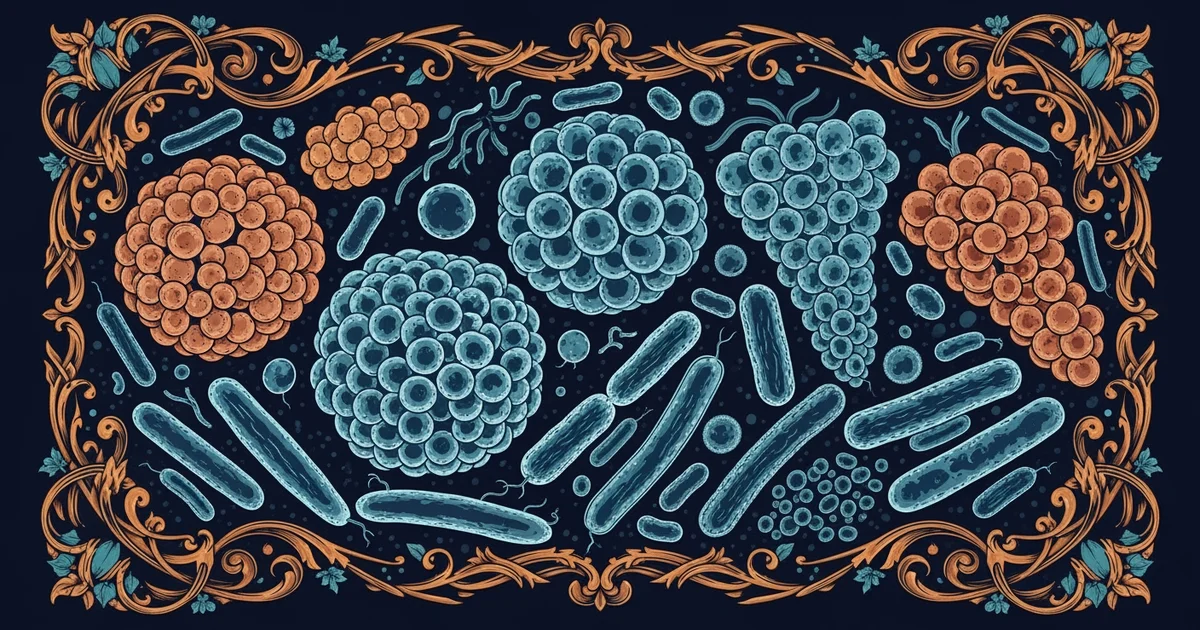
The Dynamics of Zoonotic Spillover
Disease transmission between animals and humans, known as zoonotic spillover, represents a constant threat to global health security. These microbes often exist harmlessly in animal reservoirs until a specific environmental trigger forces them into new territory. As humans expand into previously untouched wilderness, the frequency of these interactions increases significantly. This process is much like a bank vault that remains secure until someone leaves the door slightly ajar. Once the barrier is breached, the pathogen gains access to a new population with no prior immunity. Research indicates that the majority of new human infectious diseases originate from these animal sources. Managing this risk requires constant monitoring of wildlife health alongside human medical surveillance programs. By tracking these early signals, scientists hope to predict outbreaks before they become widespread crises.
Key term: Zoonotic — a term describing infectious diseases that naturally jump from vertebrate animals to human populations.
Understanding how these pathogens move requires looking at the intersection of human behavior and ecological change. When people clear forests for agriculture or housing, they disrupt the natural balance of local ecosystems. This disruption forces wildlife into closer contact with domestic animals and human communities. These events create a bridge for microbes to cross the species barrier with ease. The following table outlines the primary factors that contribute to the rising risk of these transmission events.
| Risk Factor | Mechanism of Action | Impact on Spread |
|---|---|---|
| Deforestation | Habitat loss forces animals closer to homes | Increases physical exposure |
| Global Trade | Rapid transit of goods moves hosts quickly | Expands geographic reach |
| Urbanization | Dense living allows for fast transmission | Accelerates local outbreaks |
Predictive Modeling and Future Readiness
Predictive modeling helps experts anticipate where the next major threat might emerge by analyzing environmental data. These models integrate climate patterns, land use changes, and animal migration data to identify high-risk zones. By mapping these hotspots, public health officials can allocate resources more effectively to prevent large-scale emergencies. This strategy builds upon the lessons learned from previous global health security efforts where early detection proved vital. The goal is to shift from reactive measures to proactive prevention. Scientists must also consider how climate change alters the geographic range of disease vectors like mosquitoes and ticks. As these insects move into new regions, they bring their associated microbes into contact with vulnerable populations. The integration of technology and biology remains our best tool for maintaining human safety in a changing world.
When we look back at the foundation question of this path, we see that microbes are not just external invaders. They are dynamic participants in our shared history that respond to the ways we reshape our planet. How might our future decisions regarding land preservation change the trajectory of these invisible threats? We must balance our need for resources with the reality of biological risks to ensure long-term stability. This requires a shift in how we view our relationship with the natural world and its many unseen inhabitants.
Predicting future outbreaks requires monitoring the complex interactions between human land use, climate shifts, and the natural behavior of wildlife reservoirs.
The future of medicine depends on our ability to integrate these ecological insights into our standard clinical practices to stop disease at the source.
This content is educational only and does not constitute medical advice. Always consult a qualified healthcare professional for personal health decisions.