
Defining Infectious Disease
Imagine a tiny, unseen intruder entering a house through an open window to steal resources. This silent event happens inside the human body every single day on a microscopic scale. While we often feel healthy, our internal systems constantly defend against invaders that seek to use our own cells for their survival. Understanding these invisible interactions is the first step toward mastering the science of human health and long-term wellness.
The Nature of Pathogens
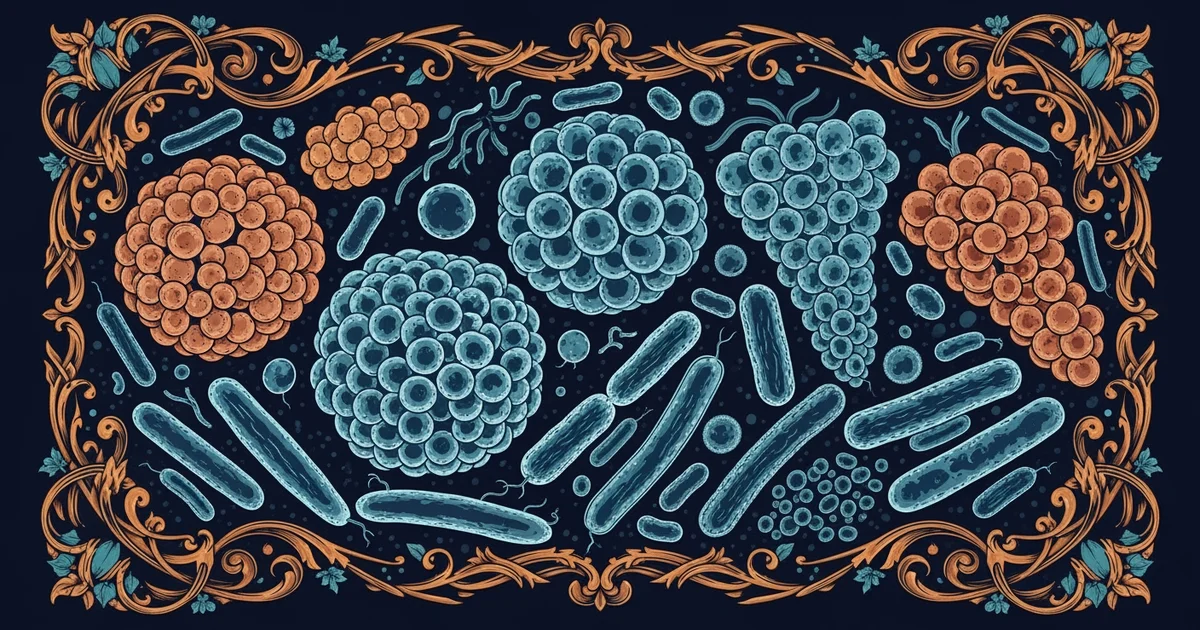
At the center of every infectious disease lies a pathogen, which is a biological agent that causes illness in its host. Pathogens are not just random debris, but specialized organisms that have evolved to exploit the environment of a living host. Think of a pathogen like a squatter in an apartment building who consumes all the food and breaks the furniture. The squatter does not own the home, yet they rely entirely on the resources found inside the structure to survive and thrive. This relationship is rarely peaceful, as the presence of the intruder forces the host to fight back to reclaim their space.
When these organisms invade, they disrupt the normal balance of the body through rapid growth. Some pathogens produce toxins that poison the surrounding area, while others simply crowd out healthy cells. The body must then divert its energy away from normal tasks to manage this new, unwanted guest. This shift in energy usage is why people often feel tired or weak when they are fighting off a minor cold. The internal struggle for dominance between the invader and the host is the primary reason we experience the symptoms of disease.
Host and Environment Interaction
An infectious disease only occurs when a specific set of conditions allows a pathogen to enter a host. The host is the living organism, such as a human, that provides the necessary environment for the pathogen to live. Without a vulnerable host, the pathogen cannot replicate or spread to new areas. The following factors often determine whether an encounter between a pathogen and a host leads to an active infection:
- The total number of pathogens present at the start of the initial exposure event.
- The strength of the host immune system when the pathogen first attempts entry.
- The specific route of entry the pathogen uses to bypass the natural body defenses.
- The environmental conditions that influence how well the pathogen survives outside the host.
Key term: Infection — the successful invasion and multiplication of a pathogen within a host organism that results in damage.
These variables explain why two people exposed to the same pathogen might have very different outcomes. One person might show no symptoms at all, while another person might become quite ill. The difference usually comes down to how quickly the host detects the presence of the intruder. When the body detects the pathogen early, it can launch a defense before the invader gains a foothold. If the pathogen hides or spreads too quickly, the host experiences the full impact of the disease process.
| Feature | Pathogen Role | Host Role |
|---|---|---|
| Goal | Replicate and spread | Maintain homeostasis |
| Energy | Steals from host | Uses for defense |
| Outcome | Potential damage | Recovery or illness |
This table highlights the fundamental conflict between these two entities. The pathogen prioritizes its own survival above the health of the host. The host, in turn, prioritizes the restoration of internal balance to ensure survival. This constant, invisible tug-of-war is the defining characteristic of infectious disease. By studying these interactions, we gain a deeper appreciation for the complex biological systems that keep us functioning every day. This path will provide you with a comprehensive understanding of how microbes impact human history and the mechanisms we use to survive them. This content is educational only and does not constitute medical advice. Always consult a qualified healthcare professional for personal health decisions.