
Antibiotic Resistance Mechanics
Imagine a locksmith who discovers that a specific key no longer opens a door because the lock has changed its shape overnight. Bacteria operate in a similar way when they encounter medicine, as they constantly refine their internal structures to ensure their own survival against external threats.
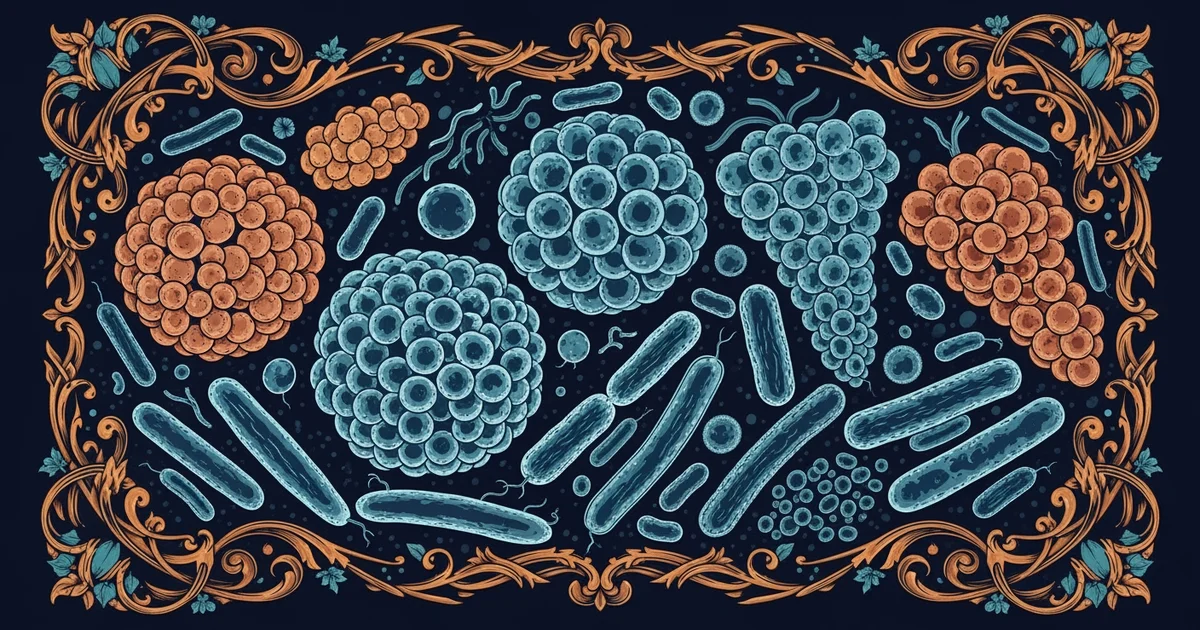
The Mechanics of Bacterial Adaptation
When bacteria face exposure to medicine, they often undergo a process of rapid genetic adjustment to survive the encounter. This adaptation happens because random mutations occur frequently within large bacterial populations during their normal life cycles. If one of these mutations happens to provide a slight advantage against a specific chemical agent, that individual cell survives while others perish. The survivors then multiply rapidly, passing this beneficial trait to their offspring through simple cell division. This process functions like a business that pivots its entire production model after finding a single new way to cut costs, eventually dominating the market because it outpaces competitors that remain stuck in older, less efficient habits.
Key term: Antibiotic resistance — the ability of bacteria to withstand the effects of medications that were designed to kill them or stop their growth.
Bacteria utilize several distinct methods to prevent medicine from damaging their vital internal systems. They might develop pumps that actively push the chemical out of the cell before it can cause harm. Alternatively, they can modify the specific targets that the medicine usually attacks, making the drug unable to lock onto its intended site. These changes ensure that the bacteria continue their biological functions without interruption, even when exposed to high levels of treatment.
Evolutionary Strategies for Survival
Bacteria do not only rely on their own genetic mutations to gain these protective advantages. They can also share genetic material with other nearby bacteria through a process that functions like trading technical manuals between neighbors. This horizontal gene transfer allows even harmless bacteria to pass resistance traits to harmful ones, spreading protective mechanisms across entire communities very quickly. The following list outlines the primary ways these microbes maintain their defenses against modern medical treatments:
- Efflux pumps act as biological security guards that identify incoming medicine and immediately eject the substance from the cell to prevent damage.
- Enzyme production allows bacteria to chemically break down the drug molecules, rendering the medicine useless before it can reach its target site.
- Target modification involves changing the shape of the internal proteins that the drug needs to bind to, ensuring the medicine cannot attach.
| Mechanism | Strategy Type | Resulting Effect |
|---|---|---|
| Efflux | Removal | Drug is expelled |
| Enzymatic | Destruction | Drug is disabled |
| Alteration | Avoidance | Drug cannot bind |
These mechanisms demonstrate why treating bacterial infections requires precision and careful planning to prevent the rapid spread of resilient strains. When individuals use medication incorrectly, they essentially provide the bacteria with a training ground to test and refine these defensive strategies. The more frequently bacteria encounter a specific drug, the more likely they are to develop a permanent way to bypass that treatment. This cycle creates a significant challenge for global health, as the tools used to manage infections lose their effectiveness over time. Society must understand these mechanics to better manage how and when these powerful tools are applied in clinical settings.
Evolutionary pressure forces bacteria to constantly innovate their internal defenses, turning the struggle for survival into a rapid process of genetic refinement.
If bacteria can evolve this quickly to survive medication, what happens when we attempt to train our own immune systems to recognize them before they start the fight?
This content is educational only and does not constitute medical advice. Always consult a qualified healthcare professional for personal health decisions.
Want this with sources you can check?
Premium Learning Paths for Medicine & Health Sciences are researched against open-access libraries — PubMed, arXiv, government databases, and more — with their distinctive claims cited to real sources and independently checked.
See what Premium includes