
Immune System Defense
A tiny splinter entering your skin triggers a massive, invisible war within your body’s tissues. Your internal defense system acts like a high-tech security firm protecting a valuable building from intruders.
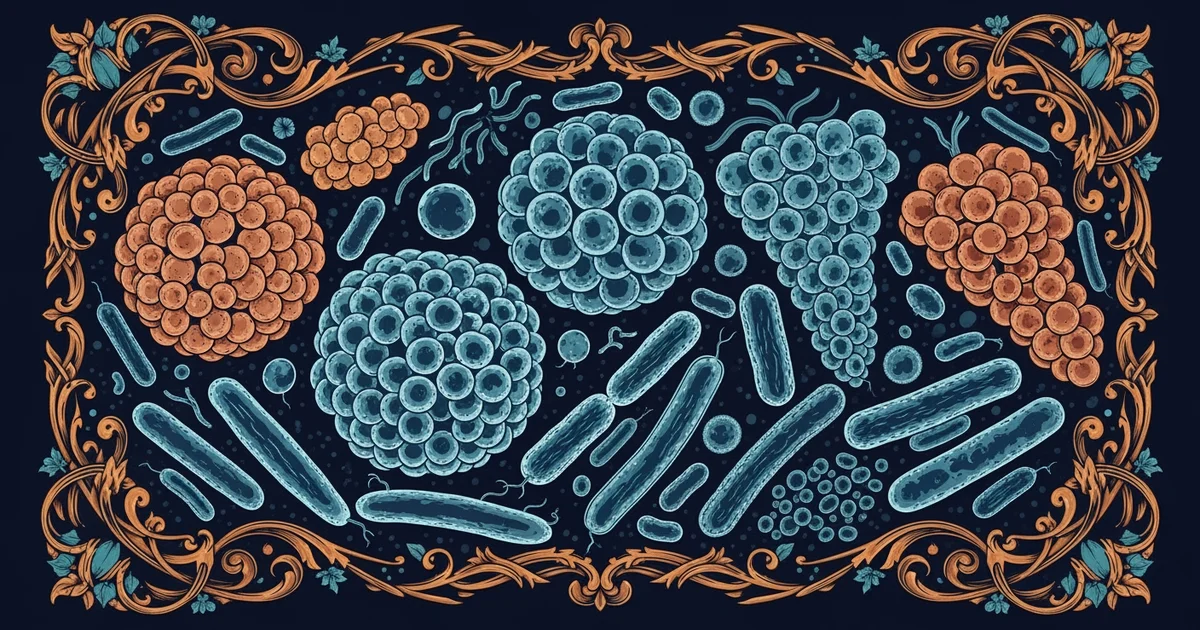
The Anatomy of Internal Defense
When a foreign invader like a bacterium breaches the skin, the body launches an immediate response. The immune system uses specialized cells to identify and neutralize these threats before they cause widespread harm. Think of these cells as security guards patrolling a city, constantly scanning for unauthorized visitors. When a guard spots a pathogen, it alerts the rest of the team to begin a coordinated takedown. This process happens silently and rapidly, ensuring that most threats are eliminated before you even feel unwell.
Key term: Pathogen — a microscopic organism, such as a bacterium or virus, that causes disease in its human host.
These guards, known as white blood cells, move through your bloodstream and tissues to find invaders. They act as the primary defenders, using different methods to capture and destroy harmful particles. Some cells function like scouts, identifying the specific signature of the invader, while others act as soldiers that physically engulf and digest the enemy. This division of labor ensures that the body remains protected against many different types of threats simultaneously. Without these vigilant cells, even a minor scrape could become a dangerous medical emergency for any individual.
Mechanisms of Neutralization
Once the threat is identified, the immune system engages specific tactics to clear the infection from the area. This process often involves inflammation, which brings more blood and immune cells to the site of the injury. You can compare this to a city closing off a street to catch a criminal, which causes temporary traffic delays but keeps the rest of the area safe. The goal is to isolate the pathogen, preventing it from spreading to other parts of the body while the cleanup occurs.
There are several key types of white blood cells that work together to maintain health:
- Phagocytes patrol the body, seeking out and consuming invaders by wrapping their cell membranes around them until they are trapped inside.
- Lymphocytes provide a more targeted response by recognizing specific pathogens based on past encounters, which allows for a much faster reaction.
- Basophils release chemical signals that increase blood flow to the site of an infection, which helps other immune cells reach the target quickly.
These cells do not work in isolation, but rather communicate through complex chemical signals that coordinate the entire defense. When a phagocyte consumes an invader, it often displays a piece of the pathogen to other cells, effectively showing them what the enemy looks like. This communication allows the immune system to build a specialized defense that is perfectly tuned to the current threat. This biological intelligence ensures that the body can adapt to new challenges over time, effectively learning how to better protect itself against future encounters.
| Cell Type | Primary Function | Defense Strategy |
|---|---|---|
| Phagocyte | Engulf pathogens | Physical ingestion |
| Lymphocyte | Targeted response | Specific recognition |
| Basophil | Signal release | Increased blood flow |
By utilizing these diverse strategies, the body maintains a robust barrier against the constant pressure of the microbial world. Each cell plays a unique part in this grand defense, ensuring that the internal environment remains stable and secure. The efficiency of this system depends on the constant movement and communication of these cells throughout the entire body. As research continues to uncover the details of this process, it becomes clear that human survival relies heavily on these invisible, tireless workers. This content is educational only and does not constitute medical advice. Always consult a qualified healthcare professional for personal health decisions.
The immune system functions as a highly organized security network that uses specialized cells to detect, isolate, and neutralize microscopic threats before they compromise human health.
The next Station introduces antibiotic resistance mechanics, which determines how modern medicine changes when pathogens evolve to bypass these natural immune defenses.