
The Human Microbiome
Imagine a bustling city that functions perfectly because every resident performs a specific, essential job. The human body houses a similar metropolis of microscopic residents that work around the clock to maintain our internal stability. These tiny organisms occupy various spaces within the body, forming a complex community that influences everything from digestion to immune defense. Most people recognize that microbes exist, yet few realize these guests are not just accidental passengers. Instead, they act as active partners in the daily survival of the host organism, providing services that the body cannot perform alone.
The Function of Microbial Communities
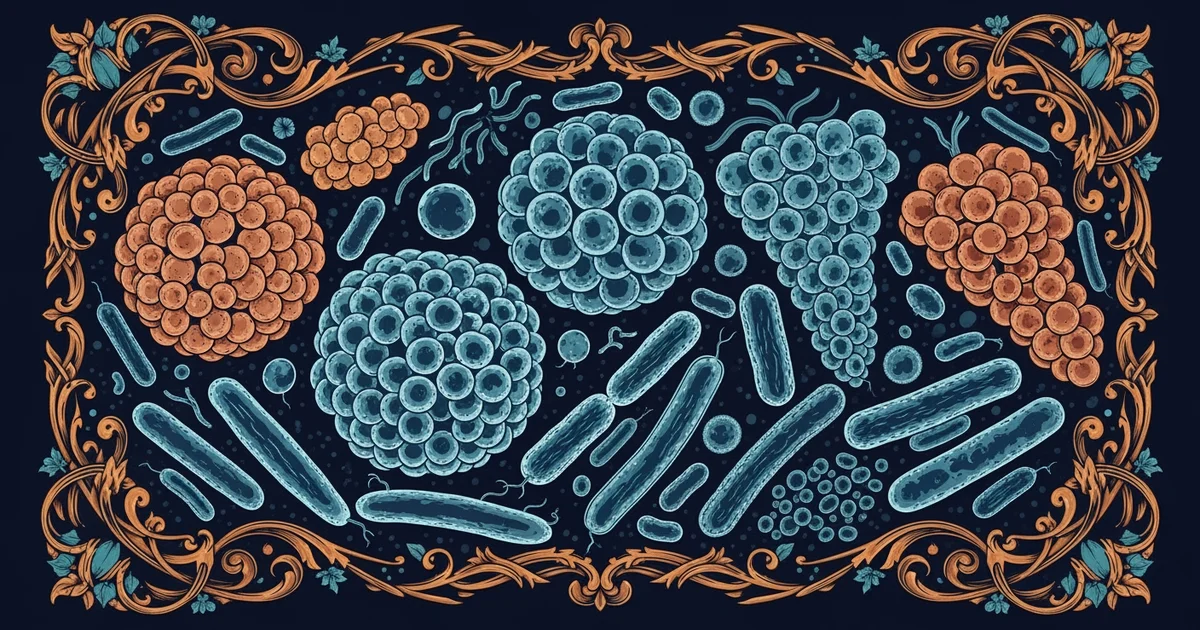
When we look at the internal landscape, we find a diverse collection of bacteria, fungi, and viruses living in harmony. This ecosystem, known as the human microbiome, acts much like a specialized workforce in a large factory. Just as a factory requires different departments to manage raw materials and dispose of waste, the body relies on these microbes to process nutrients. Research suggests that these organisms break down complex fibers that human enzymes cannot touch, turning them into energy sources for the body. Without this constant labor, the digestive system would struggle to extract the full nutritional value from the food consumed every single day.
Key term: Microbiome — the collective community of microorganisms living in a specific environment, such as the human gut or skin.
Beyond simple digestion, these microbes serve as the first line of defense against unwanted invaders. They occupy physical space and consume available resources, making it difficult for harmful outsiders to gain a foothold. Think of this process like a crowded theater where every seat is taken by a regular patron. Because every spot is filled, an intruder cannot find a place to sit or start a disturbance. This competitive exclusion prevents dangerous bacteria from colonizing the digestive tract, effectively protecting the host from potential illness through simple presence alone.
Categorizing Microbial Roles
While most of these residents provide helpful services, the body must distinguish between these partners and potential threats. We categorize these microscopic entities based on their impact on health, separating those that support life from those that cause damage. The following table illustrates the primary distinctions between these different types of microbial residents:
| Category | Primary Role | Health Impact |
|---|---|---|
| Symbiotic | Nutrient processing | Highly beneficial |
| Commensal | Space occupation | Neutral to helpful |
| Pathogenic | Tissue invasion | Potentially harmful |
It is important to note that the classification of a microbe often depends on its location within the body. A bacterium that helps digest food in the gut might cause severe issues if it enters the bloodstream. This realization highlights how the body maintains strict borders to keep these communities in their designated zones. When these barriers remain intact, the body and its microscopic workforce exist in a state of balance. If these borders break down, the immune system must intervene to remove the threat and restore order to the internal environment.
Understanding these interactions requires us to view the human body as a complex, shared habitat rather than a solitary unit. Each person carries trillions of these organisms, and their collective activity shapes our overall wellness in ways we are only beginning to understand. As we continue to study these connections, we learn that our health is a collaborative effort between our own cells and our microscopic residents. This partnership is not optional, as the survival of the host depends entirely on the stability of this internal community. The challenge for modern science involves learning how to support these beneficial residents while preventing the growth of those that disrupt our delicate internal peace.
The human microbiome functions as a vital, collaborative workforce that sustains health by processing nutrients and blocking harmful invaders from gaining a foothold.
Future study will explore how specific bacterial structures allow these microbes to attach to our tissues without triggering an immune response.
This content is educational only and does not constitute medical advice. Always consult a qualified healthcare professional for personal health decisions.