
Cytokine Storms and Damage
Imagine a local fire station sending every single truck to a small kitchen flame. The massive response causes more water damage than the fire itself ever could have. This scenario mirrors how the body reacts when immune signals spiral out of control during a health crisis. When the immune system detects a threat, it releases chemical messengers to coordinate a defensive response. These messengers, known as cytokines, act like emergency dispatchers for the body's defense teams. Under normal conditions, these signals remain balanced and focused on the specific site of an infection or injury. However, when this communication loop breaks down, the body enters a state of dangerous overreaction.
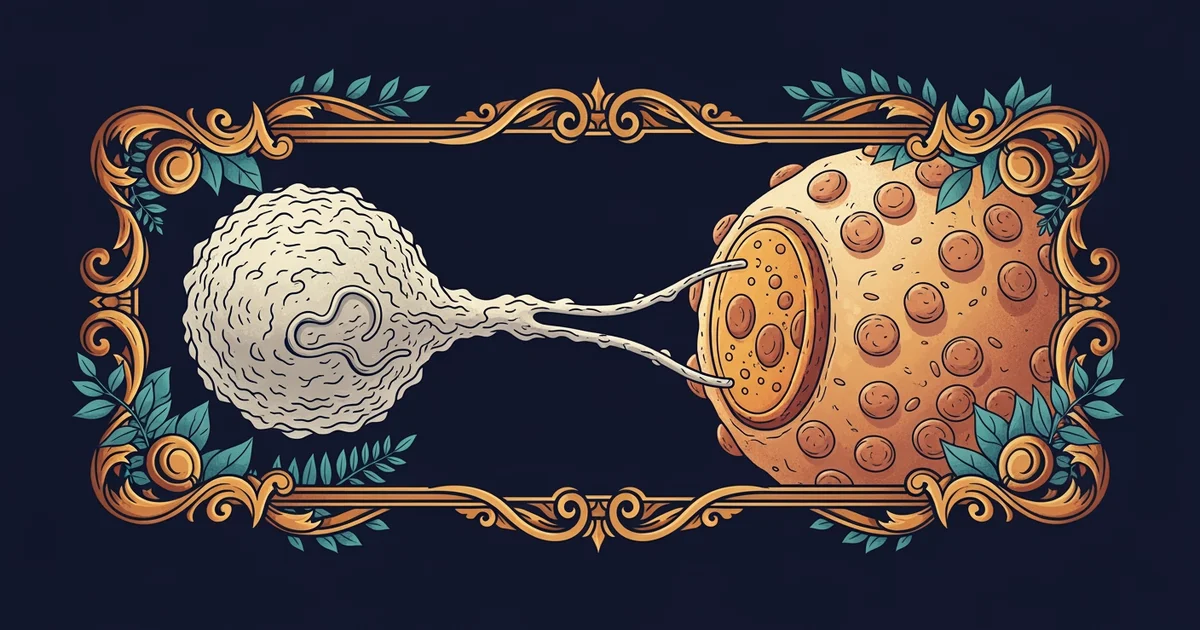
The Mechanics of Immune Overload
When the immune system triggers a massive release of these proteins, it creates a feedback loop that researchers call a cytokine storm. This event happens because the body cannot effectively turn off the alarm once it starts ringing. Instead of stopping after the threat is neutralized, the immune cells continue to flood the area with inflammatory signals. This continuous flow recruits more cells to the site, which then release even more signaling proteins. The process becomes self-sustaining, leading to widespread inflammation that harms healthy tissues instead of protecting them. This excessive response often leads to organ failure because the body is effectively attacking itself in a misguided attempt at protection.
Key term: Cytokine storm — an uncontrolled and excessive release of inflammatory proteins that causes severe damage to healthy tissues.
Several factors contribute to this dangerous escalation of the immune response within the human body:
- The rapid recruitment of white blood cells creates a physical blockage that prevents oxygen from reaching healthy tissues effectively.
- Excessive chemical signals cause blood vessels to leak fluid into surrounding spaces, which leads to dangerous swelling and organ dysfunction.
- The prolonged exposure to inflammatory proteins forces healthy cells into premature death, which depletes the body's ability to repair itself.
Consequences of Unregulated Inflammation
When this systemic inflammation persists, the cumulative damage to organs becomes difficult to reverse or manage. The body relies on a delicate balance of signals to maintain health, but a storm disrupts this equilibrium entirely. This disruption forces the body to prioritize immediate defense over long-term tissue maintenance and repair. Because the signaling proteins travel through the bloodstream, the damage is rarely limited to one location. It often impacts multiple organ systems simultaneously, creating a complex clinical challenge that requires precise intervention. Understanding this mechanism helps explain why some conditions manifest as systemic failures rather than localized issues.
| Feature | Normal Response | Cytokine Storm |
|---|---|---|
| Signal Level | Controlled | Excessive |
| Duration | Short-lived | Prolonged |
| Tissue Impact | Minimal | Widespread |
This table highlights the stark differences between a healthy immune reaction and the destructive cycle of a storm. In a normal state, the body uses these signals to clear a threat before returning to a baseline level of function. During a storm, the lack of a stop signal prevents the body from returning to this baseline. This persistent state of high alert exhausts the internal resources needed for recovery. By recognizing these patterns, scientists can better understand why certain immune pathways lead to permanent damage. This knowledge is essential for developing ways to dampen the signal without compromising the overall ability to fight off future threats.
A cytokine storm represents a failure of the body to regulate its defense signals, leading to widespread damage that often exceeds the harm caused by the original threat.
But what does it look like when this systemic overreaction manifests as a chronic disease in the daily life of a patient?
This content is educational only and does not constitute medical advice. Always consult a qualified healthcare professional for personal health decisions.