
Autoantibody Production Paths
Imagine a security system that suddenly starts flagging every person entering the building as a dangerous intruder. This malfunction creates chaos because the system cannot distinguish between friendly staff and actual threats, leading to unnecessary lockdowns and damage to daily operations. When the human body experiences a similar breakdown, it begins to produce harmful proteins that target healthy cells instead of foreign invaders. Understanding how these substances emerge helps explain why the immune system sometimes turns against the very body it was designed to protect.
The Origin of Immune Misidentification
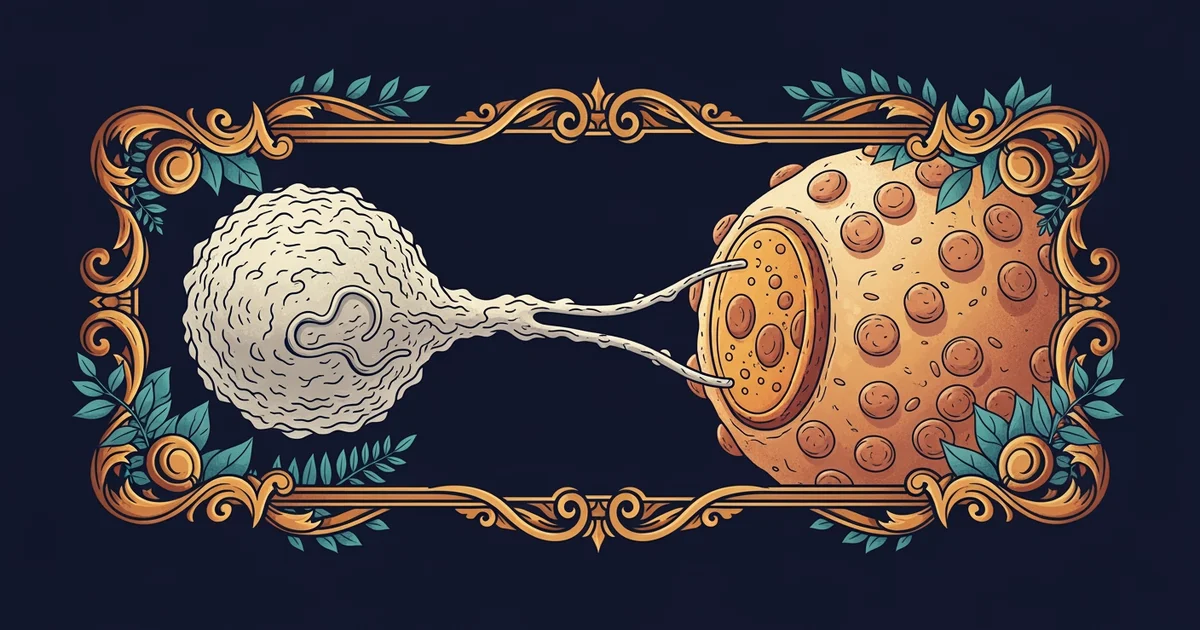
Immune cells usually patrol the body to identify markers on the surface of invading bacteria or viruses. This process relies on a precise recognition system that ensures the body only attacks external threats while leaving native tissues alone. Problems arise when these cells encounter a structural mimicry event, where a foreign protein looks nearly identical to a protein found naturally within the body. The immune system, acting like a cautious guard, marks the healthy protein as a target because it resembles the enemy. This initial mistake triggers the production of autoantibodies, which are specific proteins built by the immune system to bind to and attack the body's own healthy tissues.
Key term: Autoantibodies — proteins created by the immune system that mistakenly target and attack the body's own healthy cells or tissues.
Once these proteins are produced, they circulate through the bloodstream, seeking out the structures they were programmed to identify. This process is much like a bank teller who misreads a faulty account number and accidentally freezes the wrong savings account. Because the immune system is designed to be highly effective, it does not stop at one target; it continues to produce more of these proteins as long as the faulty signal persists. The body then launches a full-scale inflammatory response against its own components, leading to tissue damage and chronic health challenges.
Pathways of Antibody Development
Several distinct mechanisms explain how the immune system transitions from a protective state to an attacking state. Researchers observe that these pathways often involve a breakdown in the quality control checkpoints that usually prevent immune cells from maturing if they react to "self" markers. When these checkpoints fail, the body develops a population of reactive cells that are ready to launch an assault at a moment's notice.
The progression of these reactive pathways typically follows a logical sequence:
- Initial exposure to a trigger, such as a virus or environmental toxin, initiates a strong immune response that accidentally includes healthy cells in the crossfire.
- B-cells, which are responsible for creating antibodies, undergo a mutation process that makes them hypersensitive to the specific protein structures identified during the initial trigger event.
- The immune system loses its ability to suppress these reactive B-cells, allowing them to multiply and produce large quantities of harmful proteins throughout the body.
- Chronic inflammation develops as these proteins attach to healthy organs, signaling other immune components to arrive and cause localized damage.
| Mechanism Type | Primary Trigger | Resulting Action | Potential Impact |
|---|---|---|---|
| Molecular Mimicry | Viral Protein | Cross-reaction | Tissue inflammation |
| Epitope Spreading | Cell Damage | Expanded target list | Chronic degradation |
| Checkpoint Failure | Genetic Signal | Unchecked growth | Systemic autoimmunity |
These mechanisms demonstrate that the production of harmful antibodies is rarely a sudden event but rather a series of cascading errors. When the body loses its ability to distinguish between self and non-self, it inadvertently creates a self-sustaining cycle of destruction. This internal conflict remains a central focus for those studying how to restore balance to the immune system. By identifying the specific pathways that lead to this misidentification, experts hope to find ways to stop the production of these harmful proteins before they cause widespread damage to vital organ systems.
The immune system initiates damage when it misidentifies healthy tissue as a threat, triggering a cycle of protein production that treats the body like an external invader.
But what does it look like in practice when these proteins trigger a full-scale inflammatory response across the body?
This content is educational only and does not constitute medical advice. Always consult a qualified healthcare professional for personal health decisions.