
Infection and Mimicry
Imagine a security guard who recognizes a criminal by a specific red hat. If a person wearing an identical red hat walks into the building, the guard might block them from entering. This mistake happens because the guard focuses on the accessory rather than the actual person. The immune system sometimes makes this exact error when fighting off foreign invaders like viruses. It identifies a small part of the virus and creates a defense strategy based on that single shape. When the body encounters healthy tissue that shares a similar shape, the immune system launches an attack. This process is known as molecular mimicry and explains why infections can sometimes trigger internal health issues.
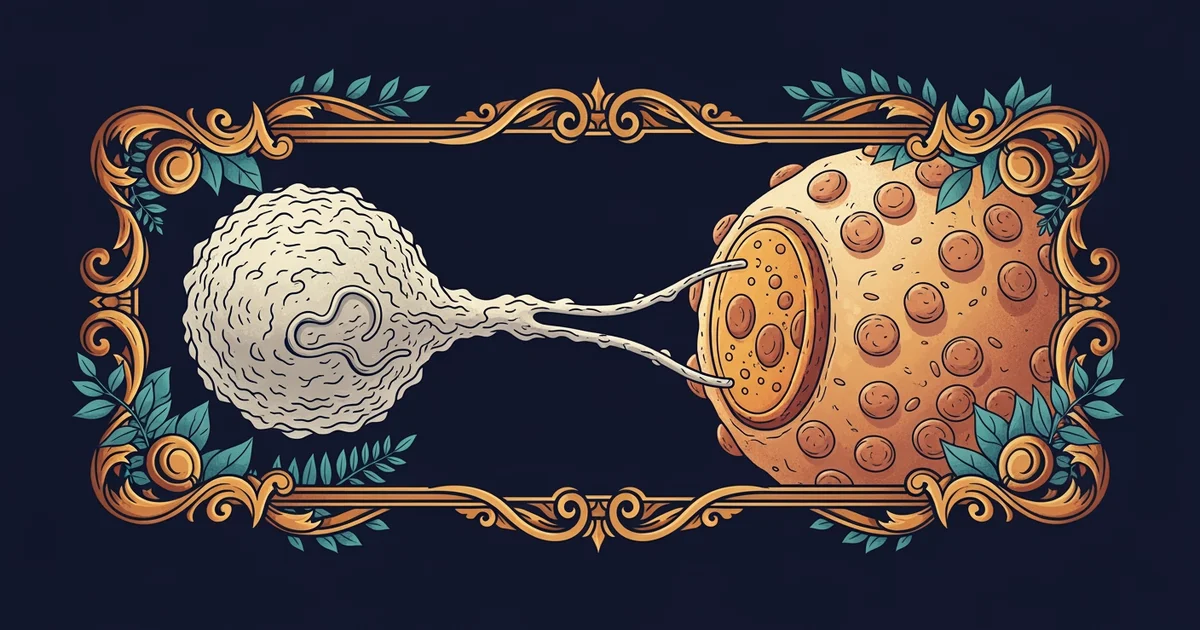
The Mechanism of Cross-Reactivity
When the immune system encounters a new pathogen, it creates specialized proteins called antibodies to neutralize the threat. These antibodies are designed to lock onto specific shapes found on the surface of the virus or bacteria. This is a precise process, but it is not always perfect in its execution. If a piece of the invader looks like a protein found in human organs, the immune system may get confused. This phenomenon is called cross-reactivity because the immune response crosses over from the target to the healthy host tissue. The body essentially loses its ability to distinguish between the invader and its own cells during this intense defensive reaction.
Key term: Cross-reactivity — the process where an immune response intended for a foreign pathogen accidentally targets similar-looking healthy cells.
Research indicates that this confusion is not intentional but rather a byproduct of biological overlap. The immune system works on a principle of pattern recognition rather than total identification of every single cell. If the overlap is significant enough, the immune system treats the healthy tissue as a legitimate threat. This often leads to inflammation as the body attempts to clear away what it perceives as an infection. While the infection might eventually clear, the immune system may remain in a state of high alert. This creates a situation where the body continues to attack its own structures long after the initial virus is gone.
Factors Influencing Immune Confusion
Several factors determine whether an infection will lead to this type of identity crisis within the body. The genetic background of an individual plays a major role in how the immune system perceives these shapes. Some people have immune systems that are naturally more sensitive to subtle differences in patterns. Additionally, the intensity of the initial infection can influence the likelihood of a cross-reactive response. A stronger infection often results in a more aggressive production of antibodies. This high volume of defensive proteins increases the chances that some will accidentally bind to healthy tissue. The following table highlights how different stages of infection contribute to this specific risk profile:
| Infection Stage | Immune Activity | Risk Level | Potential Outcome |
|---|---|---|---|
| Initial Exposure | High production | Low | Clear pathogen |
| Peak Response | Massive release | Moderate | Cross-reactivity |
| Post-Infection | Declining levels | High | Tissue damage |
Understanding these stages helps explain why symptoms might appear well after a person feels recovered from an illness. The immune system does not simply switch off the moment the virus disappears. It requires time to reset its sensitivity levels and stop the production of those specific antibodies. If the body remains stuck in this loop, the inflammation persists as a chronic health challenge. This is why timing is such a critical component of immune health and recovery. The body needs to regulate its own defensive output to prevent long-term damage to its own healthy systems.
The immune system can trigger internal damage when it mistakes healthy body tissues for foreign invaders that share similar physical patterns.
The next Station introduces chronic inflammation dynamics, which determines how molecular mimicry results in sustained damage to the body.
This content is educational only and does not constitute medical advice. Always consult a qualified healthcare professional for personal health decisions.