
Chronic Inflammation Dynamics
Imagine a home alarm system that triggers a loud siren because of a small breeze. If the alarm never stops ringing, the constant noise eventually damages the internal wiring of the house itself. This scenario mirrors how the human body functions when the immune system remains stuck in a state of high alert. While a short burst of defense helps the body recover, a long-term response creates significant internal wear and tear.
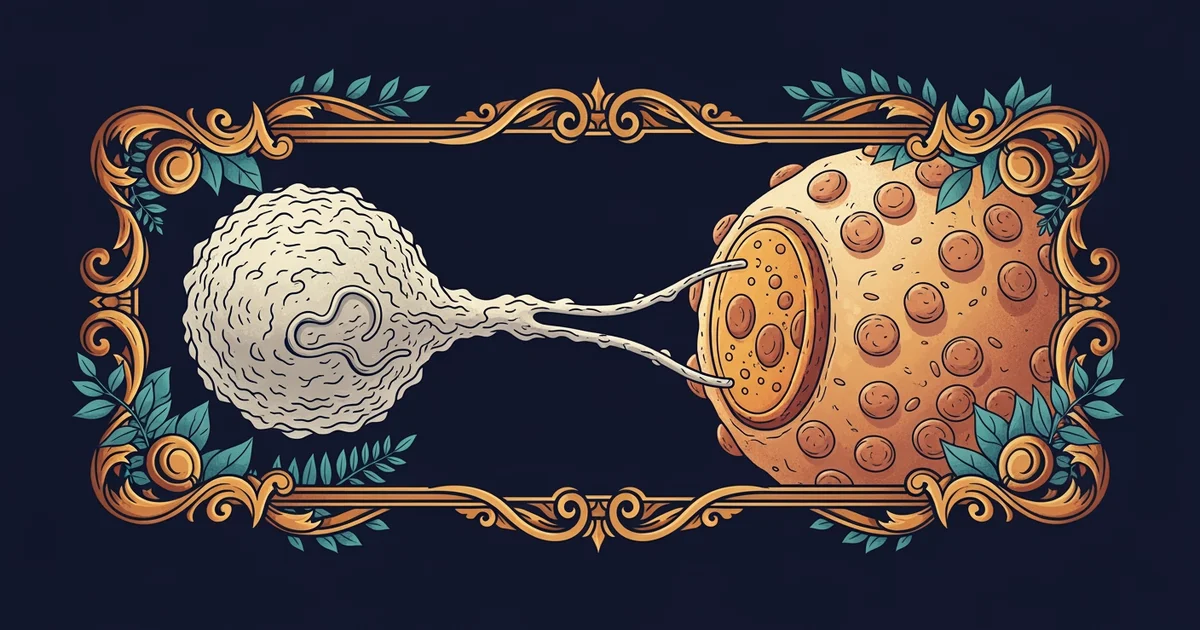
Understanding Persistent Immune Activation
When the body encounters a threat, the immune system launches a protective mission to isolate and destroy the invader. This process, known as chronic inflammation, occurs when that defense system fails to turn off once the danger has passed. Instead of returning to a resting state, the body continues to release powerful chemicals that damage healthy cells. Research suggests that this persistent state of activation forces the body to stay in a mode of constant repair, which slowly exhausts the available resources needed for daily maintenance.
Key term: Chronic inflammation — a prolonged and dysregulated immune response where the body remains in a state of constant, damaging internal activity.
In this state, the body cannot distinguish between a temporary challenge and a permanent threat. Think of the immune system like a security guard who refuses to leave his post even after the building is secure. Because the guard remains tense, he begins to view every harmless movement as a potential attack. This hyper-vigilance leads to the unnecessary destruction of healthy tissue, as the very tools intended for protection start to dismantle the structures they were meant to defend.
The Impact of Ongoing Biological Stress
When the body remains in this state for months or years, the cumulative damage begins to affect organ function and systemic health. This process is not just about the initial trigger, but about the inability of the immune system to reset its internal clock. Evidence shows that persistent signaling pathways keep the inflammatory process active, which prevents the tissues from undergoing the necessary healing phases. The following table highlights how different aspects of the body respond to this state of constant, low-level internal stress:
| Body System | Response to Inflammation | Long-term Consequence |
|---|---|---|
| Blood Vessels | Constant chemical exposure | Hardening of the walls |
| Joint Tissues | Breakdown of protective pads | Reduced mobility levels |
| Metabolic Rate | Shift in energy allocation | Disrupted fuel processing |
These changes demonstrate that the body is not designed to support a high-intensity defense for long periods. Every system within the organism relies on a delicate balance between active response and passive recovery. When the inflammatory process does not conclude, the body shifts its energy away from vital growth and maintenance tasks. This diversion of resources explains why individuals experiencing these states often feel a general sense of fatigue and physical decline.
To manage these dynamics, it is helpful to view the body as a complex network that requires cycles of rest. If the signal to stop the defense is ignored, the internal environment becomes increasingly hostile to healthy growth. Understanding this mechanism is the first step toward recognizing how the body maintains its own stability through careful regulation of its internal chemical signals. The goal for the body is always to return to a state of balance, but chronic inflammation creates a cycle that makes that return difficult to achieve without intervention.
Chronic inflammation acts as a persistent alarm that causes the body to damage itself by failing to turn off the defensive response after the threat is gone.
The next Station introduces T-Cell Dysfunction Mechanics, which determines how specific immune cells lose their ability to regulate this inflammatory process. This content is educational only and does not constitute medical advice. Always consult a qualified healthcare professional for personal health decisions.