
Introduction to Autoimmunity
Imagine a security guard who suddenly forgets which visitors belong in a building and starts blocking everyone from entering. This mistake causes a massive disruption because the guard stops the very people who are meant to be inside working. A similar confusion happens in the body when the immune system loses its ability to recognize healthy cells. This breakdown is the fundamental starting point of what scientists call autoimmunity, where the body treats its own parts like dangerous foreign invaders.
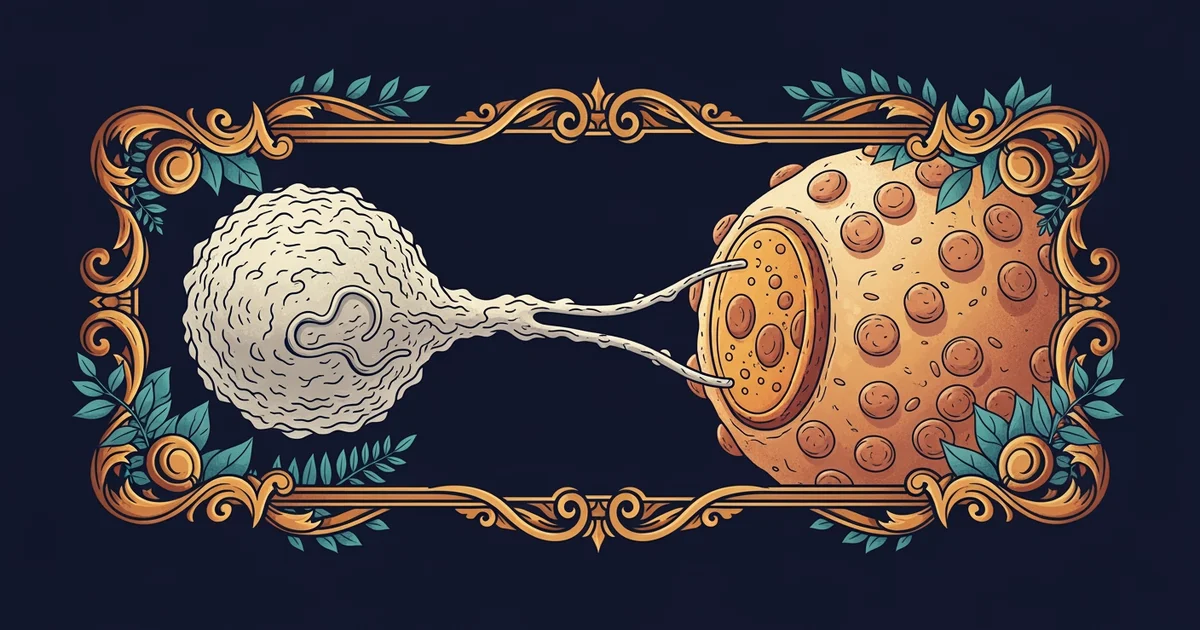
The Breakdown of Immune Tolerance
Every healthy person relies on a process called immune tolerance to keep their tissues safe from harm. This biological system acts like a master list that tells immune cells which parts of the body are friendly and which are outsiders. When this system functions well, the body ignores its own organs while attacking harmful germs like bacteria or viruses. However, autoimmunity occurs when this list becomes corrupted or the immune cells simply stop following the instructions provided to them. Researchers believe this failure occurs when the immune system misidentifies a normal protein as a threat, sparking a defensive reaction against perfectly healthy tissue.
Key term: Autoimmunity — a condition where the immune system misidentifies healthy body tissues as external threats and launches an attack against them.
This process is like a neighborhood watch program that stops patrolling for actual burglars and begins targeting the local residents instead. The residents are not doing anything wrong, yet the watch members treat their presence as a reason to cause conflict. This shift in behavior turns a protective force into a source of damage for the entire community. Because the immune system is designed to be powerful, its misplaced aggression can lead to significant inflammation and long-term harm to the very structures it was built to protect.
Identifying the Error in Recognition
When the immune system triggers this internal attack, it often targets specific areas based on complex biological signals that have gone wrong. Scientists observe that these attacks are not random, as they usually focus on specific types of cells or organs depending on the individual. The body tries to maintain balance through constant monitoring, but once the error occurs, it creates a cycle of damage that is difficult to stop. Understanding why this happens requires looking at how cells communicate their identity to the rest of the body through chemical markers.
To better understand the scale of these errors, we can compare how the immune system handles different types of targets:
- Foreign pathogens are recognized as non-self, triggering an immediate and necessary defense response to eliminate the threat.
- Healthy self-tissues are usually ignored due to tolerance, which prevents the body from damaging its own vital structures.
- Autoimmune errors occur when self-tissues are wrongly flagged as non-self, causing the immune system to attack the host.
These categories show that the immune system is essentially a binary decision-maker that relies on accurate information to function correctly. If the information about what constitutes self is compromised, the immune system defaults to its most aggressive setting. This aggression is meant for survival against external dangers, but it becomes destructive when directed inward. The challenge for medical science is finding ways to restore the original tolerance without leaving the body vulnerable to real infections from the outside world.
Autoimmunity represents a critical failure in the body's internal identification system that results in the immune system attacking the very tissues it is designed to protect.
The next step involves exploring how genetics influence the likelihood of these identification errors occurring within the body.
This content is educational only and does not constitute medical advice. Always consult a qualified healthcare professional for personal health decisions.