
T-Cell Dysfunction Mechanics
Imagine a security guard who suddenly decides that every single person entering the building is a dangerous intruder. This guard stops checking identification badges and begins blocking everyone from entering the lobby, causing total chaos within the workspace. When the body encounters similar issues with its immune defense, the results are equally disruptive for the person involved.
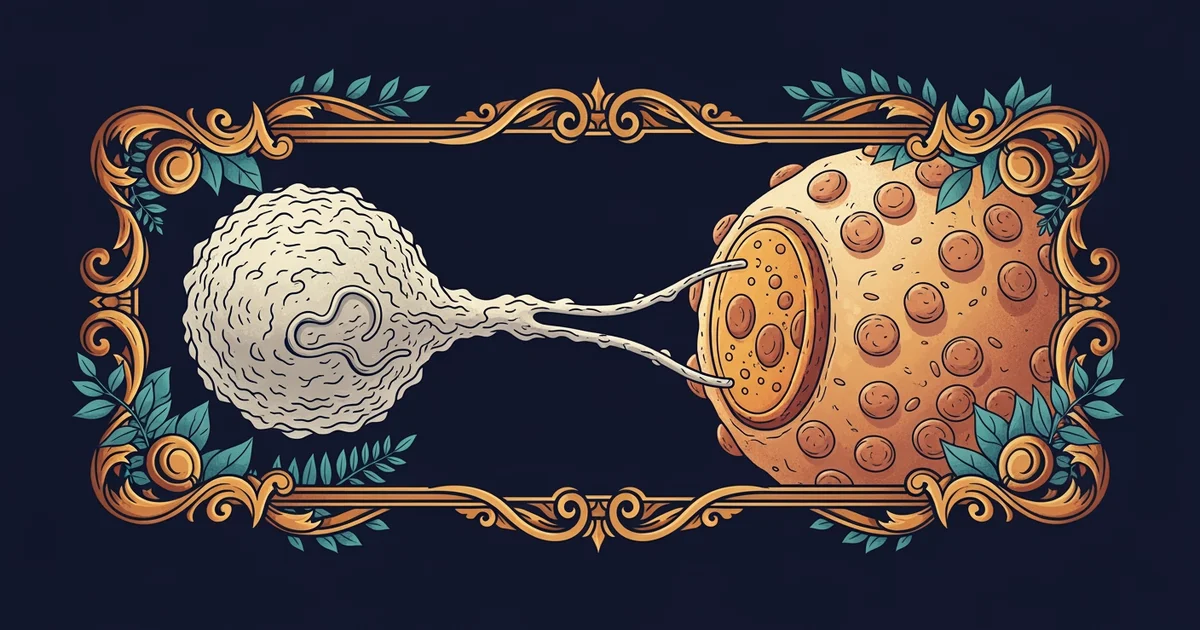
The Breakdown of Immune Surveillance
Immune regulation relies on the precise identification of foreign invaders versus the body's own healthy tissues. T-cells, which function as the primary investigators of the immune system, must undergo a rigorous training process to ensure they recognize only external threats. During this developmental phase, cells that react too strongly to the body's own markers are usually removed before they can enter the bloodstream. Dysfunction occurs when these faulty cells manage to escape this selection process and begin to patrol the body while carrying incorrect instructions for defense.
Key term: Central tolerance — the process during which immature immune cells are screened to ensure they do not react against the body's own healthy tissues.
Once these dysfunctional cells enter circulation, they remain in a state of readiness that is far too aggressive for normal health. They often misinterpret harmless proteins as dangerous pathogens, triggering a cascade of unnecessary defensive actions across various organ systems. This behavior resembles a faulty alarm system that detects a breeze as a burglar, causing the entire household to wake up in a panic every single night. The persistence of these cells means that the immune system never truly rests, as it remains locked in a cycle of constant, misdirected vigilance against the self.
Mechanisms of Cellular Error
When these investigators fail, they often lose their ability to distinguish between self-markers and foreign agents. This loss of clarity creates a situation where the immune system attacks healthy cells because it mistakes them for invading bacteria or viruses. Research suggests that certain genetic factors or environmental stressors can further confuse these cells, making them more likely to launch an attack on tissues that should be protected. This internal conflict creates chronic stress within the body, as the immune system works to fight an enemy that does not actually exist.
| Mechanism | Impact on Cell Behavior | Result for Health |
|---|---|---|
| Failed Selection | Cells recognize self as foe | Autoimmune activation |
| Regulatory Loss | Suppressor cells stop working | Unchecked inflammation |
| Marker Mimicry | Confusion with pathogens | Cross-reactive damage |
- Regulatory T-cell failure prevents the body from dampening the immune response once it has begun, which means the attack continues long after it should have stopped to allow for tissue repair.
- Cytokine signaling errors cause these cells to release chemical messages that recruit more immune forces to the site of the mistake, which amplifies the damage to healthy surrounding tissues significantly.
- Memory cell persistence ensures that once an error occurs, the body remembers the mistake and repeats the attack whenever it encounters the same healthy tissues in the future.
These errors do not happen in isolation, as the entire immune network often struggles to maintain order when its primary investigators are compromised. The body has secondary systems to shut down these rogue cells, but these systems often fail to keep up when the number of dysfunctional cells reaches a critical threshold. This imbalance forces the system to prioritize defense over maintenance, which eventually leads to the degradation of healthy tissues throughout the body.
Dysfunctional T-cells damage healthy tissues because they fail to distinguish between the body's own markers and harmful external pathogens.
But what does it look like in practice when these cells begin to target specific parts of the body?
This content is educational only and does not constitute medical advice. Always consult a qualified healthcare professional for personal health decisions.
Want this with sources you can check?
Premium Learning Paths for Medicine & Health Sciences are researched against open-access libraries — PubMed, arXiv, government databases, and more — with their distinctive claims cited to real sources and independently checked.
See what Premium includes