
Cross-Linguistic Sound Variation
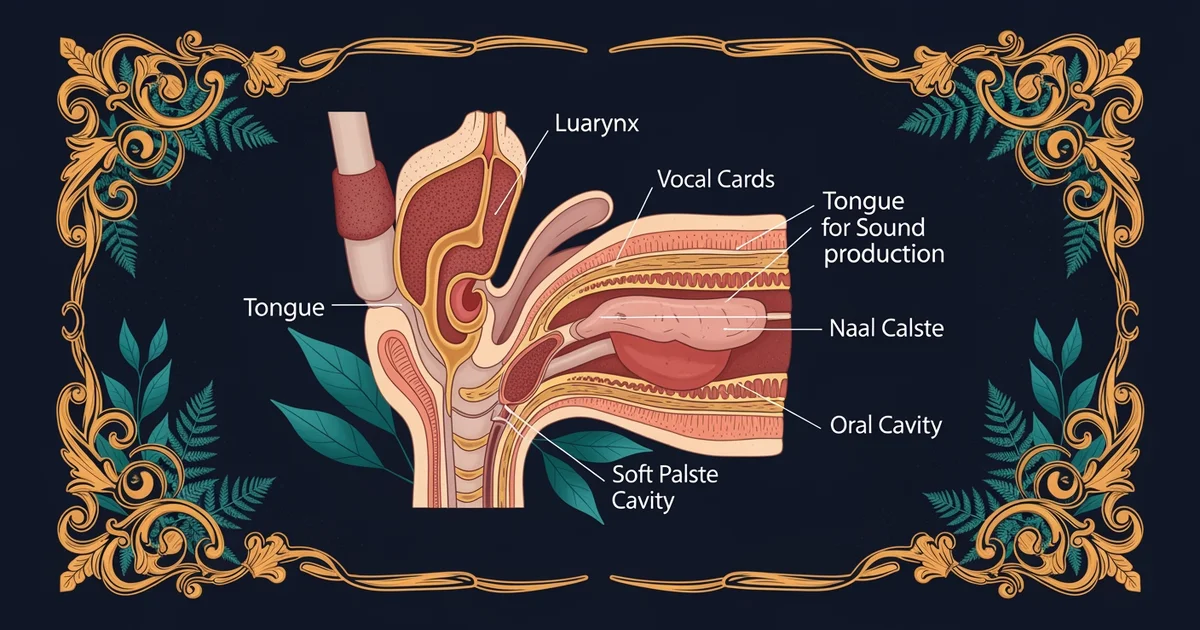
When a French speaker tries to say the English word "think," they often replace the "th" sound with a "z" or "s" sound. This happens because the specific physical movement required for that English sound does not exist in their native language inventory. This phenomenon shows how our brains filter the world through the sounds we learned during early childhood development. Language systems function like distinct toolboxes where each culture selects a different set of physical instruments to build their spoken words.
The Architecture of Sound Inventories
Every human language possesses a unique collection of speech sounds that speakers use to construct meaningful messages. Linguists call this collection a phonetic inventory, which acts as the complete list of available building blocks for that specific tongue. Some languages operate with a small group of sounds, while others utilize a vast array of complex vowels and consonants to differentiate meaning. This variation is not random but reflects the historical evolution of how communities communicate and share information within their social groups. Think of this like a chef choosing between a limited set of high-quality spices or a massive pantry filled with hundreds of exotic ingredients. Both approaches allow the chef to create a delicious meal, but the final flavor profile depends entirely on the tools selected for the kitchen.
Key term: Phonetic inventory — the complete set of distinct sounds that a specific language uses to form its words and convey meaning.
When we compare these inventories globally, we discover that certain sounds appear frequently across many unrelated languages, while others remain rare. For example, most languages include simple stops like "p," "t," and "k" because these sounds are easy for the human vocal tract to produce reliably. Rare sounds, such as the clicks found in some southern African languages, require highly specific tongue movements that are difficult to master for adults who did not grow up practicing them. This distribution suggests that human languages prioritize efficiency and clarity while balancing the physical limitations of our mouths and throats.
Patterns in Global Sound Variation
Language systems often follow predictable patterns when they organize these sound inventories into functional groups. We can observe these patterns by comparing how different cultures categorize their vowels and consonants based on where they occur in the mouth. The following table illustrates how three distinct languages distribute their primary vowel sounds across common articulatory spaces:
| Language | High Vowels | Mid Vowels | Low Vowels |
|---|---|---|---|
| Spanish | i, u | e, o | a |
| English | i, ɪ, u, ʊ | e, ə, o | æ, ɑ, ʌ |
| Hawaiian | i, u | e, o | a |
This comparison demonstrates that English maintains a much larger set of vowel distinctions than Spanish or Hawaiian, which simplifies the vowel space significantly. Because English speakers must distinguish between sounds like "bit" and "beat," their auditory processing becomes highly tuned to subtle variations in pitch and duration. Speakers of languages with smaller inventories might find these English distinctions unnecessary or even confusing during the learning process. This is the cross-linguistic variation concept from Station 11 working in real conditions, as it explains why some learners struggle to hear differences that seem obvious to native speakers.
Understanding these variations helps us appreciate the incredible flexibility of the human brain when it interprets physical vibrations as language. We do not just hear raw noise; we map incoming waves onto the specific grid of sounds we learned during our formative years. This mapping process explains why adults often retain a foreign accent when they learn a second language later in life. Their brain is still trying to force new, unfamiliar sounds into the rigid categories of their original phonetic toolbox. By studying these differences, we gain a deeper insight into how culture and biology shape our ability to connect with one another through the power of speech.
Human language systems organize sound inventories differently to maximize communication efficiency within the specific physical and cultural constraints of each community.
But this model breaks down when we consider how digital speech synthesis technology attempts to replicate these diverse sound patterns without a human mouth.