
Fair Use Doctrine
When a student uploads a video remix of a popular film to a social platform, they often face sudden takedown requests from large media companies. This tension between creative expression and strict ownership rules creates a complex legal landscape for everyday digital creators. Under United States federal law, the Fair Use Doctrine acts as a crucial safety valve that permits limited use of copyrighted material without requiring permission from the original owner. This legal principle ensures that progress in art, science, and education remains possible even when strict property rights would otherwise block new, transformative works from ever reaching the public eye.
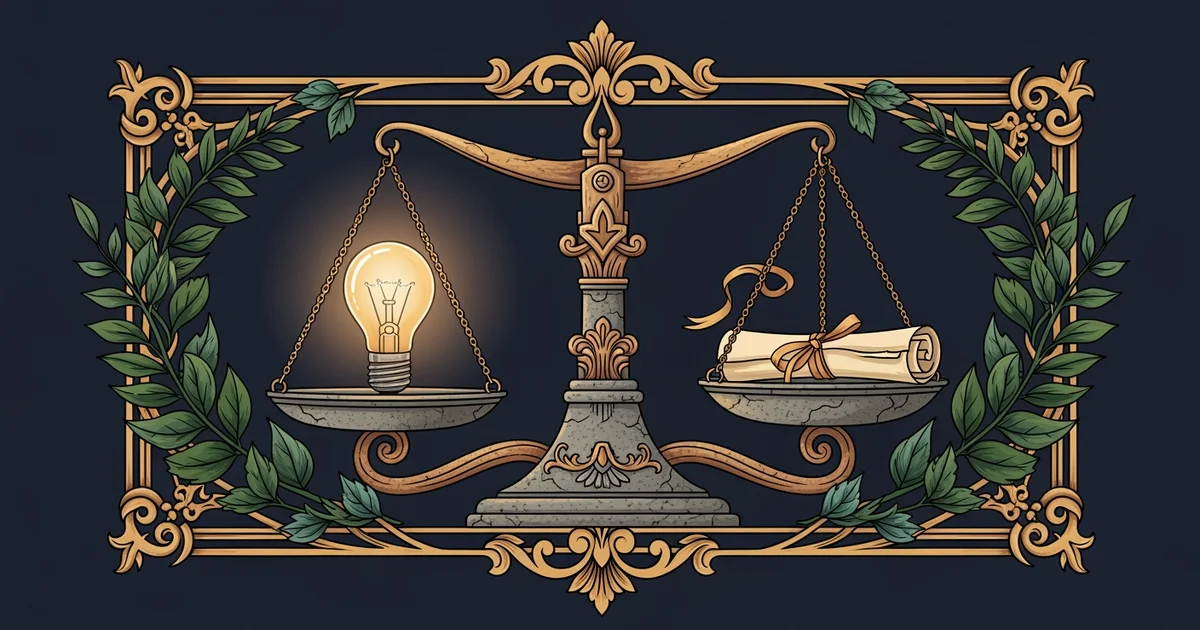
Evaluating the Four Factors of Fairness
To determine if a specific use qualifies as fair, courts examine four distinct factors that balance the rights of owners against public interests. The first factor considers the purpose and character of the use, specifically whether the new work is transformative or merely copies the original. If a creator adds significant new meaning or commentary, the use is more likely to be fair. The second factor looks at the nature of the copyrighted work, as using factual material is generally more permissible than using highly creative, fictional content. These categories help judges decide if the public benefit outweighs the potential loss of income for the original copyright holder.
Key term: Fair Use Doctrine — a legal rule that allows limited use of protected materials without permission for purposes like criticism, news reporting, or education.
The third factor measures the amount and substantiality of the portion used in relation to the whole work. Using a tiny clip to prove a point is far more acceptable than taking the most important "heart" of a movie to avoid creating your own content. Finally, the fourth factor analyzes the effect of the use upon the potential market for the original product. If a new work acts as a direct substitute that stops people from buying the original, the court will likely rule against the creator. This balance ensures that competition remains fair while protecting the economic incentives that drive original production.
The Analogy of the Library and the Critic
Think of the law like a massive public library where authors own the books they place on the shelves. You are allowed to walk into the library and quote a few lines from a book in your own research paper, but you cannot simply photocopy the entire novel and sell it as your own creation. This is the essence of fair use working in the real world: you can borrow small pieces to build your own unique argument, but you cannot steal the entire foundation of someone else's labor. If you could copy entire books, the original authors would stop writing because they could not make a living from their hard work.
| Factor | Focus Area | Goal of Analysis |
|---|---|---|
| First | Purpose | Check if work is transformative |
| Second | Nature | Determine if content is factual |
| Third | Amount | Assess how much of the work is used |
| Fourth | Market | Evaluate impact on potential sales |
These four factors provide a structured approach for creators to assess their own risks before publishing content online. While these rules provide a framework, they do not guarantee a specific result in a court of law. Every situation is unique, and courts often weigh these factors differently based on the specific evidence presented during a trial. Understanding these criteria helps you make informed decisions about when it is acceptable to use existing media in your own projects.
This content is educational only and does not constitute legal advice. Laws vary by jurisdiction. Consult a qualified legal professional for advice specific to your situation.
Fair use creates a flexible middle ground that protects the economic rights of original creators while fostering the growth of new, transformative cultural works.
But this model faces significant pressure in the digital age when global property treaties attempt to standardize these rules across different nations with conflicting cultural values.