
Stakeholder Perspectives
Imagine you are deciding whether to clear a local forest to build a new shopping center. You must weigh the potential for new jobs against the loss of local wildlife and clean air. Deep sea mining presents a similar dilemma for our planet on a much larger scale. We must navigate competing interests to decide if the risks are worth the rewards.
Understanding the Mining Industry Perspective
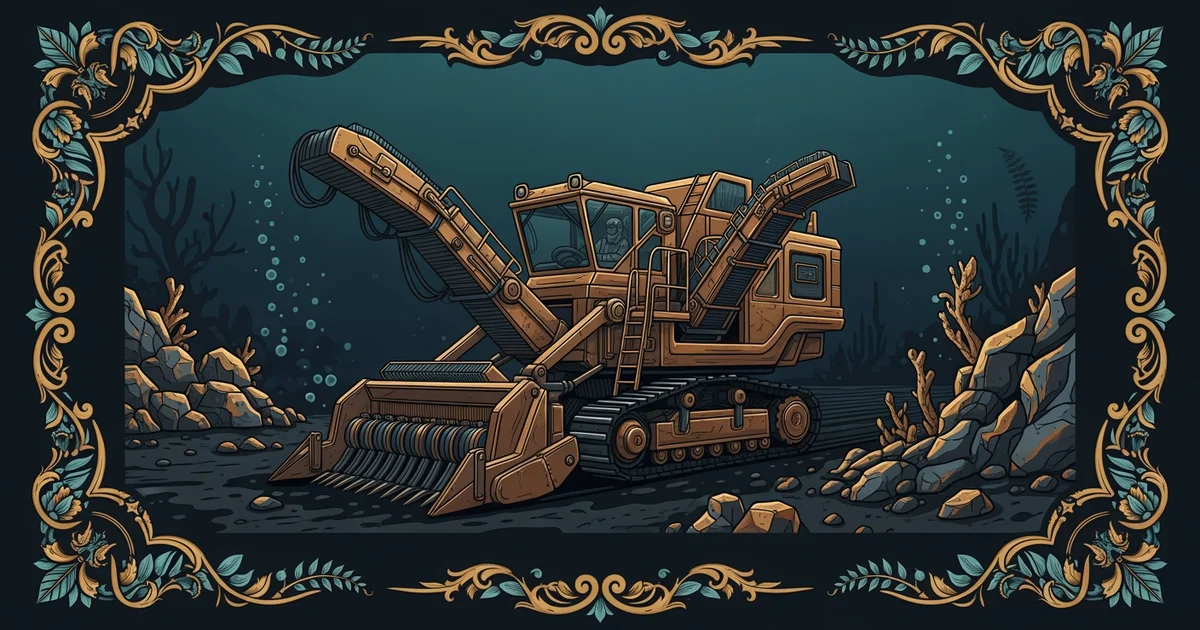
Mining companies argue that deep sea resources are essential for our modern technological advancement. They focus on finding deposits of rare minerals that are vital for building batteries and green energy tools. From their viewpoint, the ocean floor offers a way to secure these materials without harming people on land. They often compare the process to harvesting crops from a field that no one else currently uses. By extracting these minerals, they believe they can help global markets transition toward cleaner energy sources faster. These companies claim that strict oversight can minimize the impact on the ocean floor while providing resources that the world desperately needs for the future.
Key term: Stakeholders — individuals or groups who have a direct interest in the outcome of a decision or project.
These firms often emphasize that land-based mining creates massive social and environmental problems for local communities. They point to deforestation and human rights issues as reasons to shift our focus to the sea. They treat the ocean as an untapped warehouse of wealth that could stabilize the price of essential metals. For them, the economic benefits outweigh the environmental unknowns if they follow established safety protocols. They view the ocean as a resource that belongs to all of humanity if it is managed correctly. Their primary goal is to ensure a steady supply of materials for the global technology sector.
Environmental Protection and Conservation Concerns
Environmental groups counter these claims by highlighting the fragility of deep sea ecosystems. They argue that we do not know enough about the ocean to risk permanent damage to its structure. Think of the deep sea like an ancient, untouched library where we have only read the first page of the first book. If we start mining, we might destroy millions of species before we even learn their names or their roles. These groups worry that the process will create massive clouds of silt that choke marine life for hundreds of miles. They believe that the long-term cost to the planet is far greater than any short-term gain from mineral extraction.
| Stakeholder Group | Primary Motivation | Key Concern | View of the Ocean |
|---|---|---|---|
| Mining Companies | Economic growth | Resource security | A source of raw materials |
| Environmentalists | Ecosystem health | Habitat destruction | A fragile, unknown sanctuary |
| Global Regulators | Policy stability | Legal compliance | A shared global commons |
These organizations advocate for a precautionary approach that pauses all activity until we have complete data. They fear that industrial noise and light pollution will disrupt the natural cycles of animals living in the dark. They also worry that mining companies will prioritize profits over the health of the entire marine environment. Their main argument is that we should focus on recycling existing metals rather than invading new areas. They see the deep sea as a place that should remain protected from human interference for as long as possible.
- Transparency: Environmental groups demand that mining firms share all their research and data with the public immediately.
- Accountability: They insist that companies must pay for any damage caused to the ocean floor during their operations.
- Sustainability: They argue that true progress requires finding ways to live without depleting the last untouched parts of Earth.
By balancing these views, we can see that the debate is not just about minerals or money. It is about how we define our relationship with the planet and its hidden depths. Both sides believe they are acting in the best interest of the future world.
The controversy persists because stakeholders hold conflicting values regarding the necessity of resource extraction versus the preservation of unknown marine ecosystems.
The next Station introduces sediment plume dynamics, which determines how mining waste travels through the deep ocean.