
Future Marine Research
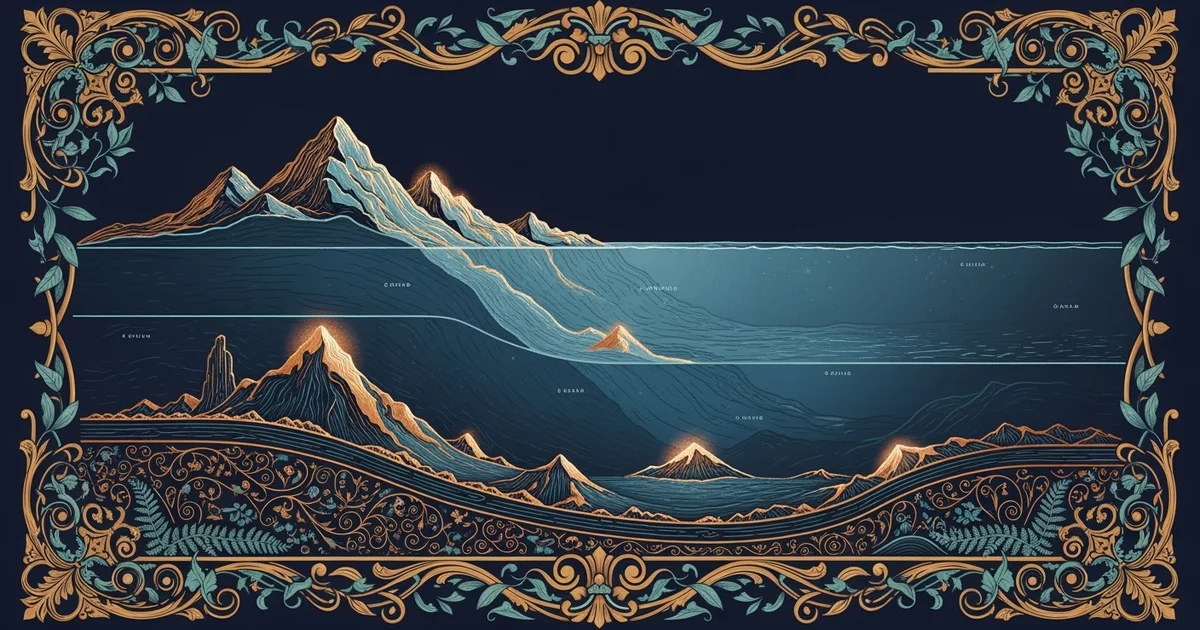
Deep ocean exploration currently faces a massive tension between the vast, unknown biological frontiers and our limited ability to reach them. While scientists have mapped the surface of distant planets, we still lack detailed knowledge of the dark, high-pressure environments beneath our own waves. This gap suggests that our future understanding of the planet depends on how we bridge the distance between human curiosity and extreme marine conditions.
Advancing Robotic Exploration
Future research relies heavily on the development of Autonomous Underwater Vehicles to scan the seafloor without human intervention. These machines act like high-tech scouts, roaming through freezing depths while gathering data that divers could never hope to collect. Think of these vehicles like a delivery drone that must navigate a dense, pitch-black forest while avoiding unseen obstacles and managing its limited battery supply. By using advanced sonar and pressure-resistant sensors, these robots build digital maps of hidden mountains and deep trenches. This process turns the chaotic, dark ocean into a structured landscape of data that researchers can analyze from their offices. As we refine these tools, we gain the ability to watch the behavior of deep-sea creatures in their natural habitat without disturbing their fragile lives. This shift toward robotics allows for longer missions that span months instead of hours, providing a constant stream of information about climate cycles and marine health.
Key term: Autonomous Underwater Vehicles — self-navigating robotic submersibles designed to conduct long-term research in deep-sea environments without direct human control.
Integrating Global Data Systems
Modern oceanography requires the integration of diverse data streams to understand how global systems function as a single unit. We now combine satellite imagery with real-time sensor data to track the movement of massive heat currents across the planet. This synthesis allows us to see how the hidden forces of the deep ocean shape the survival of every living creature on our blue planet. In our earlier stations, we explored how nutrient cycles and thermal regulation sustain life, but future research focuses on how these cycles react to rapid environmental changes. We must now organize this information into digital models that predict the future health of our ecosystem. The following table outlines the primary methods used to collect this critical information for global models:
| Research Method | Primary Function | Data Output Type |
|---|---|---|
| Satellite Scans | Surface mapping | Temperature maps |
| Deep-sea Buoys | Current tracking | Salinity levels |
| Robotic Gliders | Habitat sampling | Biological counts |
By comparing these three data sources, scientists can identify patterns that were previously invisible to human observers. This integration represents the next major step in our journey to protect marine biodiversity against the pressures of a warming world. We must ensure that these digital models remain accurate as we add new layers of environmental complexity to our global records.
Addressing Unresolved Scientific Questions
Despite these technological leaps, the scientific community still struggles with the mystery of how deep-sea organisms adapt to extreme pressures. We have yet to fully explain the biological mechanisms that allow life to thrive in the total absence of sunlight. This remains an open question that drives the next generation of marine research and exploration. If we can unlock these secrets, we might learn how to better manage the resources that the ocean provides to all human societies. The future of marine science depends on our willingness to invest in tools that can withstand the harshest conditions on Earth. Every discovery brings us closer to a complete picture of the interconnected systems that keep our world alive and healthy. We are moving from a phase of simple observation into an era of active, data-driven management of our oceans.
Future marine research combines autonomous robotic technology with global data synthesis to uncover the hidden biological and physical mechanisms that sustain life across our planet.
Understanding the future of marine research requires recognizing that our ability to protect the ocean relies on the seamless integration of robotic exploration and long-term global data collection.