
Albedo Feedback Loops
When a dark asphalt parking lot sits under the summer sun, it absorbs heat rapidly while a white concrete sidewalk stays much cooler. This everyday experience reveals how surface color dictates thermal energy absorption in our environment. Our planet functions much like that parking lot through a process called albedo, which describes the reflectivity of a surface. High albedo surfaces like fresh snow bounce most sunlight back into space, while low albedo surfaces like dark ocean water or bare soil soak up that energy as heat. This physical property acts as a primary controller for global temperature regulation by determining how much solar radiation stays within our atmosphere.
The Mechanism of Reflective Feedback
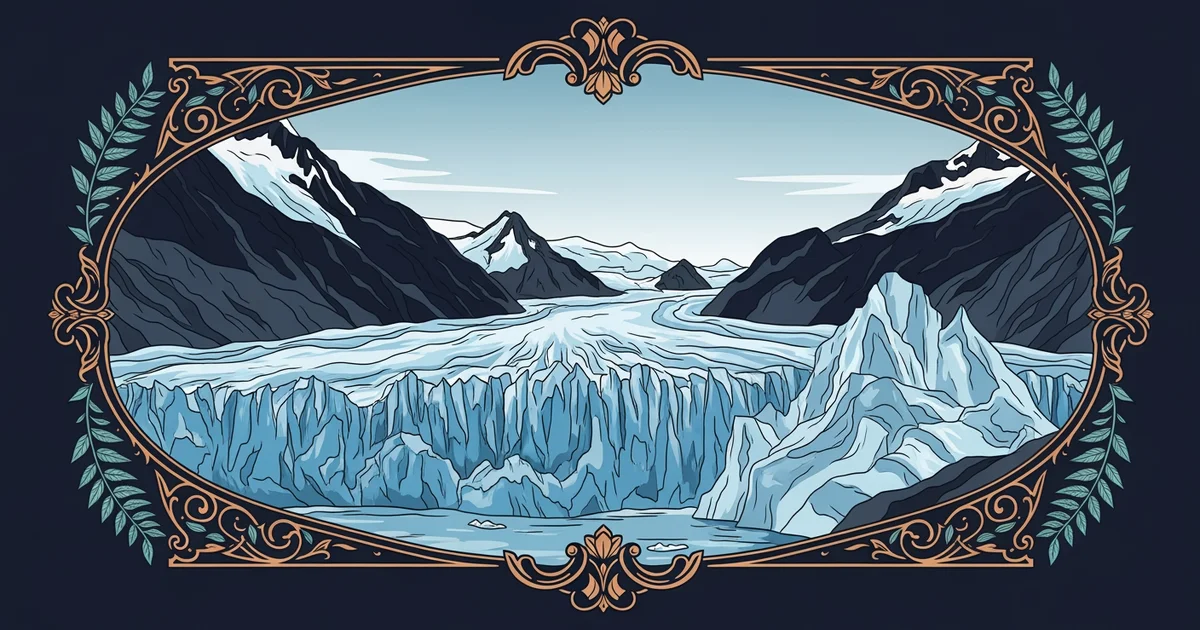
Because the Earth relies on this balance, any change in surface cover triggers a powerful cycle known as the ice-albedo feedback loop. When global temperatures rise slightly, polar ice sheets and mountain glaciers begin to melt away. This melting process exposes darker land or ocean surfaces that were previously hidden beneath the bright, reflective ice. These darker surfaces now absorb more incoming solar energy instead of reflecting it away from the planet. This extra heat causes more ice to melt, which reveals even more dark ground, creating a self-reinforcing cycle that accelerates warming across the entire globe.
Key term: Albedo — the measure of how much sunlight a surface reflects back into space rather than absorbing as heat energy.
This cycle functions similarly to a household budget where every extra dollar spent creates a new debt that requires even more spending. If you start with a high savings account of ice, the system remains stable and cool. Once you begin spending that capital, the resulting heat acts like interest on a loan that grows larger over time. The more ice you lose, the faster the remaining ice disappears because the environment becomes less efficient at reflecting heat. This feedback loop is not just a theoretical model but a physical reality that dictates the speed of modern climate change.
Surface Variations and Thermal Impact
Different types of terrain influence the climate in unique ways based on their individual reflective properties. Scientists categorize these surfaces to understand how land use changes impact regional heat retention. The following table illustrates how common surfaces compare in their ability to reflect sunlight back into the atmosphere:
| Surface Type | Reflectivity Level | Heat Absorption Effect |
|---|---|---|
| Fresh Snow | Very High | Minimal warming impact |
| Sea Ice | High | Keeps polar waters cool |
| Bare Soil | Moderate | Moderate heat retention |
| Open Ocean | Very Low | High solar energy intake |
These variations demonstrate why the loss of polar ice represents a critical tipping point for the planet. While a forest or a field might change the local temperature, the disappearance of reflective ice permanently alters the energy balance of the entire Earth system. When we replace a white, reflective surface with a dark, absorbent one, we effectively turn up the thermostat for the whole world. This shift is permanent until the ice can reform, which becomes increasingly difficult as the surrounding air and water temperatures continue to climb.
Understanding this process helps explain why polar regions warm much faster than the rest of the planet. As the ice retreats, the local environment loses its natural cooling shield. This creates a cascade effect where the warming of the water prevents new ice from forming during the winter months. Without that protective barrier, the summer sun has an even easier time heating the dark water below. This vicious cycle illustrates why the cryosphere is so vital to maintaining a stable climate for all life on Earth.
The ice-albedo feedback loop accelerates global warming by replacing reflective surfaces with absorbent ones that trap more solar heat.
But this model breaks down when we consider how cloud cover and atmospheric aerosols might temporarily mask these warming trends.