
Defining the Frozen World
Imagine standing on a massive sheet of ice while the wind chills your very bones. You look across a vast, white landscape that seems to stretch forever toward the horizon. This frozen world is not just a collection of cold rocks and snow piles. It is a complex, living system that regulates the temperature of our entire home planet. Understanding this environment helps us grasp how the Earth stays balanced and why these areas matter. We rely on this frozen shield to keep our global climate stable and predictable.
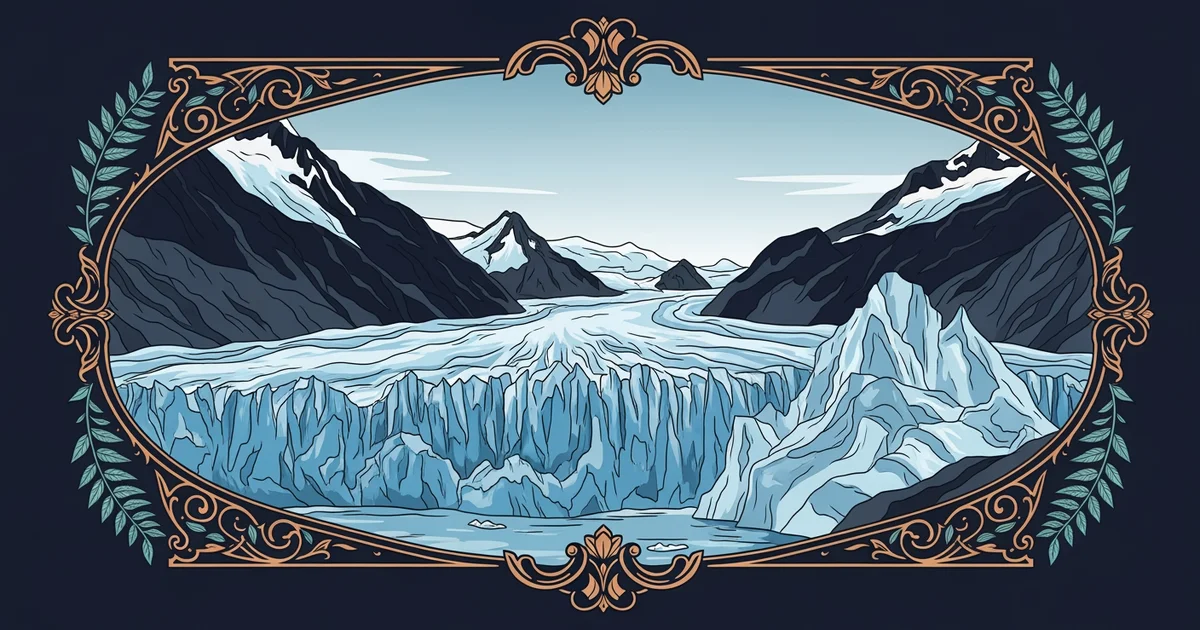
The Components of the Frozen World
When scientists study these cold regions, they focus on the cryosphere, which includes all frozen water on Earth. This system acts like a giant, natural refrigerator that reflects sunlight back into space. By bouncing solar rays away, it prevents the planet from heating up too fast. Think of it like an insulated picnic cooler that keeps your drinks cold on a hot summer beach. If the ice melts, the cooler lid opens, and the heat begins to warm everything inside. This process changes weather patterns and affects how we live in warmer regions.
Key term: Cryosphere — the portion of the Earth's surface where water is in a solid, frozen state.
Many people confuse the different types of ice, but they play very different roles. We categorize these frozen zones based on where they form and how they interact with the world. The main types include snow, glaciers, ice caps, permafrost, and floating ice sheets. Each component stores fresh water that would otherwise flow into the oceans. When this water stays frozen, it keeps sea levels low and stable for coastal cities. When it melts, the extra liquid flows into the sea, which causes the oceans to rise.
Distinguishing Between Land and Sea Ice
To understand the impact of melting, we must separate land ice from sea ice. These two forms behave differently when they change from solid to liquid states. Land ice forms on mountains or continents and stays there for thousands of years. Sea ice forms when the ocean surface freezes during the coldest months of the year. The primary differences between these two types of ice are listed in the table below.
| Feature | Land Ice | Sea Ice |
|---|---|---|
| Formation | Snowfall on land | Freezing ocean water |
| Salt content | Fresh water | Salty water |
| Sea level impact | Raises levels when melting | Does not raise levels |
When land ice melts, it adds new water to the ocean that was not there before. This process is like adding extra water to a full glass, which causes it to overflow. In contrast, sea ice is already floating in the ocean before it melts. Its melting is like an ice cube melting inside a glass of lemonade. The water level in your glass does not change because the ice was already taking up space. This distinction is vital for predicting how future climate shifts will affect our coastal communities.
Understanding these dynamics is essential for our survival because the cryosphere acts as a global thermostat. It influences wind patterns, ocean currents, and the amount of moisture that reaches our farms. When we track the health of these frozen areas, we are actually checking the pulse of the Earth. Protecting these regions ensures that our climate remains hospitable for future generations to thrive. By learning these basics, you are preparing to explore the complex physics that govern our changing world.
The frozen world functions as a global cooling system that stabilizes our climate by reflecting heat.
This foundation prepares you to analyze the physics of snowfall and how individual flakes build massive glaciers.