
Ice Sheet Stability
Imagine a massive bank account where the balance represents the total volume of ice on our planet. When the bank pays out more ice than it takes in through snowfall, the account balance drops until the entire system faces a risk of collapse. This is the reality of our polar ice sheets as they respond to a warming global climate. These frozen giants are not static blocks of stone but dynamic systems that require a constant inflow of snow to maintain their structural integrity. When that balance shifts, the consequences ripple across the globe by raising sea levels and changing ocean currents.
The Mechanics of Structural Failure
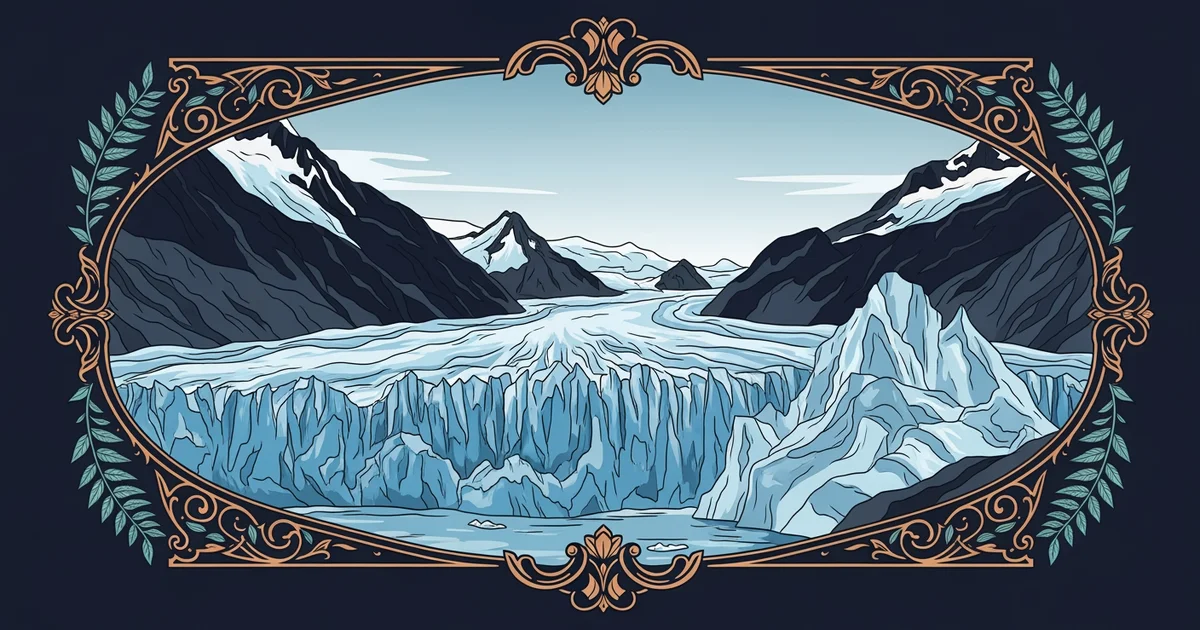
To understand why these sheets fail, we must look at the way they lose mass over time. Glacial systems rely on a process called calving, where chunks of ice break off the main body into the ocean. This process is normal, but it becomes a danger when the rate of loss exceeds the rate of new snowfall. Think of this like a household budget where your spending consistently exceeds your monthly income. Eventually, you run out of savings and must fundamentally change your lifestyle to survive. Ice sheets reach a tipping point when the internal stress from melting water exceeds the strength of the ice structure itself.
Key term: Calving — the mechanical process where large chunks of ice break away from the edge of a glacier or an ice sheet into the sea.
Water plays a dual role in this destruction by acting as both a lubricant and a wedge. As surface ice melts, the water flows down through deep cracks called crevasses to reach the bottom of the sheet. This liquid water acts like oil on a mechanical gear, allowing the massive ice sheet to slide faster toward the ocean. At the same time, the water fills these cracks and freezes again, which expands and forces the ice to fracture further. This feedback loop accelerates the collapse by weakening the entire foundation from the inside out.
Evaluating Risks to Polar Stability
Scientists track the health of these frozen systems by monitoring specific factors that indicate how close they are to a total breakdown. Stability is not just about temperature, but also about the physical geography of the land beneath the ice. If the bedrock slopes downward toward the ocean, the ice sheet becomes much more vulnerable to rapid retreat. We can classify the primary threats to these systems based on how they interact with the surrounding environment and the climate:
- Surface Meltwater Lubrication: Liquid water reaching the base of the ice sheet reduces friction and causes the entire structure to slide toward the sea at an increased speed.
- Oceanic Basal Melting: Warm ocean currents circulate beneath the floating edges of ice shelves, which thins the ice from below and removes the structural support that holds back inland glaciers.
- Structural Crevasse Propagation: The formation of deep, vertical cracks allows water to penetrate deep into the ice, which destabilizes the internal integrity and causes the ice to break apart into smaller fragments.
| Threat Factor | Primary Impact | Resulting Change |
|---|---|---|
| Surface Melt | Slides faster | Higher flow rate |
| Basal Melt | Loss of support | Rapid retreat |
| Fracturing | Structural loss | Increased calving |
These factors work together to create a situation where the ice sheet loses its ability to hold its shape. The interaction between warm air, warmer water, and the physical shape of the ground creates a complex puzzle. If one piece of the puzzle fails, the surrounding ice often follows suit in a cascading event. This chain reaction is why researchers pay close attention to even small changes in the thickness of the ice. Even a minor loss of ice can trigger a much larger collapse if the conditions are right for instability to spread across the entire region.
Ice sheet stability depends on maintaining a delicate balance between snow accumulation and the mechanical loss of ice through melting and calving.
The next Station introduces thermal energy balance, which determines how solar radiation drives the melting processes we just examined.