
Future Trends in Geochemistry
Imagine holding a device smaller than your phone that identifies the exact chemical makeup of a mountain rock in seconds. Scientists once waited weeks for lab results, but the future of geology is changing right before our eyes.
The Rise of Portable Analytics
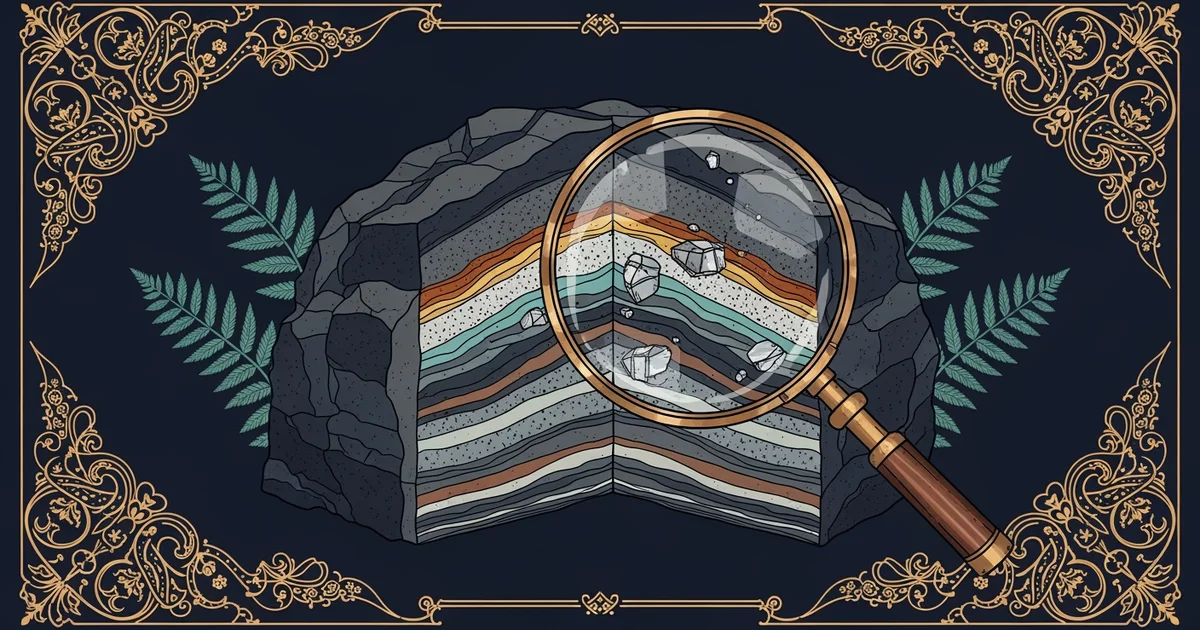
Modern field research is undergoing a massive shift toward instant data collection through advanced technology. Portable sensors now allow researchers to scan mineral samples directly on the mountain side without needing to ship heavy rocks back home. This process is like moving from a slow paper map to a high-speed digital navigation system on your tablet. By using X-ray fluorescence tools, geologists detect specific elements instantly to map out environmental changes in real time. These handheld units rely on miniaturized energy sources that provide precise chemical readings while the researcher remains out in the rugged terrain. This immediate access to data transforms how we understand the history of our planet by removing the long delay of waiting for traditional laboratory processing.
Key term: X-ray fluorescence — a non-destructive method used to determine the chemical composition of materials by measuring the secondary radiation emitted after excitation.
Integrating Digital Data Streams
As we push further into the digital age, we must combine these new sensor readings with older methods like tectonic reconstruction models. By merging these two distinct data sets, we gain a much clearer view of how chemical signals relate to large-scale crust movements over time. Think of this process as balancing a household budget where you track every small expense to understand your total savings. Each small chemical signal acts as a single transaction that informs the larger story of how continents shifted and collided over millions of years. This integration helps us see the hidden patterns that were previously impossible to spot when looking at isolated sets of data. We are no longer just guessing about the origin of a rock because we can now correlate its chemistry with its tectonic path.
| Technology Type | Primary Benefit | Research Application |
|---|---|---|
| Portable Sensors | Speed of analysis | Field mapping |
| Digital Models | Pattern recognition | Tectonic history |
| Data Integration | Holistic accuracy | Global reconstruction |
This table highlights how different tools work together to create a complete picture of Earth's complex history. We use portable sensors to gather the raw facts while digital models help us interpret the larger trends. When these systems work in harmony, they provide a much higher level of accuracy than any single tool could achieve on its own. The future of this field relies on our ability to bridge the gap between microscopic chemical details and massive tectonic shifts.
Future Challenges in Geochemistry
While technology advances quickly, we still face the difficult problem of interpreting complex chemical signatures in highly altered environments. Some rocks have been through so much heat and pressure that their original chemical signals are partially erased or changed. This creates a tension between the need for precise data and the reality of geological decay over vast time periods. Researchers must develop smarter algorithms to filter out the noise caused by environmental weathering and long-term exposure. By improving our digital filters, we can recover the true history of these ancient artifacts even when the physical evidence seems damaged or incomplete. The goal is to create a seamless link between the raw chemical data and the complex evolutionary history of our planet's crust.
Future geochemistry relies on merging instant field data with complex models to reconstruct Earth's history with greater speed and precision.
Geochemical fingerprinting allows us to trace the unique chemical identity of rocks back to their specific source and geological history.