
Sample Preparation Methods
Tiny particles of dust or stray skin cells can ruin a high-stakes geochemical analysis before it even begins. Scientists must treat every rock sample as a delicate crime scene to ensure that the chemical data remains pure and accurate.
Establishing Strict Laboratory Hygiene
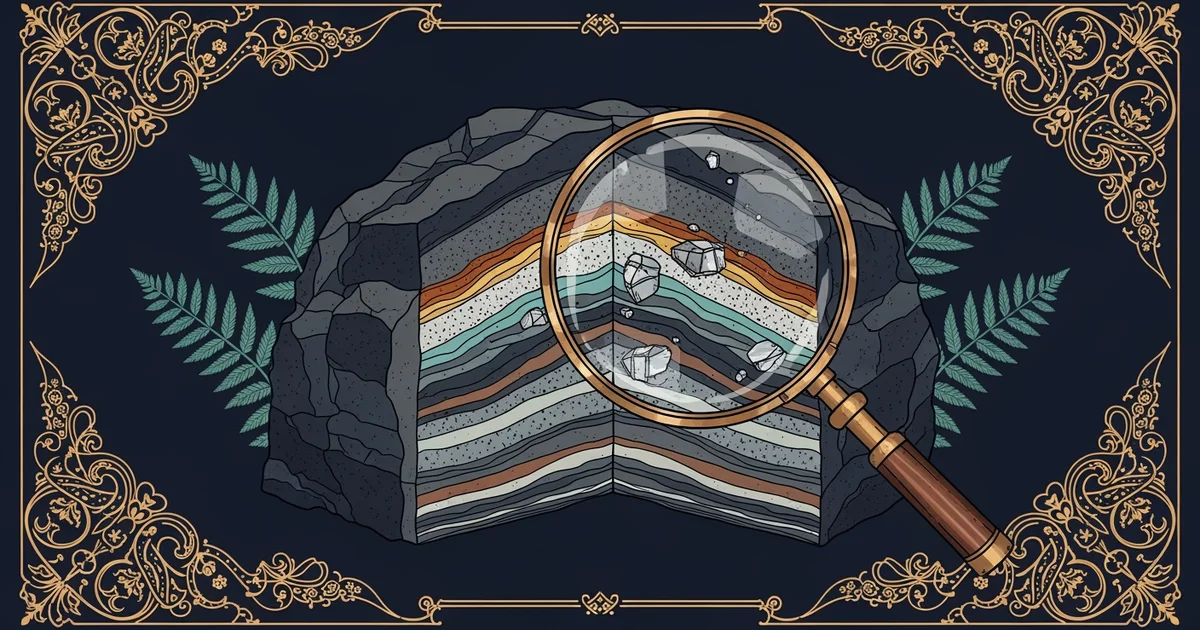
When we prepare geological samples for study, we must eliminate all external sources of contamination. Think of this process like preparing a sterile meal in a restaurant kitchen where one single speck of dirt ruins the entire dish for the customer. If a researcher touches a rock with bare hands, they deposit oils and minerals that skew the final chemical reading. We use specialized tools made of high-purity materials to handle these rocks during the grinding and crushing phases. Every surface must undergo rigorous cleaning with acid washes to strip away any lingering elements from previous experiments. By maintaining this sterile environment, we ensure that the machine detects only the original chemical signature of the rock itself.
Key term: Contamination — the unwanted introduction of external materials into a sample that alters its natural chemical composition during the preparation process.
Once the work area is clean, the physical reduction of the rock becomes the next critical phase. We must crush large chunks into fine powders to ensure that the chemical analysis represents the entire object. This involves heavy machinery that can introduce metal dust if we are not careful about the materials used. We choose grinding vessels made of tungsten carbide or agate because these materials are extremely hard and resistant to wear. If the vessel wears down during the crushing process, it adds its own chemical signature to the sample powder. We monitor these tools constantly to prevent the introduction of foreign metal ions into our precious geological data.
Procedural Steps for Sample Integrity
After we reduce the rock to a fine powder, we must ensure the material remains homogeneous and free from any moisture. Moisture can trap atmospheric gases or carry dissolved minerals that change the weight and chemical balance of the sample. We use controlled heating ovens to dry the powder until it reaches a stable mass that will not shift during testing. The following steps outline the standard protocol for preparing these samples in a modern facility:
- Initial cleaning of the raw rock surface removes any weathered outer layers that do not represent the core material.
- Mechanical crushing breaks the rock into small fragments using high-purity tools that prevent cross-contamination between different samples.
- Fine grinding turns the fragments into a uniform powder to ensure that the chemical analysis is consistent throughout.
- Chemical digestion uses strong acids to dissolve the powder into a liquid form that the mass spectrometer can process.
- Final filtration removes any undissolved particles that might clog the delicate instruments used in the next measurement phase.
Each of these steps requires specific safety gear and ventilation to protect the researcher from harsh chemicals. We must also document every tool used to trace any potential errors back to their specific source. This level of detail transforms a simple rock into a reliable data point that reveals the history of our planet.
| Preparation Step | Primary Goal | Potential Risk |
|---|---|---|
| Surface Cleaning | Remove dirt | Human contact |
| Mechanical Crush | Reduce size | Tool wear down |
| Acid Digestion | Liquid state | Impure reagents |
By following these procedures, we create a stable and reliable sample that provides clear answers about its origin. The process demands patience, but the precision gained makes the effort worthwhile for scientific discovery.
Maintaining absolute purity during sample preparation is the only way to ensure that chemical signals remain accurate and representative of the original geological source.
But what does it look like in practice when we need to convert these raw chemical signals into usable data points for our research?