
Restoration Ecology Tools
When a landscape loses its natural spark, waiting for time to heal the scars often fails to produce results. Active intervention acts like a surgeon repairing a broken bone, ensuring that the healing process follows the right path for long-term health.
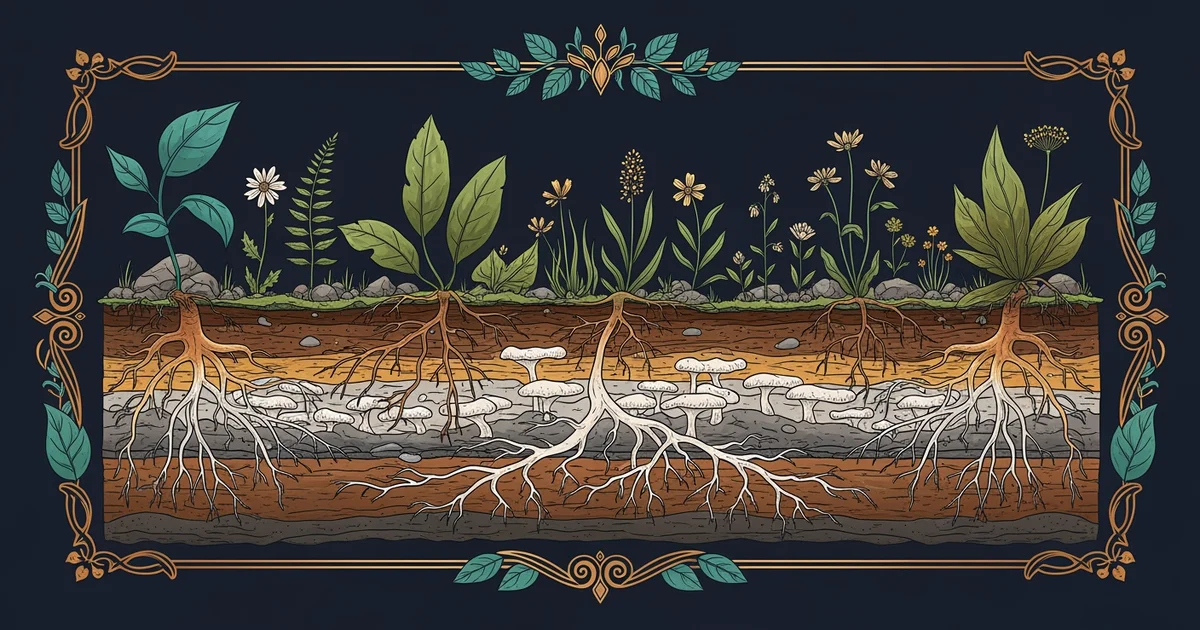
Strategies for Habitat Recovery
Restoration ecology focuses on assisting the recovery of ecosystems that have suffered damage or destruction from human activity. Experts use specific techniques to stabilize soil and water conditions before introducing native life. Think of this process like renovating an old house before moving in new tenants. You must fix the plumbing and structural cracks first, or the new occupants will never thrive in their environment. Once the foundation is stable, you can reintroduce native plants that provide the correct resources for local wildlife to return.
Basic Habitat Restoration Protocol
Procedure · 5 steps- 1Assess the current soil quality and identify any major chemical pollutants present.
- 2Remove invasive species that compete with native plants for sunlight and water.
- 3Stabilize eroding slopes using natural materials like logs or woven fiber mats.
- 4Replant native vegetation to create food sources and shelter for local animals.
- 5Monitor the site for several years to ensure that native populations are self-sustaining.
Constants & Notes
- ·Primary Goal: Restore self-sustaining ecological functions
- ·Key Metric: Native species richness
- ·Success Indicator: Return of top-level predators
Tools for Measuring Success
Measuring the success of these projects requires more than just counting the number of trees planted in a field. Professionals use to track how well species are adapting to their improved surroundings. If the population of sensitive indicator species grows, the restoration is likely working as intended. This data serves as a report card for the environment, showing where adjustments are needed to keep the recovery on track. Without these metrics, we might waste resources on areas that are not actually improving.
Key term: — a plant or animal whose presence or absence tells us if the environment is stable.
Balancing Human and Natural Needs
Restoration efforts must often balance the needs of local communities with the requirements of the recovering ecosystem. Sometimes, land managers use to ensure plants can survive in shifting climates. This practice helps ecosystems stay resilient against future pressures while keeping the local economy stable. By choosing plants that can handle warmer or drier conditions, we ensure that our restoration work remains relevant decades into the future. This forward-thinking approach prevents us from repeating the same mistakes that caused the initial damage.
When we plan these projects, we look at several factors to decide which tools will work best for each unique site:
- Soil composition analysis helps us understand if the ground can support native growth without adding expensive chemical fertilizers.
- Hydrological mapping shows how water moves across the land, which is critical for preventing future drought or flood damage.
- Biodiversity surveys establish a baseline of what lived there before, allowing us to measure how much life we successfully brought back.
Effective restoration requires a clear plan that addresses the specific needs of the land while keeping the future climate in mind. We must constantly refine our methods based on the data we collect during the monitoring phases of our work. By learning from every project, we improve our ability to heal the planet one site at a time.
Restoration ecology relies on active intervention and precise measurement to turn damaged landscapes back into functional environments that support native life.
Understanding how to measure the success of restoration projects will help us prepare for the next phase of biodiversity conservation.