
Resilience and Thresholds
Natural systems often appear stable until a sudden change forces them into a new state. Imagine a rubber band that stretches easily until it reaches a point of snapping under tension. Ecosystems function in much the same way when they encounter environmental pressures or human-led disturbances. They possess a certain capacity to absorb shock before their basic structure begins to fail completely. Understanding this limit helps scientists protect the vital services that nature provides to our local communities.
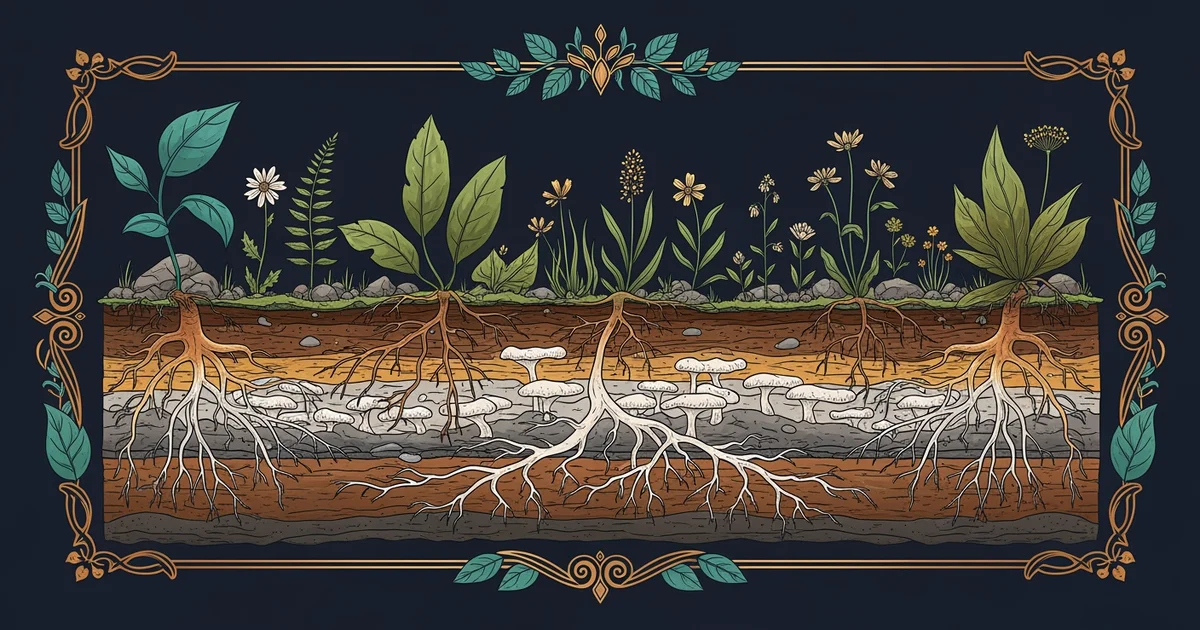
Measuring System Stability and Limits
Ecologists describe the ability of a habitat to return to its original state as . A resilient forest might regrow quickly after a wildfire passes through the dense canopy layer. This recovery relies on deep soil nutrients and dormant seeds that remain after the fire ends. If the fire burns too hot or occurs too often, the soil loses its vital fertility. The forest then crosses a and cannot return. This shift often turns a lush woodland into a dry shrubland that supports fewer species. Scientists track these markers to see if a wetland or prairie remains healthy. They look for signs like soil moisture levels and the diversity of native plant life. When these markers drop below a set value, the system faces a permanent loss of function.
The Economic Analogy of Buffer Zones
Think of an ecosystem like a bank account that holds your savings for an emergency. Each species acts like a dollar in your account that provides a specific service. A healthy wetland acts as a large buffer that protects the land from flooding. If you withdraw too many species, the account balance drops toward zero very quickly. Once your balance reaches zero, the bank starts charging fees that drain your remaining funds. In nature, the loss of a few key species might not cause a collapse. However, removing too many pieces eventually triggers a total failure of the local landscape. The system loses its ability to filter water or store carbon as it once did. Maintaining high biodiversity acts as a financial safety net against future environmental market crashes.
Identifying Indicators of System Health
Monitoring these systems requires tracking specific indicators that signal when a change is near. Experts use several key metrics to determine if a wetland is currently under stress. These metrics provide a clear picture of how much pressure the environment can handle.
- tracks water flow patterns because consistent water levels support the growth of native plants.
- Nutrient Cycling measures how fast organisms break down waste into food because slow cycling indicates a lack of healthy soil microbes.
- Species Richness counts the total number of different plants and animals because a high count shows a robust and stable food web.
These indicators allow researchers to predict if a habitat will survive a coming storm. If the hydrology changes too much, the plants that filter water will simply die off. This loss of vegetation leads to even more erosion and further damage to the soil. By watching these markers, we can intervene before the system hits a point of no return. Protecting the resilience of these areas ensures they keep providing clean water for everyone. We must act while the system still has enough strength to recover from damage.
Ecosystems maintain stability through built-in resilience, but they collapse permanently once environmental pressures push them past a critical threshold.
The next step examines how human infrastructure interacts with these natural thresholds to influence regional land management.