
Climate Change Range Shifts
When the red fox expanded its range into the Arctic tundra during the late twentieth century, researchers witnessed a massive shift in local ecosystem balance. This specific event demonstrates how warming temperatures force species to seek cooler habitats that match their ancestral environmental needs. As the planet warms, species do not simply vanish; they often move toward the poles or higher mountain elevations to find their required climate zones. This process of migration is known as range shifting, and it represents a biological response to changing atmospheric conditions. Just as a business might relocate its headquarters to a region with lower taxes to maintain profits, species move their populations to areas where they can survive and reproduce. If a species cannot move fast enough to keep pace with the shifting climate, it faces a high risk of local extinction. This movement creates new interactions between species that previously lived in separate geographic zones, leading to unpredictable changes in food webs and predator-prey dynamics.
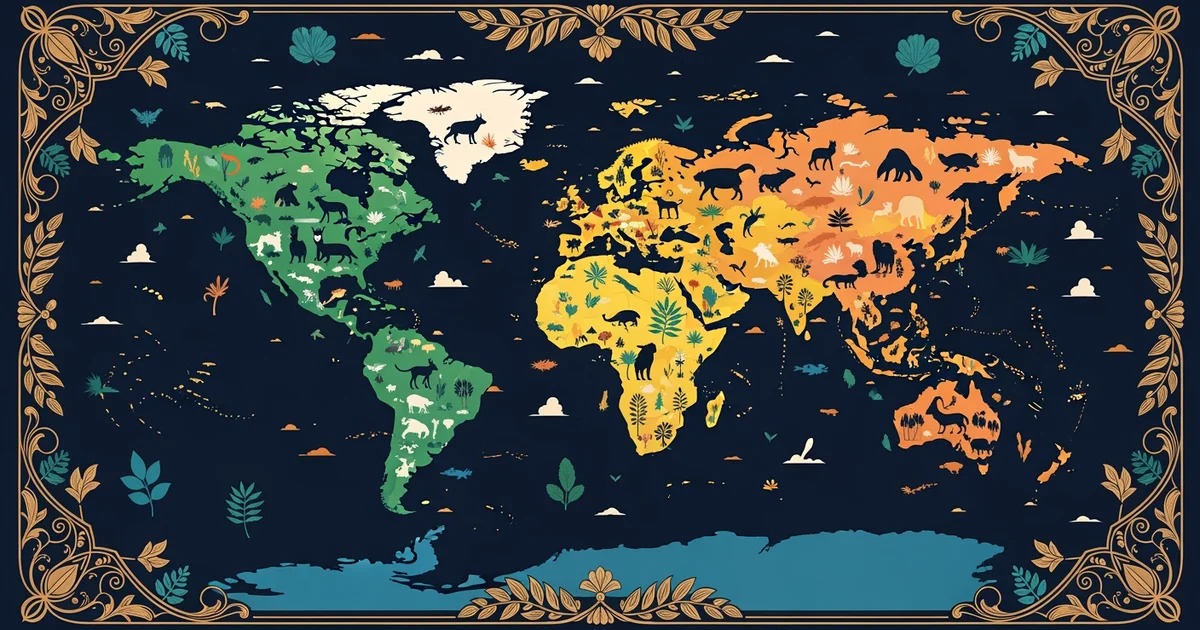
The Mechanisms of Species Migration
Species migration happens through a series of complex biological steps that allow populations to colonize new territories over time. As temperatures rise, the southern boundaries of a species' range often become too hot for successful reproduction or foraging. Meanwhile, the northern boundaries become more hospitable, allowing individuals to survive and establish new breeding colonies in previously frozen soil. This shift is not a single leap by an entire population but rather a slow, generational process of colonization. A species acts like a traveler who checks the weather report before moving; if the new territory provides sufficient food and shelter, the population gradually expands its presence there. The speed of this movement depends on the mobility of the organism, the availability of suitable corridors, and the presence of existing competitors in the new area.
Key term: Climate envelope — the set of specific environmental conditions, including temperature and precipitation, that a species needs to survive.
Predicting Future Range Shifts
Scientists use complex models to forecast where different species will move as global temperatures continue their steady upward trend. These models combine historical data with future climate projections to identify potential paths of migration across continents and oceans. By mapping these paths, researchers can identify critical areas that need protection to ensure species have a clear route to follow. The following table outlines how different groups of animals might respond to these shifting environmental conditions based on their specific biological traits and mobility levels:
| Group | Mobility | Primary Barrier | Migration Strategy |
|---|---|---|---|
| Birds | High | Habitat loss | Direct flight to new zones |
| Mammals | Medium | Urban structures | Corridor usage and slow spread |
| Plants | Low | Soil quality | Seed dispersal over generations |
These patterns show that mobility is the most important factor in determining how quickly a species can adapt to a changing climate. While birds can easily fly to cooler regions, plants must rely on wind, water, or animals to carry their seeds to new, hospitable locations. This difference in movement speed means that some species will arrive in new zones much faster than others, causing a temporary imbalance in the ecosystem. This phenomenon is a direct application of the concepts discussed in Station 12 regarding how invasive species colonize new areas, but here the driver is temperature rather than human transport. We must understand these shifts to protect biodiversity effectively as habitats transform.
Species survival in a warming world depends on their ability to migrate toward suitable climate envelopes before their current habitats become unlivable.
But this model of movement breaks down when human infrastructure creates permanent barriers that block natural migration routes.