
Biological Shifts and Extinction
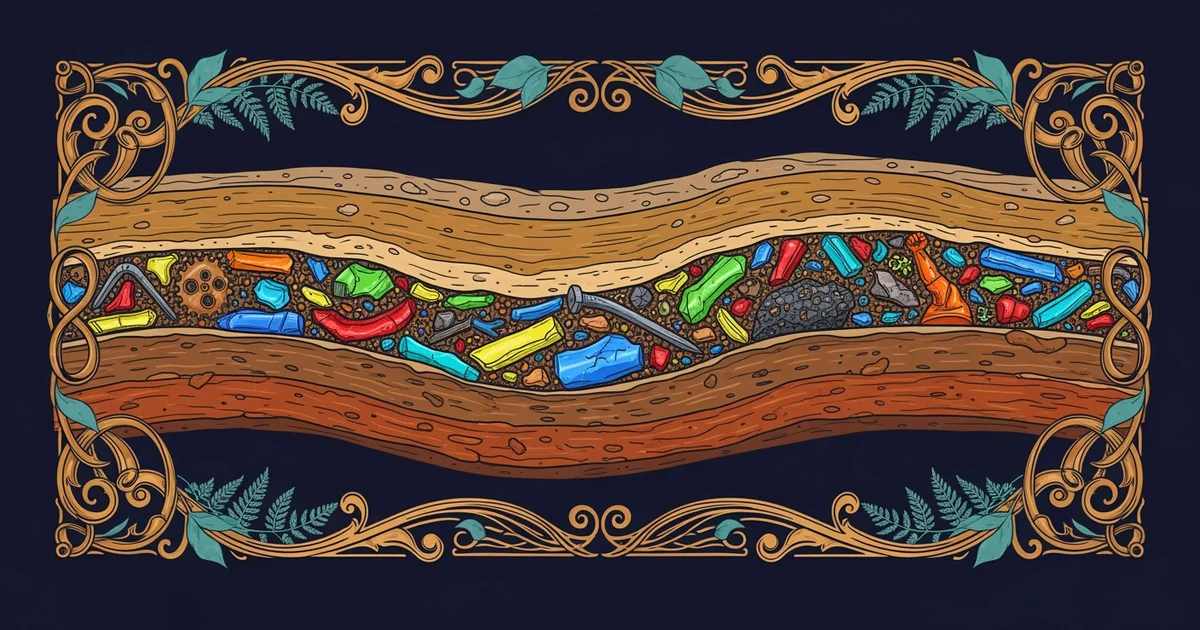
Imagine a vast library where thousands of books vanish every single day without a trace. This is exactly what happens when human activity drives rapid changes in the natural world. Scientists observe these shifts by looking at the fossil record, which acts like a ledger for life on Earth. When species disappear faster than natural rates, we see a clear signature of human influence. This process is known as the Anthropocene extinction, a period defined by our unique impact on global biodiversity. Just as a heavy footprint leaves a mark in soft mud, our actions leave a permanent layer in the geological record. Understanding these biological shifts helps us recognize how deeply we have altered the planet.
The Pattern of Modern Extinction
To understand how we change the world, we must look at how life usually evolves and disappears. Natural extinction happens slowly over millions of years as environments change and species adapt or fade away. Human-driven extinction, however, occurs at a speed that creates a noticeable gap in the layers of Earth. Think of this like an economic budget where spending suddenly exceeds income by a massive margin. When a species goes extinct, it is like a permanent withdrawal from a bank account that can never be replenished. Because we remove plants and animals faster than nature can replace them, the geological record will show a sudden decrease in variety. This rapid loss creates a distinct boundary that future geologists will easily identify as a human-made event.
Key term: Biodiversity — the total variety of all living organisms found within a specific ecosystem or across the entire planet.
This loss of life is not just about losing individual species, but about the collapse of complex systems. When a key species disappears, the entire food web often experiences a ripple effect of instability. This instability shows up in the fossil record as a sudden change in plant and animal populations. We can track these transitions by analyzing which fossils appear in older layers versus newer ones. Our impact is so significant that it mimics the major extinction events of the ancient past. By studying these shifts, we gain insight into the scale of our current environmental footprint.
Tracking Biological Shifts Through Time
We categorize these biological changes by observing how different species respond to human presence. Some species thrive in human-altered landscapes, while many others struggle to survive the rapid changes. We can compare these trends to understand how we are reshaping the global ecosystem through these specific pathways:
- Habitat loss occurs when we convert wild lands into farms or cities, forcing native species to relocate or face local extinction.
- Invasive species spread when humans introduce non-native plants or animals into new areas, often outcompeting the local wildlife for resources.
- Climate change alters the temperature and weather patterns, making it impossible for certain sensitive species to remain in their original homes.
These factors act together to create a unique signal in the rocks that future generations will study. The following table illustrates how different human activities correlate with the types of biological evidence found in the fossil record.
| Human Activity | Primary Impact | Fossil Record Evidence |
|---|---|---|
| Agriculture | Land clearing | Shift in pollen types |
| Urbanization | Habitat loss | Fewer wild animal bones |
| Global Trade | Species movement | New, non-native fossils |
By examining these patterns, we can see that our influence is not just localized but global. Every city we build and every forest we clear leaves a lasting mark on the biological history of the Earth. This record serves as a testament to our role as a major geological force. We are essentially writing the next chapter of the planet's history with our own hands. Recognizing this responsibility is the first step toward understanding our permanent impact on the natural world.
Human activities create a distinct geological signature by accelerating extinction rates and shifting the composition of global life forms.
The next Station introduces radioactive fallout signatures, which determine how nuclear energy leaves a permanent mark on the geological record.