
Defining the Anthropocene Epoch
Understanding the Anthropocene Concept
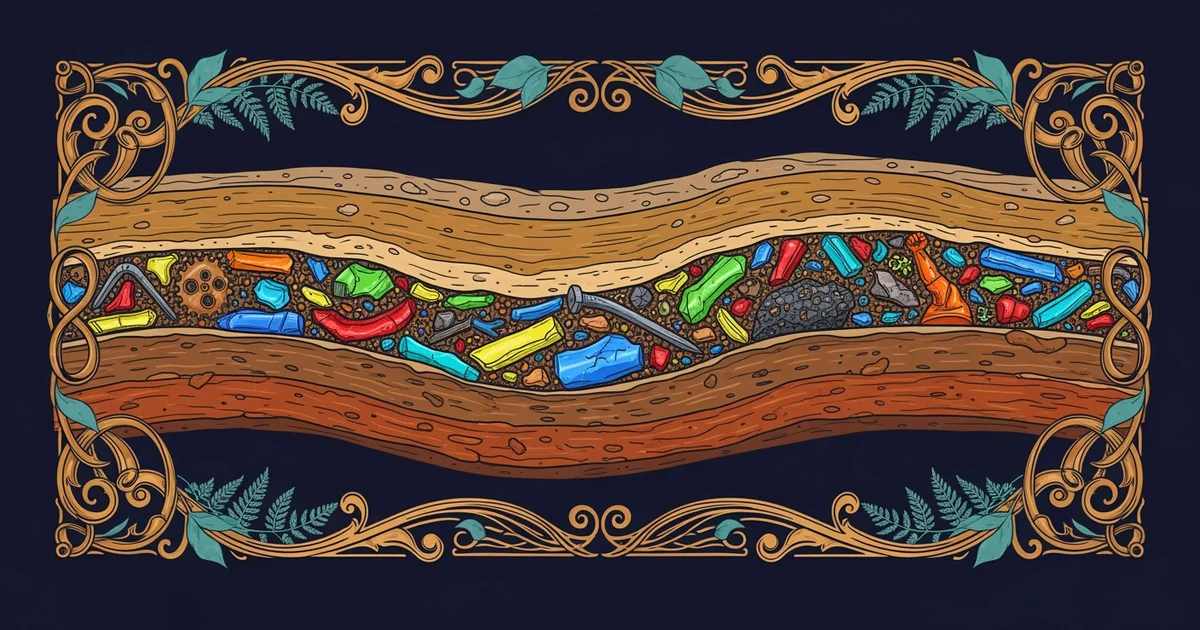
When we look at the history of our planet, we see many distinct time periods. Scientists call these intervals epochs to organize the vast timeline of Earth. The current epoch is officially known as the Holocene period. It started roughly twelve thousand years ago after the last ice age. However, many researchers now suggest that we have entered a new era. They call this proposed time period the Anthropocene epoch today.
This term combines the Greek word for human with the word for recent. It highlights the massive impact of human activity on the Earth. Unlike previous eras, this one is driven by human actions. We are changing the climate, the land, and the life on Earth. These changes are so significant that they will show up in rocks. Future geologists will see our mark in the layers of the planet.
The Geological Evidence Base
To define an epoch, scientists look for clear signals in the ground. They search for physical evidence that exists across the entire globe. This evidence must be preserved in the rock or sediment layers. These layers act like a book written by the planet itself. Each layer tells a story about the conditions of that time. The Anthropocene is marked by unique materials and chemical signatures.
One common marker is the presence of plastic in the soil. Plastic does not exist in nature, so it stands out. Another marker is the rise of carbon levels in ice cores. These levels have climbed steadily since the Industrial Revolution began centuries ago. Scientists also look for radioactive isotopes from past nuclear testing events. These materials provide a very precise date for the start of the epoch.
Why This Matters for Science
Defining a new epoch is a very serious task for experts. It requires proof that human influence is truly global. It also requires proof that the changes are permanent enough. If we define the Anthropocene, we acknowledge our role in the Earth. It changes how we view our place in the natural world. This shift in thinking is vital for future environmental policy efforts.
We must understand these markers to track our current environmental impact. By identifying these signs, we can measure how fast things change. This knowledge helps us predict future threats to our global ecosystems. It also forces us to face the consequences of our past choices. The geological record does not lie about our history on Earth.
The Global Nature of Markers
Geological markers must be visible in many different places worldwide. A marker found in only one city is not enough evidence. Instead, scientists look for signals that appear in many regions. They check marine sediments, ice sheets, and even urban soil samples. When these signals match, they provide a strong case for a transition. This global consistency is the main requirement for any new epoch.
We see these markers in the deep ocean floor today. We also find them in the ice of the high mountains. These diverse locations confirm that our impact is truly planetary. The Anthropocene is not just a local issue for one country. It is a defining feature of the entire planet's future history. Understanding this helps us see the scale of our current footprint.
Looking Toward the Future Record
As we continue to build and change the planet, more markers emerge. Every day, we add new layers of history to the ground. Future geologists will study these layers to understand our lives. They will see the cities we built and the waste left. They will also see the changes we made to the atmosphere. Our legacy is being written in stone and soil right now.
This realization brings a sense of responsibility to our current actions. We are the architects of the next layer of Earth. The choices we make today will define our geological legacy forever. By studying these markers, we learn to be better stewards today. We can choose to leave a healthier record for those following.
It is important to remember that this process is ongoing. The Anthropocene is not an event that has already finished. It is a process that we are living through right now. We must keep monitoring these markers to understand our progress. Science provides the tools to see our impact on the world. We must use these tools to guide our future path wisely.