
The Role of Stratigraphy
Imagine you are digging through a massive, dusty pile of old newspapers stacked in a basement. Each layer represents a different day, and the bottom sheets reveal the oldest news while the top sheets show recent events. This simple act of sorting paper mirrors how scientists study the Earth through the lens of stratigraphy. By analyzing these physical layers of soil and stone, researchers can reconstruct the timeline of our planet. Just as those newspapers tell a story about what happened in the past, rock layers serve as the official, unchangeable diary of the Earth. Understanding this sequence is vital for anyone who wants to grasp how deep time functions.
The Logic of Earth Layers
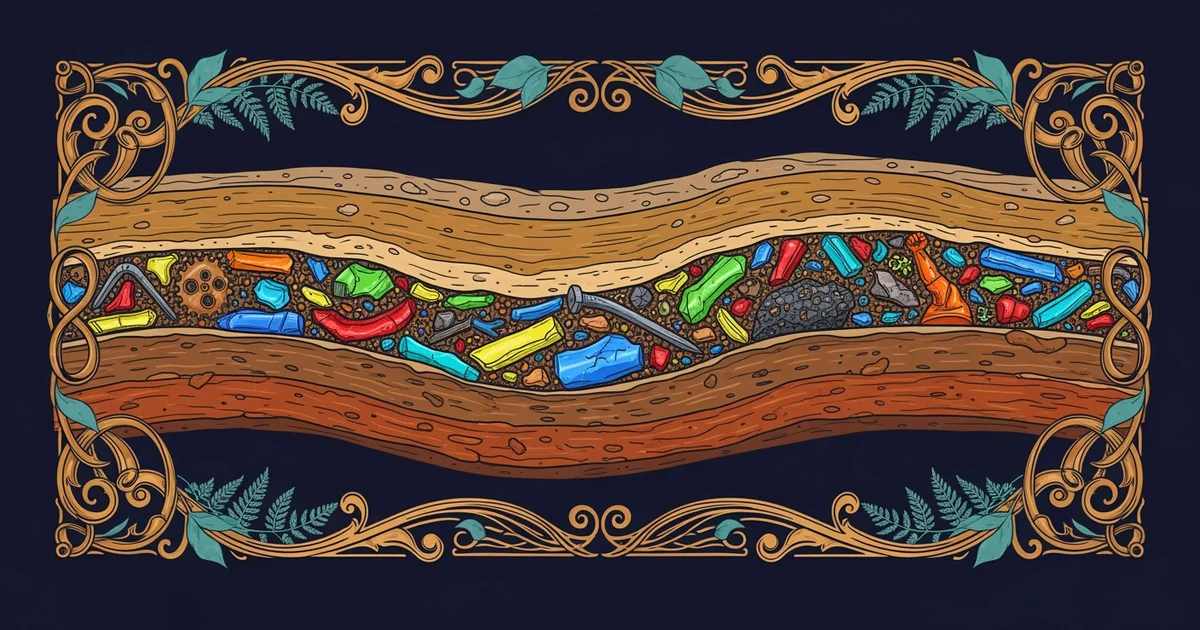
Geologists use the principle of superposition to explain why the oldest materials sit at the very bottom. You can think of this process like building a layer cake in a glass dish. The first layer of batter goes in first, and subsequent layers stack on top without mixing with the base. If you cut a vertical slice through that cake, you see the history of your baking process from start to finish. In the natural world, wind and water deposit sediment in a similar way over millions of years. This process creates a reliable chronological record that allows us to date various events by looking at where they appear. When we identify a specific layer, we gain a snapshot of the environmental conditions that existed during that exact time.
Key term: Stratigraphy — the branch of geology concerned with the order and relative position of strata and their relationship to the geological time scale.
Because these layers accumulate slowly, they act like a massive, natural filing cabinet for planetary history. Each new deposit acts as a divider, separating the previous era from the current one. If we find a layer filled with volcanic ash, we know that a massive eruption occurred during that specific period. If we find a layer composed of fine marine clay, we infer that the area was once covered by a shallow sea. By reading these signs, we can trace the movement of continents and the rise of mountains. This method provides the foundational evidence needed to understand long-term shifts in our global climate and geography.
Reading the Geological Record
To better understand how these layers help us organize time, we can look at the specific characteristics that geologists track across different sites. These features allow for the correlation of data across vast distances. When we compare layers from different parts of the world, we can identify patterns that occurred simultaneously. The following table outlines the primary markers that geologists examine to determine the age and nature of these distinct rock formations:
| Marker Type | Description of Feature | Purpose in Analysis |
|---|---|---|
| Lithology | The physical rock type | Identifying the environment |
| Fossils | Biological remains | Determining relative age |
| Chemistry | Elemental composition | Tracking chemical shifts |
These markers are essential because they turn a simple pile of dirt into a complex historical document. For example, a layer rich in carbon might indicate a period of intense plant growth or perhaps a massive wildfire. By identifying these chemical signatures, scientists can link local discoveries to global events. This global perspective is what makes the study of rock layers so powerful for modern research. Without these clear, identifiable markers, our ability to map the history of the Earth would be lost to guesswork. We rely on these physical constraints to keep our understanding of deep time grounded in hard, observable facts.
When we look at the modern era, we must ask how our own actions fit into this long-standing process. Humans are currently moving sediment, building massive structures, and altering the chemical makeup of the soil at an unprecedented rate. These activities create a new, distinct layer that will eventually be buried under future deposits. By studying the layers of the past, we learn how to identify the unique signature that our own civilization leaves behind. This realization helps us see our place within the much larger, slower story of the planet. We are not just observers of the Earth; we are active participants in its ongoing geological formation.
Stratigraphy provides a reliable, layered timeline that allows scientists to interpret Earth's history by reading the physical evidence left behind in stone.
Next, we will explore how human-made materials are creating a unique, permanent layer in the geological record.