
The Future of Food Tech
Imagine a future where your dinner is printed from digital code that perfectly mimics the taste of a five-star meal. This technology is not just science fiction because researchers now map the chemical profiles of flavors into binary data streams. By digitizing the unique compounds that create our sensory perceptions, we are moving toward a world of instant culinary creation. This shift promises to change how we view nutrition and personal satisfaction in our daily lives.
The Science of Flavor Digitization
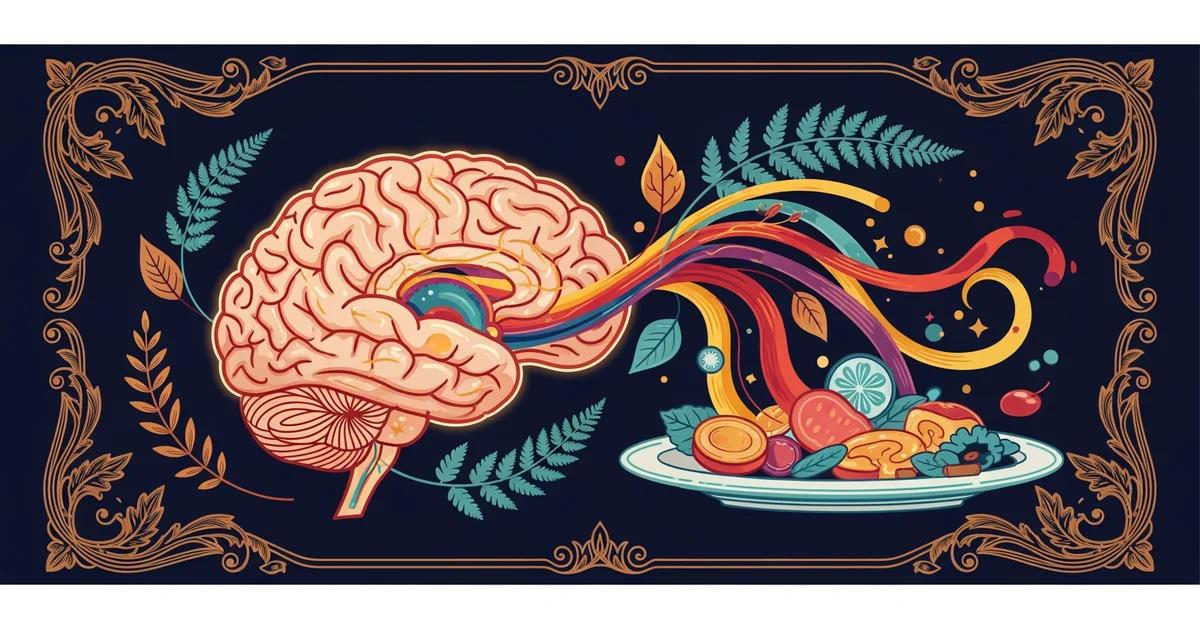
To understand how we synthesize taste, we must first look at how the brain processes chemical inputs. Our previous study of flavor modification showed that sensory perception relies on specific receptors sending signals to the brain. Researchers now use advanced sensors to identify the exact molecular weight and volatility of aroma compounds in real food. These sensors translate complex smells into digital signals that can be stored or transmitted over long distances. Think of this process like a high-end music streaming service that records raw audio waves and compresses them into digital files. Just as a speaker reconstructs sound waves from a digital file, a flavor synthesizer rebuilds the chemical experience of food. This allows us to replicate the sensory profile of a fresh apple or a roasted steak without needing the original item.
Integrating Digital Sensory Tools
Building on earlier concepts of health and flavor, we can now see how synthetic tools bridge the gap between nutrition and desire. We previously learned that modifying flavor can help people eat healthier by making nutritious foods taste more indulgent. By using digital synthesis, we can now create custom flavor profiles that mask the bitterness of healthy nutrients while keeping the texture of real ingredients. This integration creates a new frontier for food technology where personal health goals meet the joy of eating. Consider the following ways these tools impact our daily food choices:
- Digital flavor printers can add precise layers of aroma to basic food bases to make bland healthy meals taste like gourmet dishes.
- Portable scent synthesizers allow users to change the flavor of their water or snacks on the go based on their current mood.
- Cloud-based recipe databases store the chemical signatures of famous dishes so anyone can download and print a classic meal at home.
This technology relies on the same chemical pathways we explored in our foundation studies regarding how the brain interprets signals. When the brain receives these synthetic inputs, it cannot distinguish them from natural sources if the chemical match is precise enough. This creates a powerful opportunity to improve diets without sacrificing the pleasure we associate with high-calorie foods.
Future Challenges in Synthetic Gastronomy
While the potential is vast, we must address the complex tension between natural food production and these emerging synthetic methods. The primary challenge involves the ethical implications of replacing traditional farming with digital synthesis and lab-grown alternatives. If we can print any flavor we want, do we still value the effort and time required to grow food in the soil? This question sits at the center of our next phase of learning regarding ethical gastronomy. We must balance the efficiency of technology with the cultural history of cooking that defines our human experience. As we advance, we must ask if the brain experiences the same emotional reward from a printed meal as it does from a home-cooked one. The answer remains elusive because the social context of eating is often just as important as the chemical signals themselves.
Digital flavor synthesis transforms raw chemical data into sensory experiences that allow us to customize nutrition without losing the pleasure of eating.
The upcoming station explores how these technological advancements interact with our moral responsibilities and the future of global food systems.