
Future of Polymers
Plastic waste piles up in our oceans and landfills while we continue to demand durable goods. How do we reconcile our need for strong materials with the urgent requirement for a healthy planet? The next generation of materials will not just sit in a bin but will actively participate in their own breakdown or renewal. Scientists are looking toward nature to find blueprints for materials that disappear when their job is finished.
Designing for a Circular Lifecycle
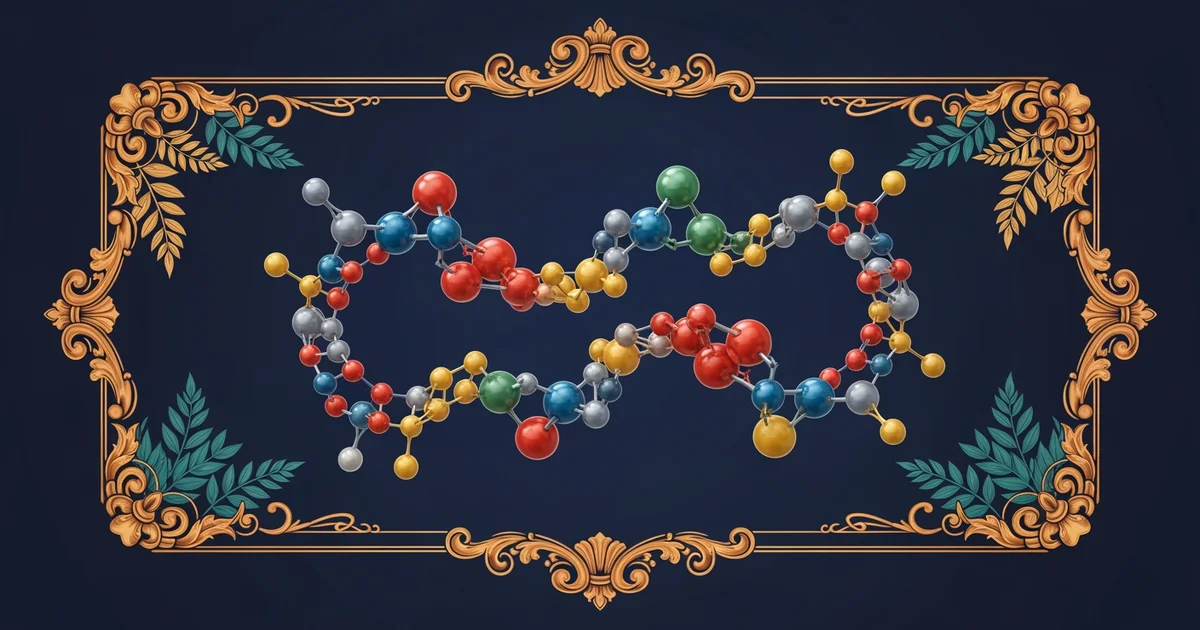
Modern research focuses on circular polymers that prioritize reuse and chemical recovery over simple disposal. Unlike standard plastics that lose their quality during recycling, these new materials maintain their integrity through multiple cycles of use. Imagine a building block that can be taken apart and rebuilt into something entirely new without losing its strength or shape. Chemists now design these molecules to be responsive to specific triggers like heat, light, or mild chemical baths. When a product reaches the end of its life, these triggers allow the material to revert back to its original liquid or solid monomers. This process effectively resets the material design cycle introduced in our previous lessons.
Key term: Circular polymers — materials engineered to be broken down into their base components and remade repeatedly without losing quality.
By utilizing these systems, we shift from a linear path of consumption toward a closed loop. This approach mirrors the natural cycle of nutrients in an ecosystem where nothing is truly wasted. We must rethink the molecular structure of our goods to ensure they serve us without poisoning the environment for future generations.
Nature as a Molecular Blueprint
Nature provides the most efficient models for material decay through the use of bio-based polymers that organisms can digest. Scientists are currently synthesizing materials derived from plants and fungi that mimic the properties of traditional petroleum-based plastics. These materials offer the same durability for everyday items like packaging or containers but contain chemical bonds that enzymes can easily break. Think of this process like a high-stakes game of economic trade where a company invests in a product that pays back its environmental debt at the end of its life.
| Material Type | Primary Source | End-of-Life Process | Ideal Use Case |
|---|---|---|---|
| Traditional | Petroleum | Landfill storage | Long-term use |
| Bio-based | Plant starch | Enzyme digestion | Food packaging |
| Circular | Recycled waste | Chemical reset | Consumer goods |
These bio-based options allow us to maintain modern convenience while lowering our carbon footprint significantly. The research community is still debating how to scale this production to meet global demand without competing with food supplies. Addressing this tension remains the most critical challenge for the next decade of molecular science.
We have explored how tiny repeating units create the strong materials that define our modern world through the lens of chemistry. We saw how material design cycles rely on specific bond strengths to ensure longevity. Now, we see that the future of polymers lies in giving these materials a planned end to their existence. By choosing materials that return to their origins, we can sustain the benefits of modern technology while protecting the natural world. This shift represents the final step in our journey from understanding basic molecular bonds to engineering the sustainable materials of tomorrow. The ability to design for both durability and degradation is the hallmark of a truly advanced chemical society. You now understand that the most powerful materials are those that can be safely retired back into the environment. Every product you use is a choice about the future of our shared global resources.