
Ecological Impact Analysis
Imagine a forest where every single tree is perfectly healthy and grows without any competition for sunlight or nutrients. Such an environment would quickly become stagnant because the strongest species would dominate and choke out all other forms of life. Parasites act as the hidden regulators of this natural balance by ensuring that no single organism consumes all the resources in a given space. By targeting specific hosts, these organisms prevent overpopulation and drive the constant evolution of defense mechanisms in every living creature.
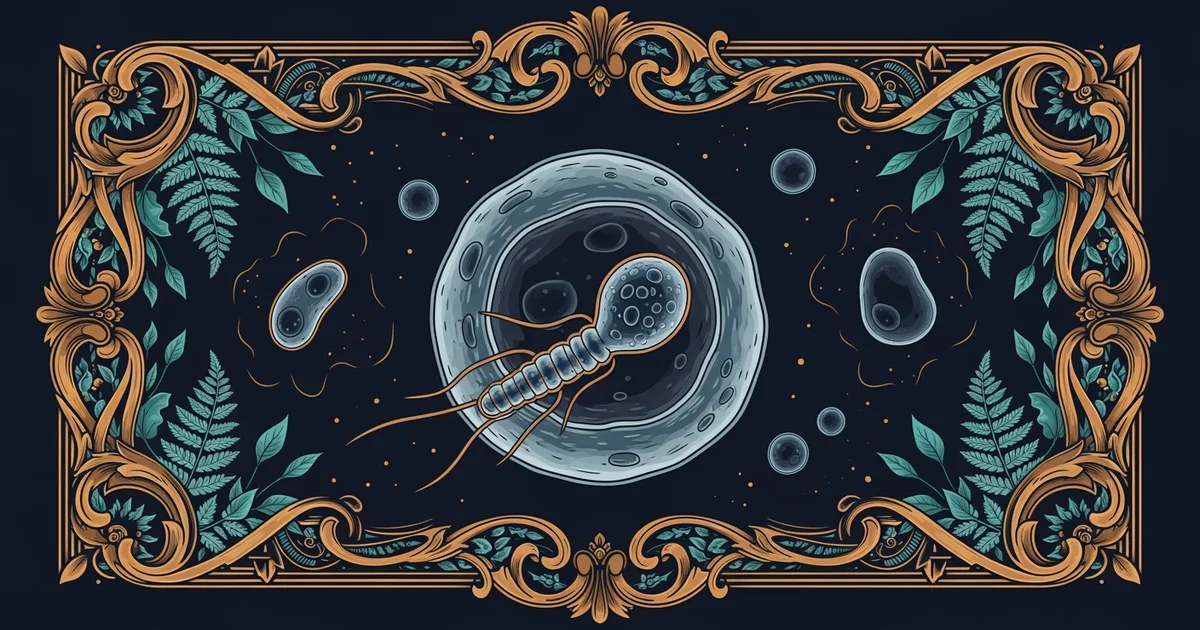
The Role of Parasites in Ecosystem Stability
When we consider the broader impact of life forms, parasites often seem like simple villains that only cause harm to their hosts. This view ignores the essential role they play in maintaining the health and diversity of entire biological communities across the planet. Think of a parasite like a tax collector in a busy economy who ensures that excessive wealth does not concentrate in one place. By thinning out the populations of dominant species, they create space for weaker or different organisms to thrive and reproduce. This process keeps the ecosystem dynamic and prevents the collapse that happens when one species grows too large. Without this constant pressure, the natural world would lose the variety that keeps it resilient against environmental changes or disease outbreaks.
Key term: Ecological niche — the specific role and position a species occupies within its environment, including how it uses resources and interacts with other organisms.
Parasites also serve as critical indicators of environmental quality because their presence often signals a stable and functioning food web. Many parasites require multiple host species to complete their complex life cycles, meaning they link different parts of the ecosystem together. If a specific parasite disappears from an area, it often reveals that one of the required host populations has crashed or that the habitat has become fragmented. This dependency makes them sensitive barometers for the overall health of a landscape. Scientists study these patterns to understand how changes in land use or climate affect the delicate web of life. Their survival is tied to the survival of the entire community, making them unlikely guardians of biodiversity.
Biodiversity and Evolutionary Pressure
Beyond their role as population regulators, parasites are the primary engines driving the arms race of evolution in nature. Every interaction between a host and a parasite forces the host to develop new ways to survive, such as stronger immune responses or better avoidance behaviors. This constant struggle ensures that only the most adaptable individuals pass on their genetic information to the next generation. This process, often called the Red Queen Hypothesis, explains why species must keep changing just to maintain their current position in the environment. Without the pressure of these invisible organisms, hosts would likely lose the complex immune systems that define their existence. The energy spent fighting off infections is a necessary investment for the long-term survival of a species.
| Interaction Type | Impact on Host | Ecological Outcome |
|---|---|---|
| Predation | Immediate death | Population control |
| Parasitism | Chronic stress | Evolutionary drive |
| Commensalism | Neutral effect | Niche partitioning |
This table shows how different biological relationships shape the survival strategies of organisms within their shared habitats. While predation provides a quick check on numbers, parasitism works more slowly to refine the genetic quality of the population. Both are essential for preventing the dominance of a single group. By forcing hosts to invest in better defenses, parasites ensure that the population remains robust and capable of handling new challenges. This relationship is not merely a drain on energy but a fundamental requirement for the ongoing success of life on Earth.
Parasites function as vital regulatory agents that promote biodiversity and drive the evolutionary refinement of every living creature on our planet.
Future advancements in parasitology will reveal how these organisms influence the resilience of ecosystems in a changing climate.