
Types of Host Environments
Imagine a tiny tenant living rent-free inside your body, consuming your resources while you go about your daily life. This silent relationship defines the world of parasites, creatures that depend entirely on other living organisms for their survival and growth.
Classifying Parasitic Habitats
Parasites do not simply exist in a vacuum, as they must secure a home within or upon a living host to thrive. Scientists categorize these living homes based on where the parasite chooses to reside during its life cycle. Think of this like choosing between living in the attic of a house or moving into the basement for better access to the kitchen. Ectoparasites are the squatters that prefer to stay on the outside of the host, clinging to surfaces like skin, fur, or feathers. These external dwellers often possess specialized hooks or claws to maintain their grip against the movements of the host. Because they live on the exterior, they must navigate the constant threat of being groomed, scratched, or brushed away by their host. This external lifestyle requires them to be masters of attachment and quick feeding to ensure they survive the harsh conditions of the open environment.
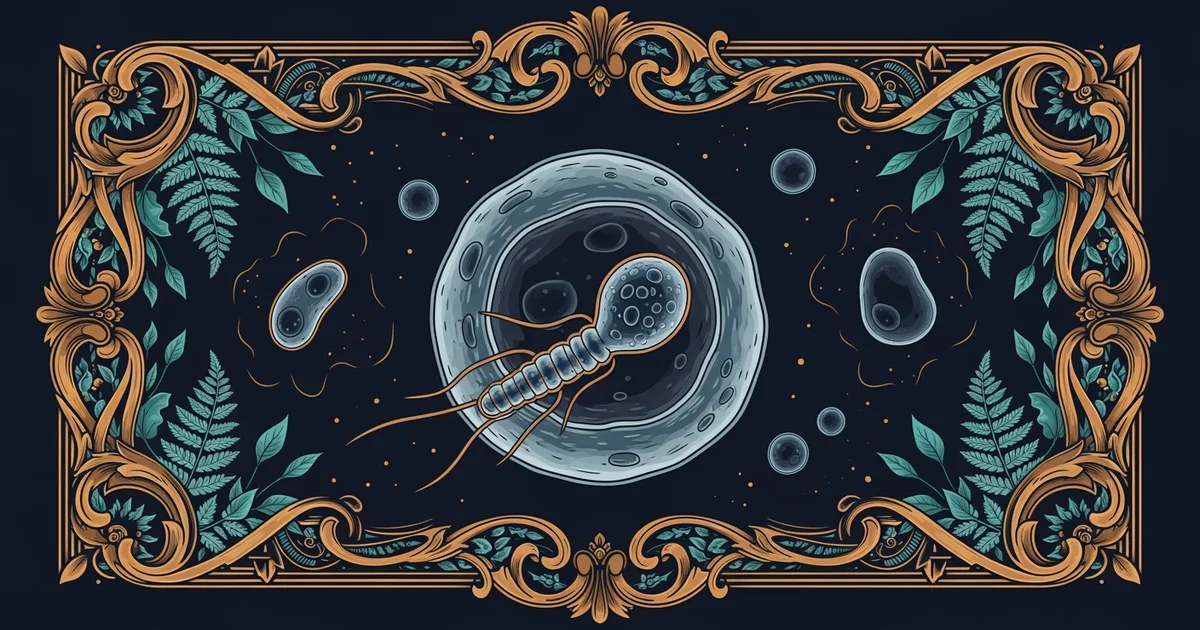
In contrast, Endoparasites choose to invade the interior of the host, settling into organs, tissues, or even the bloodstream. This internal environment is much more stable than the exterior, offering a constant temperature and a steady supply of nutrients without the need for constant movement. However, living inside a host brings unique challenges, such as navigating the host's immune system, which constantly patrols the body to identify and destroy foreign invaders. To survive this internal landscape, these organisms often develop complex chemical disguises that trick the host into ignoring their presence. They act like secret agents hiding in plain sight, ensuring they can siphon energy from the host without triggering a defensive alarm. The choice between an external or internal home dictates every aspect of how these creatures feed, reproduce, and eventually spread to new hosts.
Key term: Host — an organism that provides nourishment and shelter to another organism, often at a cost to its own health.
Understanding where a parasite lives helps researchers predict how it spreads and how to treat the resulting infections effectively. The following table highlights the key differences between these two primary environmental strategies for survival:
| Feature | Ectoparasite | Endoparasite |
|---|---|---|
| Location | Outer surface of host | Deep inside body tissues |
| Risk Level | High exposure to environment | High risk of immune attack |
| Attachment | Claws or specialized suckers | Complex chemical camouflage |
| Nutrient Access | Piercing skin for fluids | Absorbing nutrients from blood |
The Dynamics of Host Interaction
Moving beyond simple location, we must consider how these parasites interact with their chosen environments to maintain their own life cycles. Ectoparasites often function like mobile toll booths, collecting small payments of blood or skin cells while the host moves through its day. They are highly visible and often move between different hosts to find the best possible meal, which makes them effective carriers for other diseases. Endoparasites, however, often commit to a single host for long periods, focusing their energy on reproduction rather than movement. They are the ultimate specialists, evolving to exploit specific tissues like the liver, the gut, or even the brain, depending on their unique biological needs. This specialization allows them to become incredibly efficient at harvesting energy, yet it makes them highly vulnerable if their specific host species becomes scarce or develops a new way to resist them.
Whether a parasite lives on the surface or deep within the body, the primary goal remains the same: to extract enough energy to reproduce without killing the host too quickly. If a parasite destroys its home too fast, it loses its source of food and faces the risk of extinction. This delicate balancing act forces parasites to evolve in tandem with their hosts, creating a constant struggle for survival that shapes both species over time. By looking at these host environments, we gain a clearer picture of how invisible life forms influence the survival of every creature on our planet. This ongoing tug-of-war ensures that hosts keep evolving better defenses, while parasites keep finding new ways to bypass those very barriers.
Parasites categorize their existence by occupying either the external surface or the internal tissues of a host to maximize their survival and reproductive success.
The next step in our journey involves exploring how protozoan parasites navigate these complex environments during their unique life cycles.