
Molecular Invasion Strategies
Imagine a thief trying to enter a vault that constantly changes its own locks. Parasites face this exact challenge when they attempt to invade a host cell to survive. They cannot simply barge through the front door because the host immune system guards every entry point. Instead, these organisms use sophisticated molecular tools to trick the cell into opening its gates. This process relies on precise timing and specific chemical signals that override normal cellular functions. By hijacking these pathways, the parasite secures a safe internal environment for its own growth.
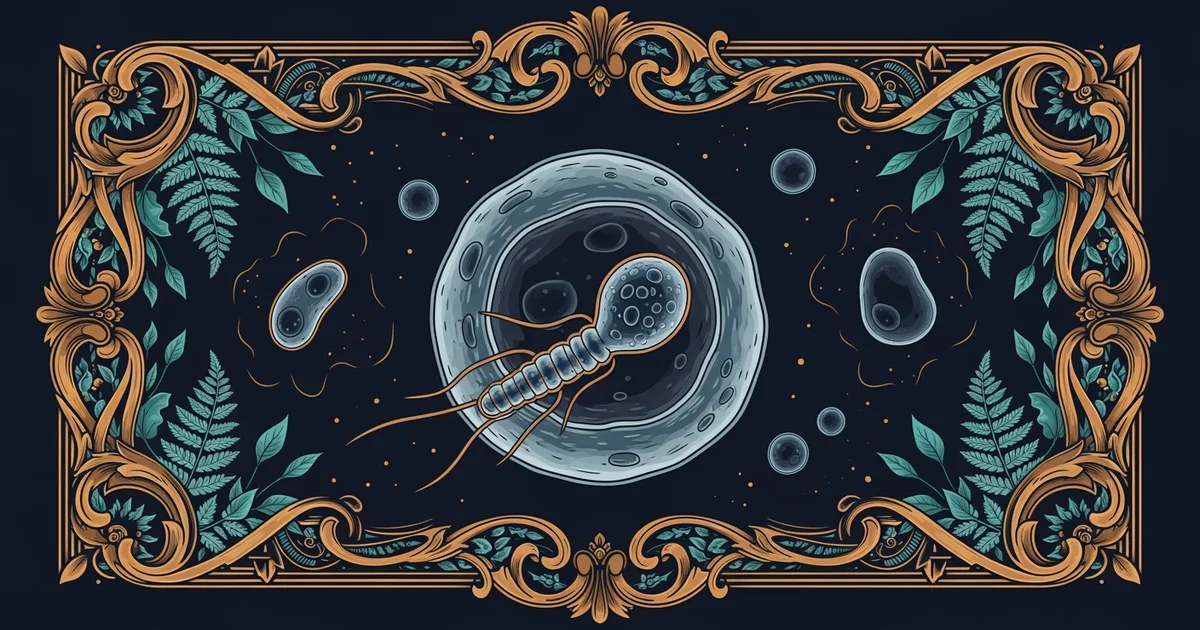
Molecular Keys and Cellular Locks
To gain entry, many parasites use molecular mimicry to disguise themselves as harmless cellular cargo. They coat their outer surfaces in proteins that look like nutrients the cell usually requests. When the cell detects these signals, it activates its natural intake systems to bring the parasite inside. This is like a burglar wearing a delivery uniform to gain entry to a secure building. The cell essentially performs the hard work of pulling the invader through its own protective membrane. Once inside, the parasite quickly sheds its disguise to avoid detection by the host sensors.
Some parasites prefer a more forceful approach by using specialized proteins to punch holes in the membrane. These proteins act like tiny drills that create temporary pores in the tough outer layer of the cell. The parasite then squeezes through these openings before the cell can patch the damage. This method requires intense energy, so the parasite must have enough fuel stored before the attack begins. If the drill proteins fail to deploy correctly, the parasite remains stranded outside and vulnerable to immune cells.
Key term: Molecular mimicry — the strategy where an organism displays surface proteins that resemble host molecules to bypass biological defenses.
Navigating the Internal Environment
After crossing the threshold, the invader must navigate the complex interior of the host cell. The cytoplasm is crowded with organelles that can trap or destroy foreign objects if they wander too far. Parasites often secrete enzymes that break down these internal barriers to clear a path toward their destination. They must move quickly because the host cell will eventually notice the breach and trigger a self-destruct mechanism. This delicate balance of speed and stealth determines whether the infection succeeds or fails during the initial stages.
| Strategy | Mechanism | Primary Advantage | Risk Level |
|---|---|---|---|
| Mimicry | Protein disguise | Avoids alarm | High |
| Pores | Membrane drilling | Rapid entry | Moderate |
| Fusion | Membrane merging | Total camouflage | Low |
These strategies reflect the diverse ways parasites manipulate host biology to ensure their own reproduction. Some species even use a combination of these tactics to increase their chances of successful invasion. They might use mimicry to get close and then use pore-forming proteins to finish the job. This flexibility allows them to adapt when the host environment changes unexpectedly due to stress or disease. Every successful entry represents a complex victory of biological engineering over the host defense systems. Understanding these mechanisms helps us see how parasites survive in hostile environments every single day.
Successful invasion requires the parasite to either trick the host cell into accepting it or physically force a path through the protective membrane.
But what happens once the parasite is inside and needs to find food to continue its life cycle?
Want this with sources you can check?
Premium Learning Paths for Biological Sciences are researched against open-access libraries — PubMed, arXiv, government databases, and more — with their distinctive claims cited to real sources and independently checked.
See what Premium includes