
Host Immune Responses
A sudden fever often signals that your internal security system has detected an unwanted intruder. Your body acts like a fortified city that constantly monitors its borders for any suspicious activity. When a parasite breaches your outer walls, the immune system launches a complex defense strategy to maintain your health. Understanding how these defenses function helps us see why some invaders thrive while others are quickly defeated. This constant battle determines your survival in a world filled with microscopic threats that seek to exploit your biological resources.
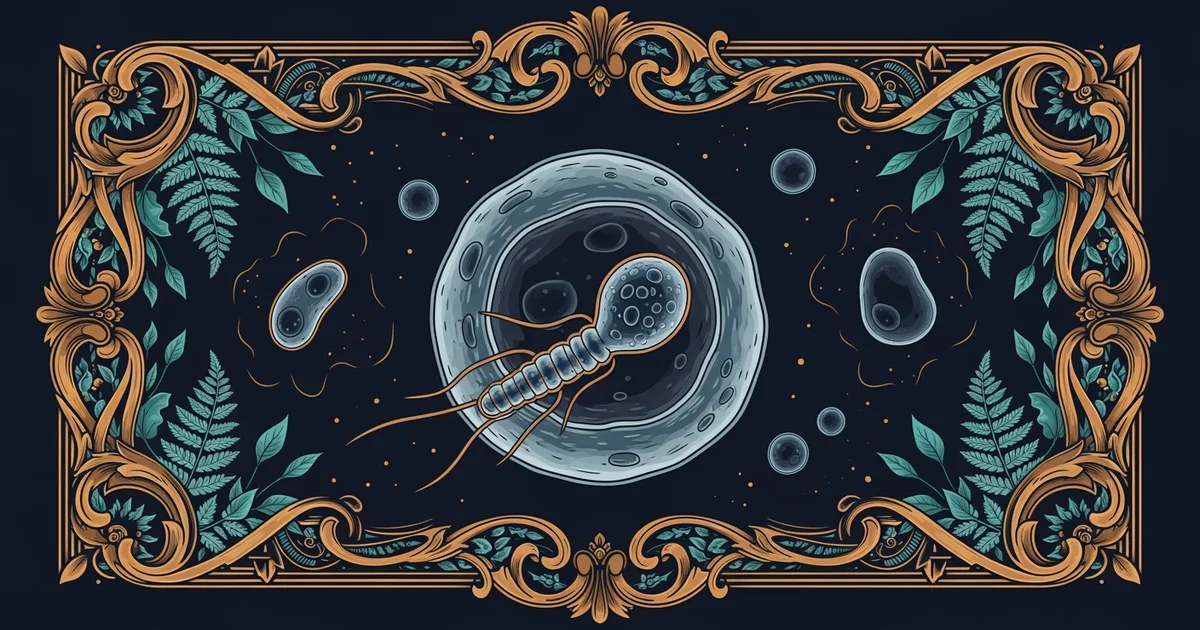
The Architecture of Internal Defense
The immune system operates through layers of protection that function like a national security grid. Your first line of defense is the innate immune system, which provides a rapid, non-specific response to any threat. It uses physical barriers like skin and chemical signals to block invaders from entering your vital tissues. If a parasite bypasses these guards, the system triggers local inflammation to contain the danger. This response is fast and aggressive, acting much like a neighborhood watch that alerts everyone when a stranger appears on the street. Without this immediate reaction, pathogens would spread throughout your body before you could even notice a problem.
Once the innate system identifies a specific target, the adaptive immune system begins its more precise operation. This secondary layer acts like a specialized task force that creates custom weapons for every unique invader. It remembers the specific features of each parasite, which allows for a faster and stronger reaction if that same threat returns later. Think of this process like an investment portfolio where your body builds up specific assets to handle known market crashes. By diversifying its strategies, your body ensures that it can neutralize complex threats that evade simple, broad-spectrum defenses. This memory-based system is essential for long-term health and protection against recurring infections.
Key term: Antigen — a unique molecular marker on the surface of a parasite that allows the immune system to identify and target it for destruction.
Coordination of Defensive Tactics
Effective defense requires constant communication between different parts of your body to ensure a unified response. Cells use chemical messengers to coordinate their movements and focus their efforts on the site of the invasion. You can visualize this as a logistics network where supply trucks deliver weapons exactly where they are needed most. If one area is overwhelmed, the system shifts resources from other sectors to reinforce the front lines. This internal coordination prevents the immune system from wasting energy while ensuring that critical areas remain protected at all times. Below are the primary mechanisms used to neutralize parasites:
- Phagocytosis involves specialized cells engulfing and digesting invading organisms to clear them from your tissues completely.
- Antibody production creates custom proteins that bind to specific invaders, marking them for destruction by other immune cells.
- Complement activation triggers a cascade of chemical reactions that punch holes in the outer membranes of invading parasites.
Effective immune responses balance speed with accuracy to minimize damage to your own healthy tissues during the fight. If the response is too weak, the parasite will multiply and cause severe illness within your body. If the response is too strong, it may inadvertently harm your own organs while trying to eliminate the threat. Maintaining this delicate balance is a constant challenge for your biology. Your body learns to calibrate its intensity based on the severity of the invasion and the type of parasite involved. This ongoing adaptation is why you rarely suffer from the same infection twice in your lifetime.
The immune system protects the body by combining rapid, general responses with specialized, memory-based tactics to neutralize diverse biological threats.
The next Station introduces molecular invasion strategies, which determines how parasites bypass these host defenses to survive.