
Antiparasitic Drug Mechanisms
When a doctor prescribes medication to treat a persistent parasitic infection, they are essentially launching a targeted siege against an invisible invader. Much like a city planner disabling a power grid to stop an enemy force, these drugs exploit specific weaknesses in the parasite’s survival machinery. This precision is vital because the drug must damage the invader while leaving the host human cells completely unharmed. Understanding these mechanisms allows scientists to develop better treatments that stop infections before they cause lasting damage to the body.
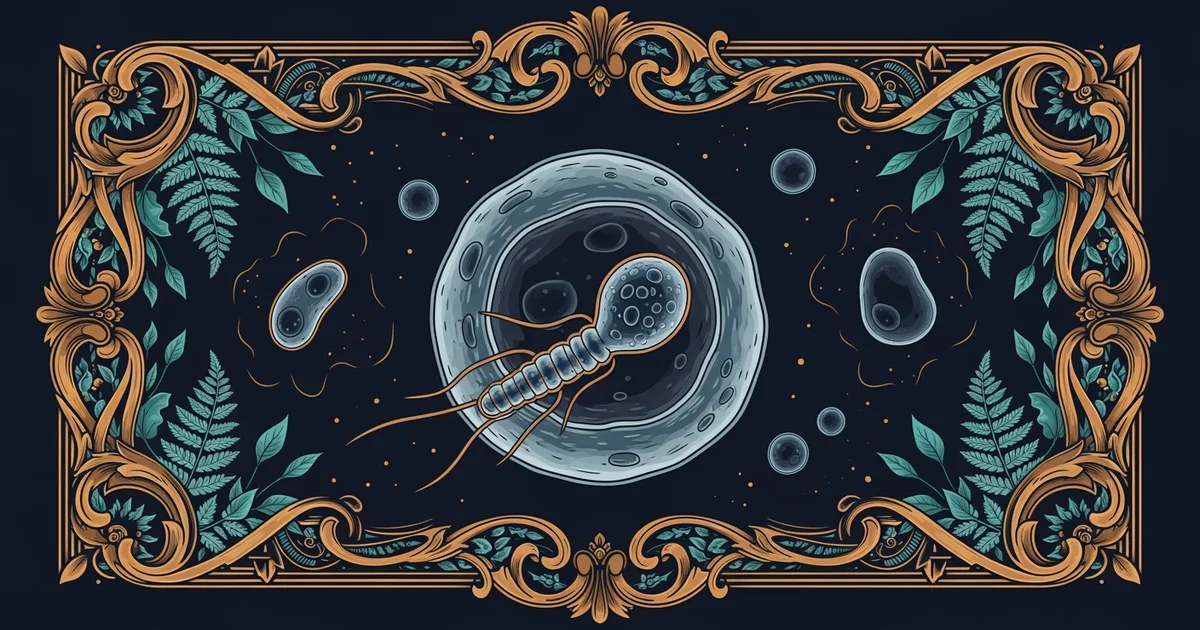
Mechanisms of Drug Action
Most antiparasitic drugs function by disrupting metabolic pathways that are unique to the parasite. Because parasites often lack the ability to synthesize essential nutrients, they must harvest them from the host environment. Medications can block these uptake pathways, effectively starving the parasite while the host remains unaffected. This process is similar to a business that relies on a single supplier for all its raw materials. If a competitor intercepts the supply chain, the business cannot continue its operations and eventually shuts down. By targeting these specific vulnerabilities, drugs force the parasite to cease its growth and reproductive cycles.
Key term: Selective toxicity — the ability of a drug to damage a parasite without causing harm to the cells of the host.
Another major strategy involves the interference with cellular replication and energy production. Many parasites require rapid cell division to maintain an infection, which relies on complex enzymes to copy their genetic material. Antiparasitic agents often act as molecular decoys that occupy the active sites of these enzymes. When the parasite tries to replicate, it binds to the drug instead of its own genetic building blocks. This leads to a halt in the parasite's growth, preventing it from spreading further through the host's tissues. These drugs essentially jam the machinery of the parasite, ensuring that its internal processes grind to a complete and permanent stop.
Targeted Biological Disruptions
Beyond simply stopping replication, some treatments target the structural integrity of the parasite itself. Parasites often possess unique membranes or surface proteins that are essential for their protection and movement within the host. By binding to these structures, certain medications cause the parasite to lose its structural stability. This makes the organism vulnerable to the host's immune system, which can then easily identify and eliminate the weakened invader. The following table outlines how different classes of drugs interfere with specific parasite functions:
| Drug Class | Primary Target | Resulting Effect |
|---|---|---|
| Folate Antagonists | DNA Synthesis | Stops cell division |
| Membrane Disruptors | Cell Walls | Causes rapid lysis |
| Energy Inhibitors | Mitochondria | Depletes cellular ATP |
These strategies ensure that the parasite cannot adapt to the changing chemical environment. Scientists must carefully select these targets to ensure the drug remains effective even as the parasite evolves over time. The development of these treatments requires a deep understanding of how parasites manage their limited energy budgets. When a drug successfully disrupts these budgets, the parasite quickly loses the ability to maintain its basic biological functions.
Effective therapy often requires a combination of different drugs to cover various stages of the parasite's life cycle. This multi-pronged approach prevents the parasite from developing resistance to a single medication. By attacking multiple pathways simultaneously, medical professionals ensure that the infection is cleared thoroughly and efficiently. This is a significant improvement over older methods that often left dormant parasites behind to cause future health issues. Modern medicine continues to refine these techniques to minimize side effects while maximizing the impact on the targeted pathogens.
Antiparasitic drugs function by identifying and disabling unique biological pathways that parasites require for growth, replication, and structural survival within a human host.
But this model faces constant challenges as parasites evolve new ways to bypass these chemical blockades in changing environments.