
Decision Making Logic
When a chess player stares at a board during a final tournament match, their mind performs a silent, high-speed calculation. They evaluate every possible move, weighing the risks against potential rewards before touching a single piece. This moment is not just a game strategy, but a perfect display of the brain processing complex information. You are seeing the physical machinery of your mind work to solve a puzzle. This process relies on specific neural pathways that filter options to find the best path forward.
The Role of the Prefrontal Cortex
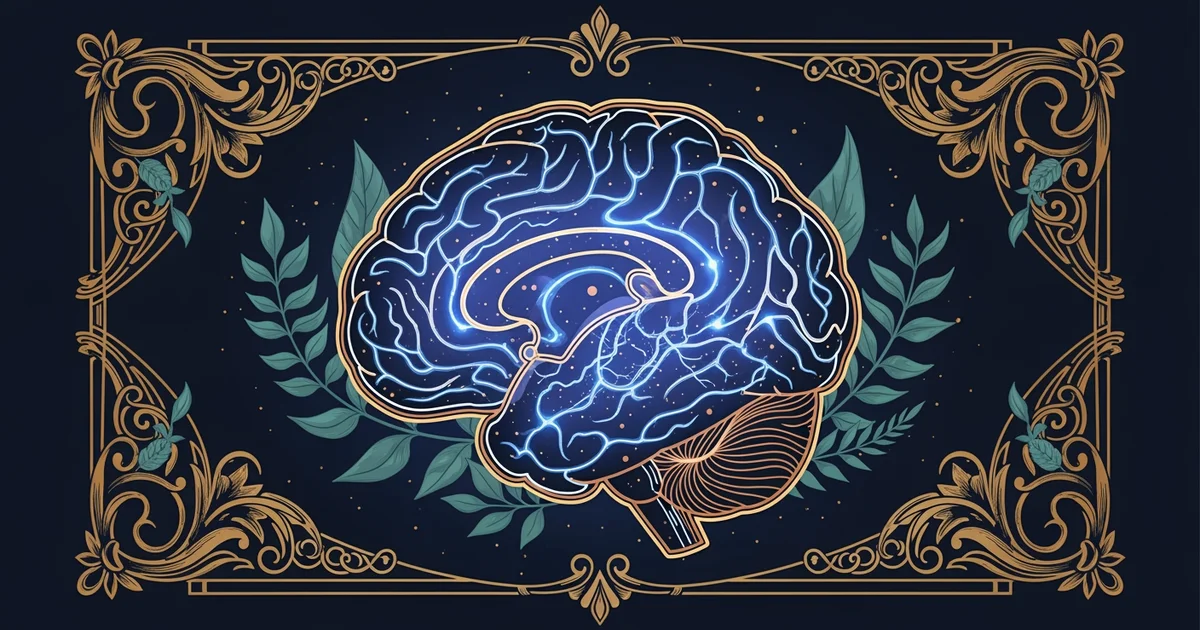
At the center of this complex decision process sits the prefrontal cortex, a region located behind your forehead. This area serves as the command center for your executive functions, including planning and complex reasoning. When you face a choice, this part of the brain acts like a traffic controller, directing neural signals to different areas. It pulls data from your memory, assesses the emotional weight of each option, and predicts the likely outcome. Without this region, your brain would struggle to prioritize tasks or resist immediate impulses for long-term gains.
Key term: Prefrontal cortex — the brain region responsible for executive functions, including decision-making, planning, and moderating social behavior.
Think of the prefrontal cortex as a high-end investment manager handling a diverse portfolio of assets. Just as a manager must balance risky growth stocks with stable bonds, your brain balances immediate desires against future needs. It evaluates the potential costs of an action against the expected benefits. If the potential gain is high, the brain signals the motor system to initiate the action. If the risk is too great, it suppresses the urge to act. This constant balancing act defines how you navigate your daily life.
Evaluating Options Before Taking Action
To make a decision, your brain must compare several different possibilities simultaneously. It does not look at one option at a time but rather weighs them against each other in a mental field. This process involves a series of steps that the brain follows to ensure the chosen path is logical. The following steps outline how the brain manages these competing choices during a standard day:
- Input gathering occurs as the brain collects sensory data from the environment to identify the available choices.
- Option weighting follows, where the brain assigns a value to each choice based on past experiences and goals.
- Conflict resolution happens when the brain compares these weighted values to determine which option offers the highest utility.
- Action execution triggers the physical response that brings your chosen decision into the reality of your life.
This sequence ensures that you do not act on every passing impulse, which would be chaotic and unproductive. By filtering information through these four stages, the brain maintains a sense of order and purpose. This is the biological foundation of your conscious choice, as discussed in Station 1 of this path. It explains how physical matter transforms simple sensory inputs into complex, goal-oriented human behaviors. Your brain is a master of this logic, constantly refining its processing to keep you aligned with your environment.
| Decision Phase | Brain Mechanism | Primary Function |
|---|---|---|
| Data Input | Sensory Cortex | Gathering raw facts |
| Value Weighting | Prefrontal Cortex | Assigning importance |
| Conflict Check | Anterior Cingulate | Resolving trade-offs |
| Action Output | Motor Cortex | Executing the plan |
This table shows how different regions work together to complete a single decision. The prefrontal cortex acts as the primary organizer, but it relies on these other areas to function well. If any part of this system fails, your ability to make sound choices diminishes. Understanding this structure helps you see why some decisions feel hard and others feel automatic. You are essentially observing your own biology at work whenever you make a choice.
The prefrontal cortex functions as the brain's executive control center by weighing competing options against future goals to produce deliberate actions.
But this model of logical decision making often fails when intense emotional stress overrides the prefrontal cortex's ability to regulate impulses.