
Sensory Input Processing
When you glance at a bright red apple on your desk, your brain instantly creates a vivid image of that fruit. This process happens so quickly that you rarely notice the complex journey your sensory data takes to become a conscious thought.
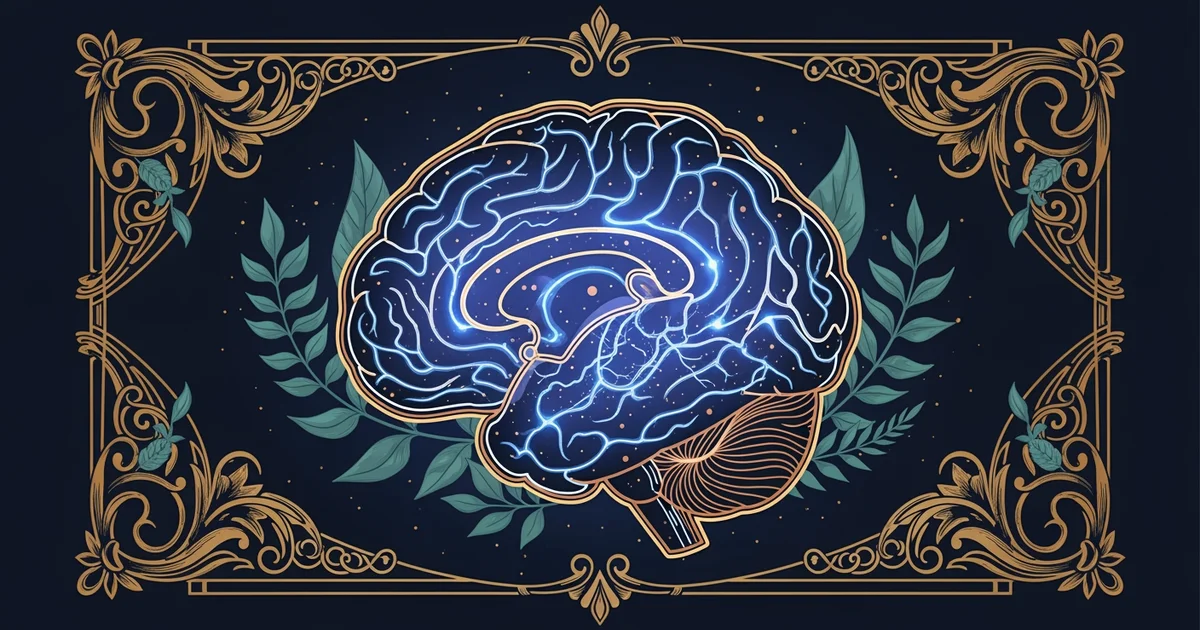
The Pathway of Sensory Signals
Every sensory experience begins when specialized cells called sensory receptors detect changes in your immediate environment. These receptors act like tiny translators that turn physical energy into electrical signals your brain can understand. For vision, these receptors sit in the back of your eye and catch light particles. Once they catch this light, they convert it into an electrical message that travels along a long nerve path toward the brain. This initial step is vital because the brain does not speak the language of light or sound directly. It only understands electrical pulses that move through your nervous system at high speeds. Without these receptors, your brain would be trapped in complete darkness and silence.
Think of your sensory system like a massive corporate office building that receives thousands of incoming mail pieces every single hour. The sensory receptors are like the mailroom staff who sort through every envelope to check for important information. If the mailroom staff stopped working, the office would never know that a package arrived or that a client sent a request. In this analogy, the brain is the executive team that makes final decisions based on the data provided. The mailroom staff must accurately label and sort the incoming data so the executives can act on the information correctly. If the sorting process fails, the executives receive garbled messages that make no sense to their daily operations.
Processing Signals in the Cortex
After the signals leave your eyes, they travel along the optic nerve to the back of your brain where visual processing begins. This specific area is known as the primary visual cortex, and it serves as the main hub for interpreting raw visual data. The cortex does not just see a picture; it breaks the image down into small parts like edges, colors, and motion. You can think of this as a digital photo editor that separates an image into different layers to make adjustments. By separating these features, the brain builds a complete and stable world for you to navigate safely. This division of labor allows your brain to process complex scenes without overloading its limited processing capacity.
Key term: Sensory receptors — specialized cells that detect physical stimuli and convert them into electrical signals for the brain.
To understand how the brain organizes this incoming data, consider how it categorizes different types of sensory input before sending them to the final destination. The following table shows how various senses move through the system to reach the cortex:
| Sense | Receptor Type | Primary Destination | Purpose |
|---|---|---|---|
| Vision | Photoreceptors | Occipital Lobe | Image creation |
| Sound | Hair Cells | Temporal Lobe | Auditory mapping |
| Touch | Mechanoreceptors | Parietal Lobe | Spatial awareness |
Each sensory pathway follows a strict route to ensure that the brain receives the right message at the right time. The brain uses these dedicated channels to prevent sensory confusion during your busy daily activities. When the signals finally reach the cortex, they are integrated with memories and emotions to form your reality. This integration is what makes your experience unique and meaningful. It explains why a simple red apple might trigger a specific memory of a snack you enjoyed during your childhood. Your brain is constantly updating these signals to keep your perception of the world accurate and reliable. As you move through your day, your brain works tirelessly to ensure that every sight, sound, and touch is processed into a coherent story.
The brain transforms raw physical energy into meaningful human experience by filtering and organizing electrical signals through specialized cortical regions.
The next Station introduces motor control systems, which determine how your brain uses this processed sensory information to generate physical movement.