
The Limbic System
Imagine you are walking through a dark forest and a loud branch snaps behind you. Your heart races instantly before your conscious brain even realizes what caused that sudden, sharp noise. This immediate reaction happens because your brain prioritizes survival over slow, logical thought processes during moments of potential danger. The physical structures responsible for these rapid emotional responses form a complex network deep inside your skull. This system manages how you feel and how you respond to the world around you every single day.
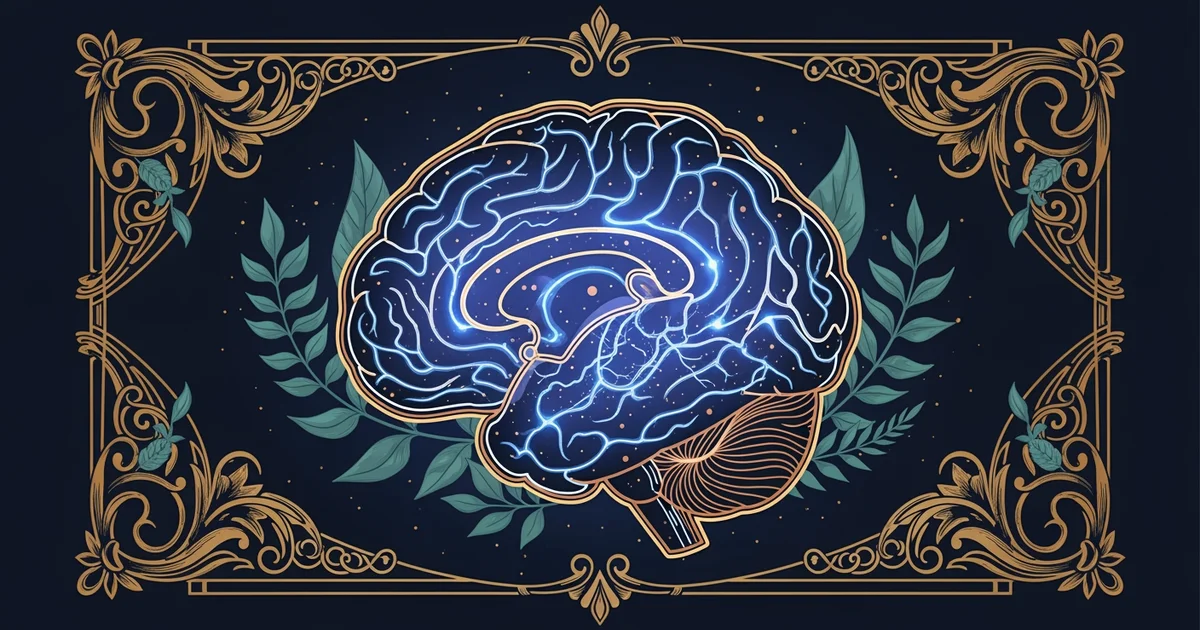
The Anatomy of Emotion
The limbic system acts like a central control room for your basic human emotions and memories. It sits beneath the outer layer of your brain and connects to many other regions to coordinate your internal state. Think of this system as an internal security guard that constantly scans your environment for threats or rewards. When the guard detects something important, it triggers a cascade of signals that change your physical feelings and your focus. Without this constant monitoring, you would struggle to form lasting memories or react appropriately to the people you meet.
Key term: Limbic system — a set of brain structures that manage emotional responses and memory formation to help you survive.
One vital part of this network is the amygdala, a small structure shaped like a tiny almond. The amygdala functions as an alarm system that alerts you to fear or potential danger in your surroundings. When you see something scary, the amygdala fires electrical signals to other brain areas to prepare your body for action. It operates much like a home security alarm that sounds the siren the moment it detects a broken window. This rapid response allows you to jump out of the way of a car before you even think about the danger.
Processing Emotional Signals
Beyond just fear, this system helps you process social cues and emotional rewards that guide your daily behavior. When you interact with friends, your brain continuously evaluates their expressions to determine if they feel safe or angry. This evaluation happens deep within the limbic structures, allowing you to adjust your behavior without needing to analyze every detail consciously. The system creates a bridge between your raw physical sensations and the complex reality of your conscious human experience every moment.
To understand how these parts work together, consider these three core components and their primary roles:
- The amygdala processes immediate emotional threats by sending rapid signals to the body to trigger a quick fight or flight response.
- The hippocampus works alongside the amygdala to store memories of emotional events so you can recognize similar dangers in the future.
- The hypothalamus acts as a bridge by turning those emotional signals into physical changes like increased heart rate or sweating during stress.
These structures do not work in isolation but instead form a loop that constantly updates your brain on your status. If you experience a frightening event, the amygdala registers the fear while the hippocampus records the context of the location. Later, if you return to that same place, these structures work together to remind you of the past event. This process ensures that you learn from your environment rather than repeating mistakes that could lead to physical harm or social rejection.
| Structure | Primary Function | Emotional Role |
|---|---|---|
| Amygdala | Threat Detection | Fear and Anger |
| Hippocampus | Memory Storage | Contextual Recall |
| Hypothalamus | Body Regulation | Stress Response |
By comparing these areas, we see how the brain balances the need for quick reaction with the need for long-term memory. The amygdala provides the initial spark of emotion, while the hippocampus provides the story that explains why you feel that way. This partnership is essential for navigating a world that changes rapidly and requires constant adaptation to survive and thrive. Your conscious experience is essentially the result of this ongoing dialogue between your emotional alarm system and your memory banks.
The limbic system functions as a biological security network that converts raw environmental data into emotional reactions and memories to guide your survival.
The next Station introduces sensory input processing, which determines how the brain receives and interprets the data that triggers these limbic responses.